
Modular Building Solutions for Farm and Agricultural Operations
Deploy farm worker accommodation, offices, and operational buildings faster with modular construction. Scalable, durable, and designed for efficient agricultural operations in rural and remote environments.
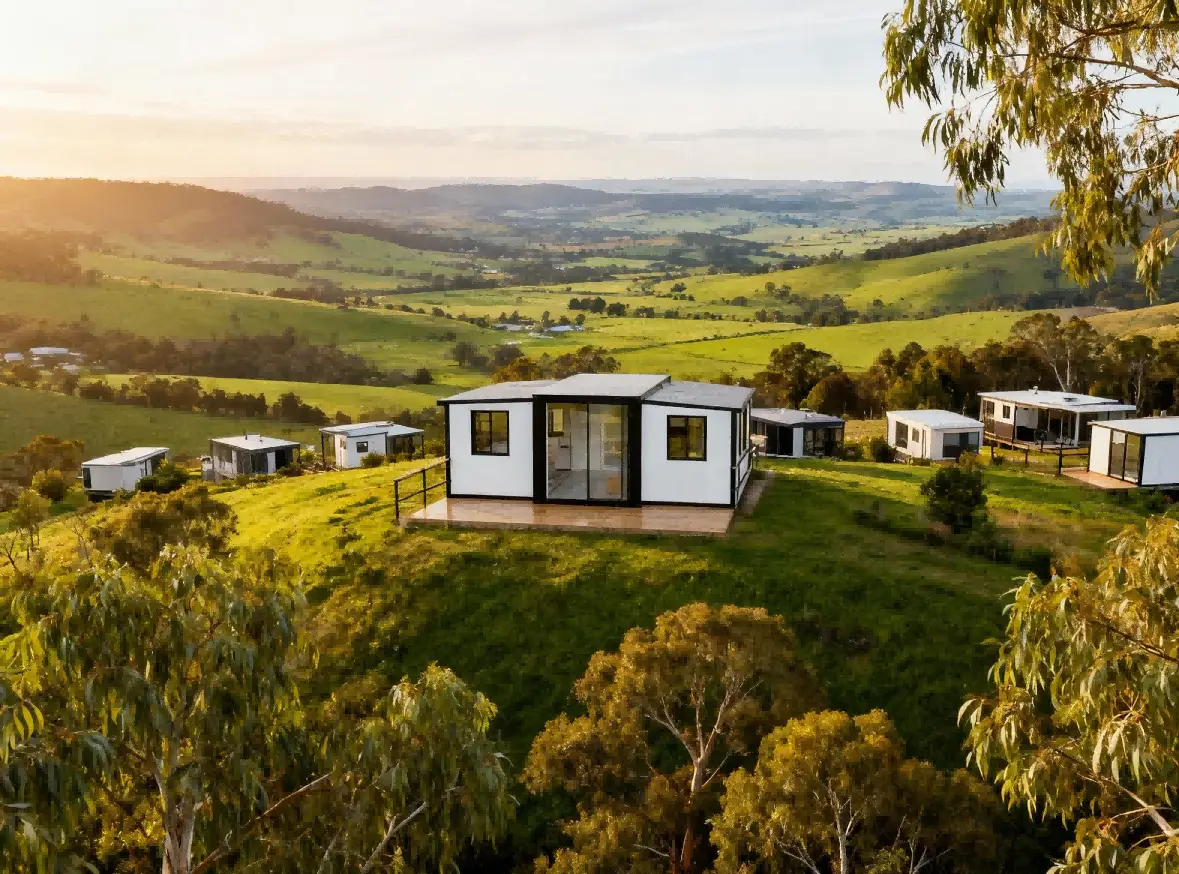
Understanding Farm and Agricultural Infrastructure Needs
Agricultural operations are often located in rural or remote areas where traditional construction can be expensive, slow, and logistically complex. Farms require reliable buildings to support essential daily functions, including worker accommodation, farm offices, equipment storage, and operational facilities. These structures must be durable, easy to deploy, and capable of performing consistently in outdoor agricultural environments exposed to changing weather and environmental conditions.
Unlike conventional buildings that require extensive on-site construction and long project timelines, modular buildings can be manufactured off-site and delivered ready for rapid installation. This approach allows farm owners and agricultural operators to deploy critical infrastructure quickly, improving operational efficiency while minimizing disruption to ongoing farming activities. Modular systems provide a practical and scalable solution for supporting workforce accommodation and farm operations in locations where traditional construction may not be efficient or feasible.
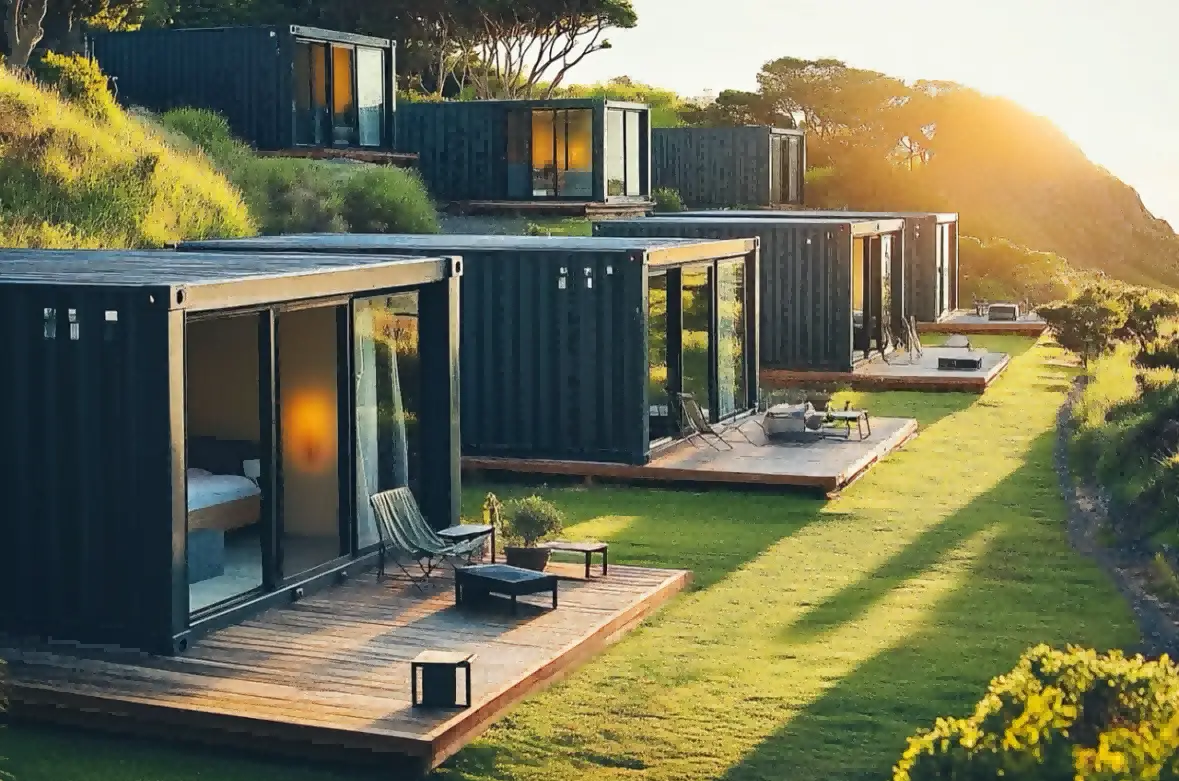
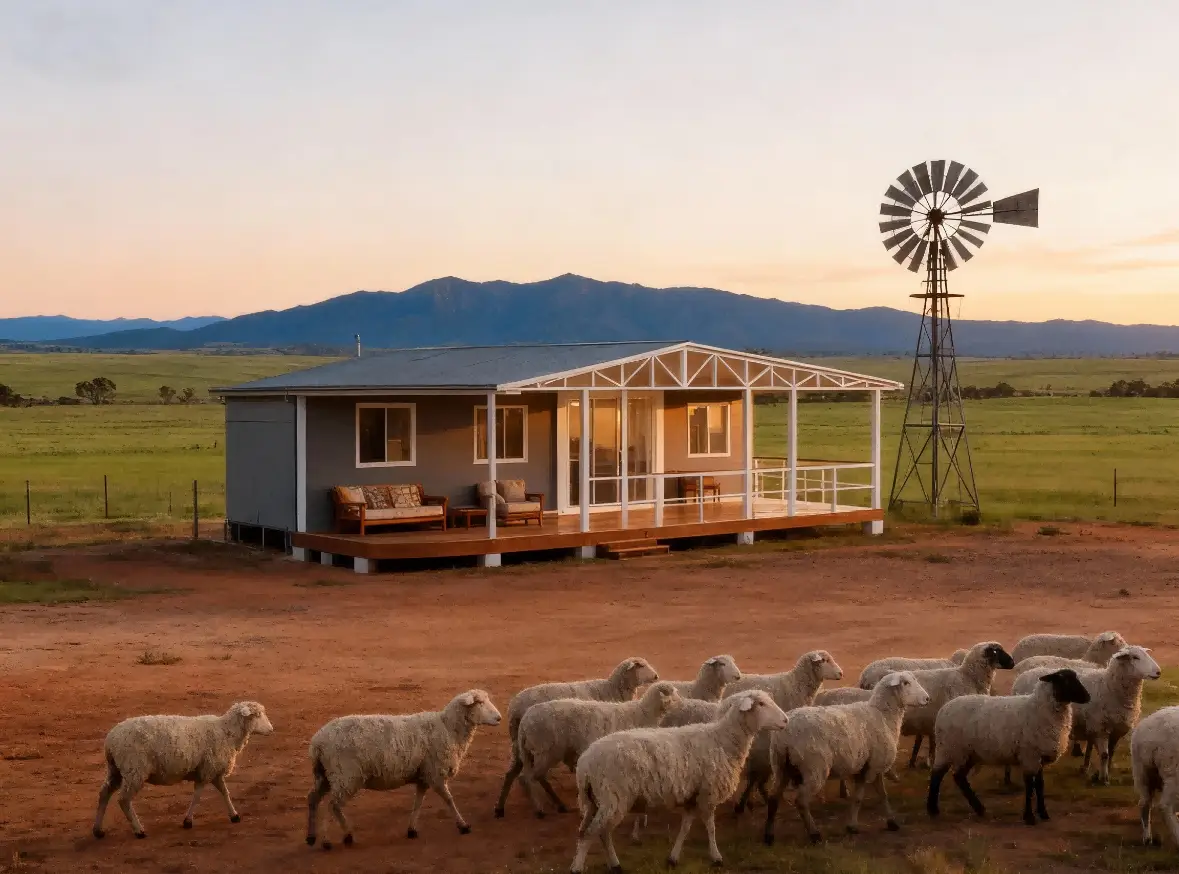
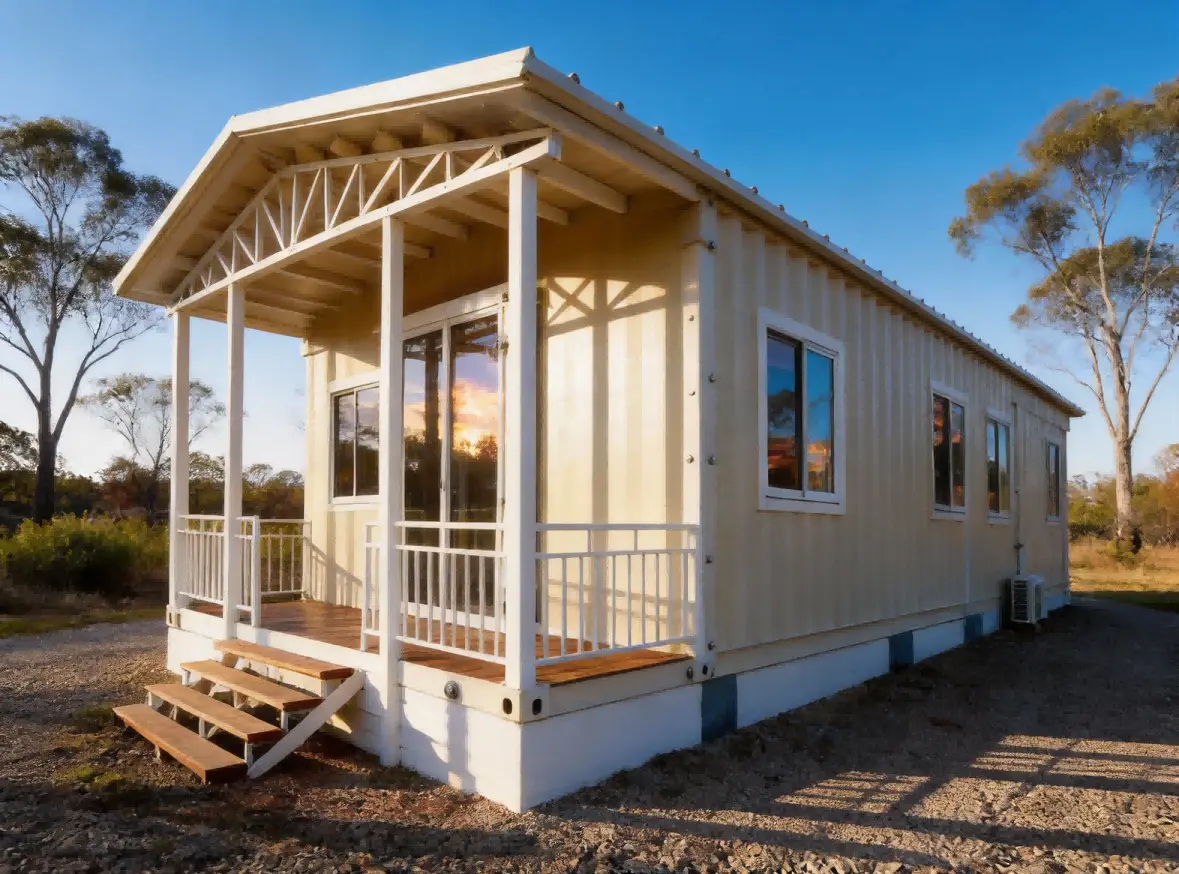
Modular Systems Used Across Agricultural Operations
Agricultural operations require a range of buildings to support workforce accommodation, farm management, and operational infrastructure. These facilities must be reliable, easy to deploy, and adaptable to different farm sizes and environmental conditions. Modular construction allows agricultural operators to install specific building types based on operational priorities, workforce requirements, and site logistics.
Modular systems can be used for both permanent and temporary agricultural infrastructure. Farm owners can deploy essential buildings quickly and expand capacity as operations grow, ensuring infrastructure aligns with workforce demands and seasonal changes without long construction timelines.
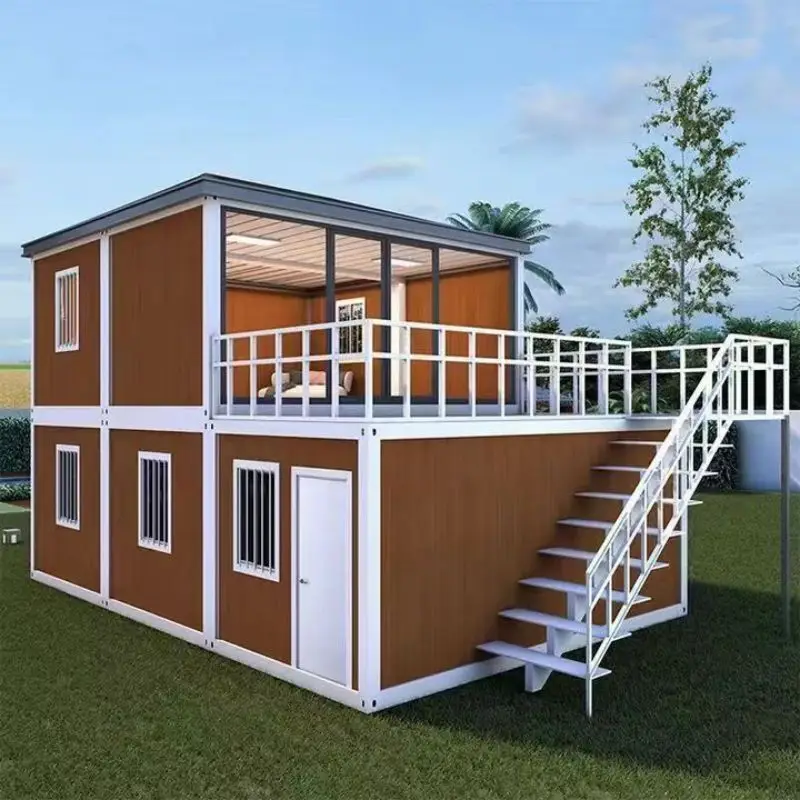
Worker Accommodation Units – Housing for Farm Workforce
Worker accommodation units are essential for farms employing permanent or seasonal staff, particularly in remote or rural locations where residential housing may not be readily available.
Common applications include:
Farm worker housing
Seasonal worker accommodation
Staff living quarters
Remote workforce housing
Modular accommodation units provide comfortable and functional living spaces that can be delivered ready for immediate use. Factory-controlled production ensures consistent quality, while fast on-site installation allows farms to deploy workforce housing quickly. Providing reliable accommodation improves workforce stability and supports efficient farm operations.
Farm Offices and Administrative Buildings – Operational Management Spaces
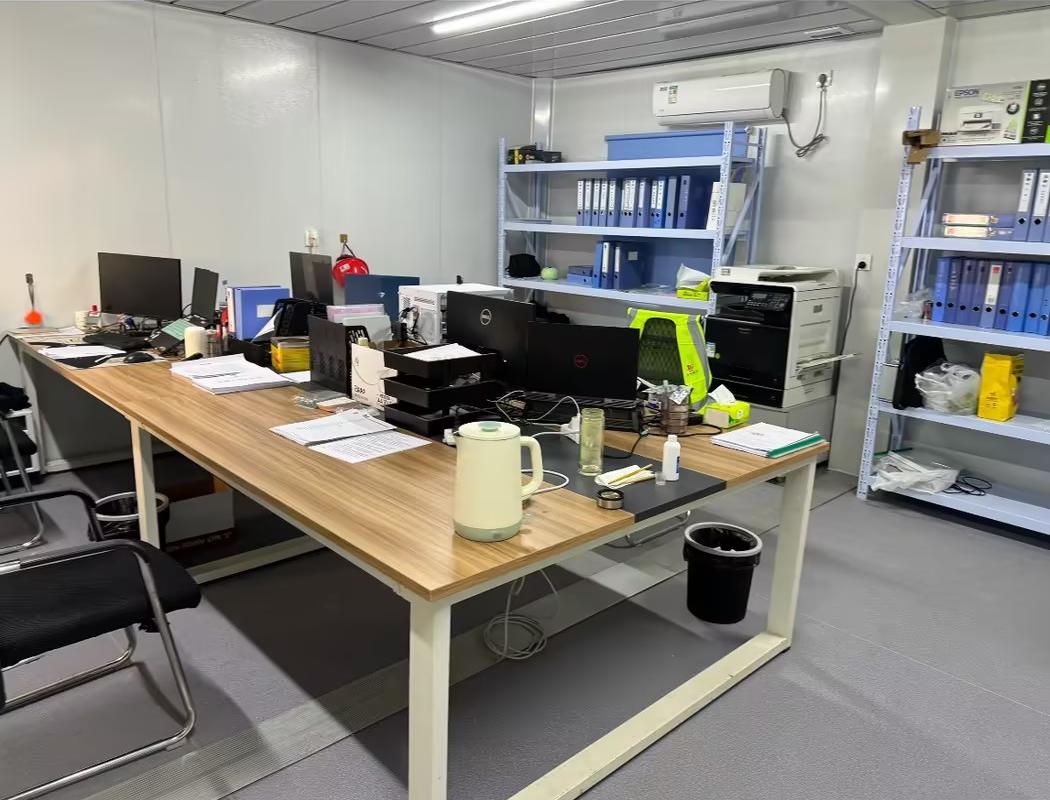
Farm offices serve as operational centers for managing agricultural activities, coordinating staff, and overseeing daily operations.
Common applications include:
Farm management offices
Administrative buildings
Control rooms
Meeting and planning spaces
Modular office buildings provide dedicated management spaces that can be deployed quickly and configured based on operational requirements. These buildings support efficient farm administration while allowing flexible expansion as operational complexity increases.
Flat Pack and Detachable Systems – Support and Utility Infrastructure
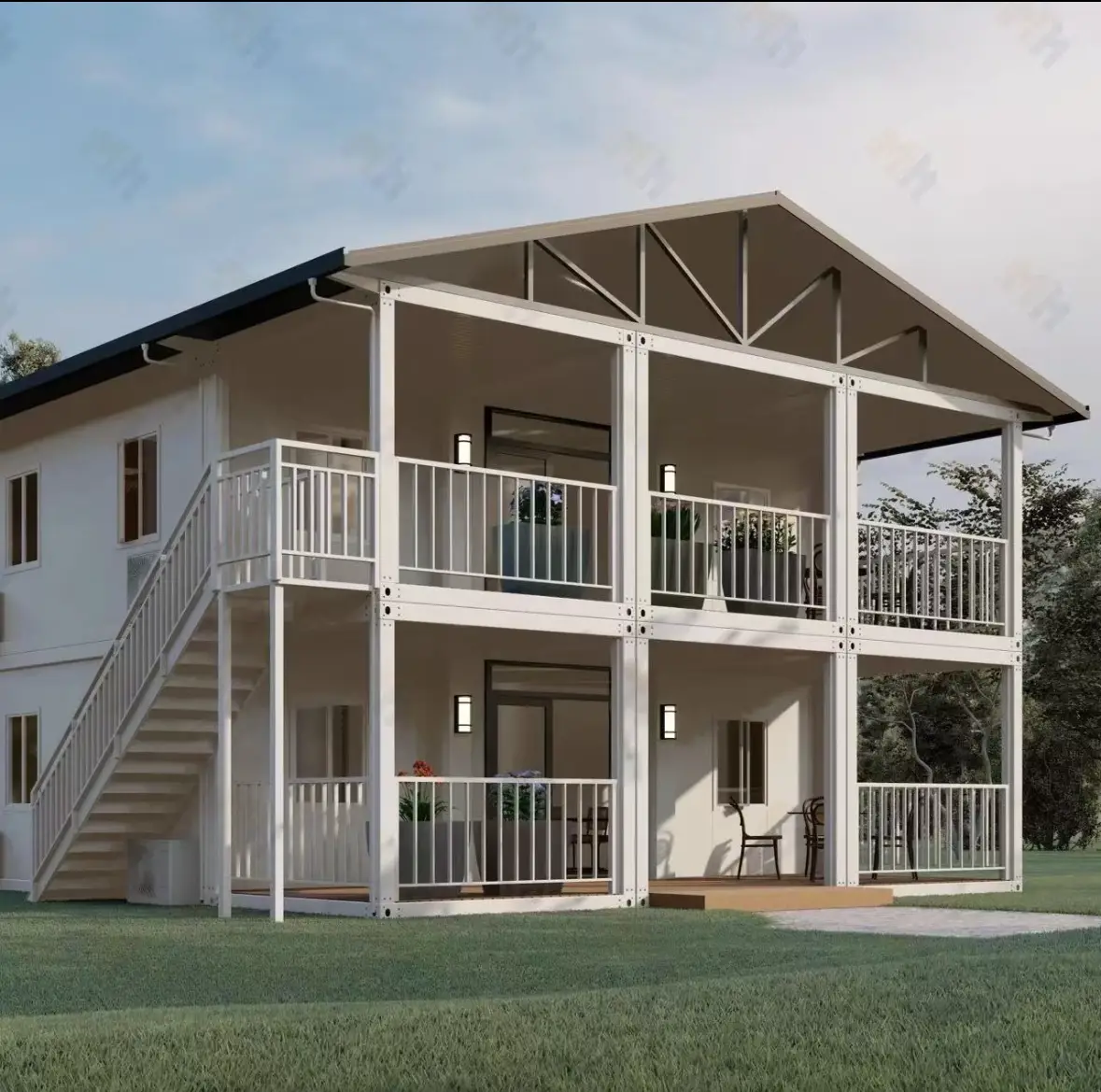
Flat pack and detachable modular systems provide essential support infrastructure for agricultural operations, including storage buildings, equipment rooms, utility spaces, and temporary operational facilities. These buildings can be deployed quickly with minimal site preparation, offering a scalable and cost-efficient solution for farms that require reliable operational infrastructure while maintaining flexibility for future expansion.
Expandable Container Units – Flexible Operational and Accommodation Spaces
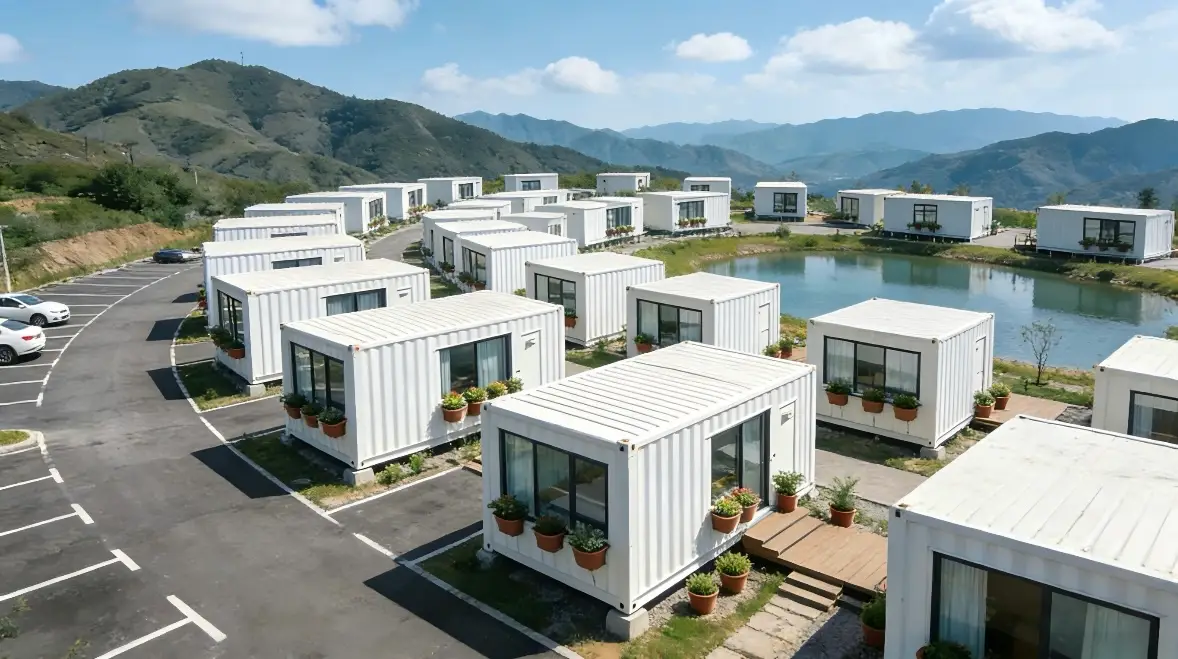
Expandable container units provide increased interior space while maintaining efficient transport and rapid deployment, making them ideal for farms requiring flexible infrastructure.
Common applications include:
Worker accommodation
Farm offices
Break rooms and rest areas
Multi-purpose operational buildings
Minimal on-site installation requirements allow expandable units to be deployed quickly, enabling farms to establish operational and accommodation infrastructure efficiently. Their flexible design makes them suitable for both temporary and long-term agricultural use.
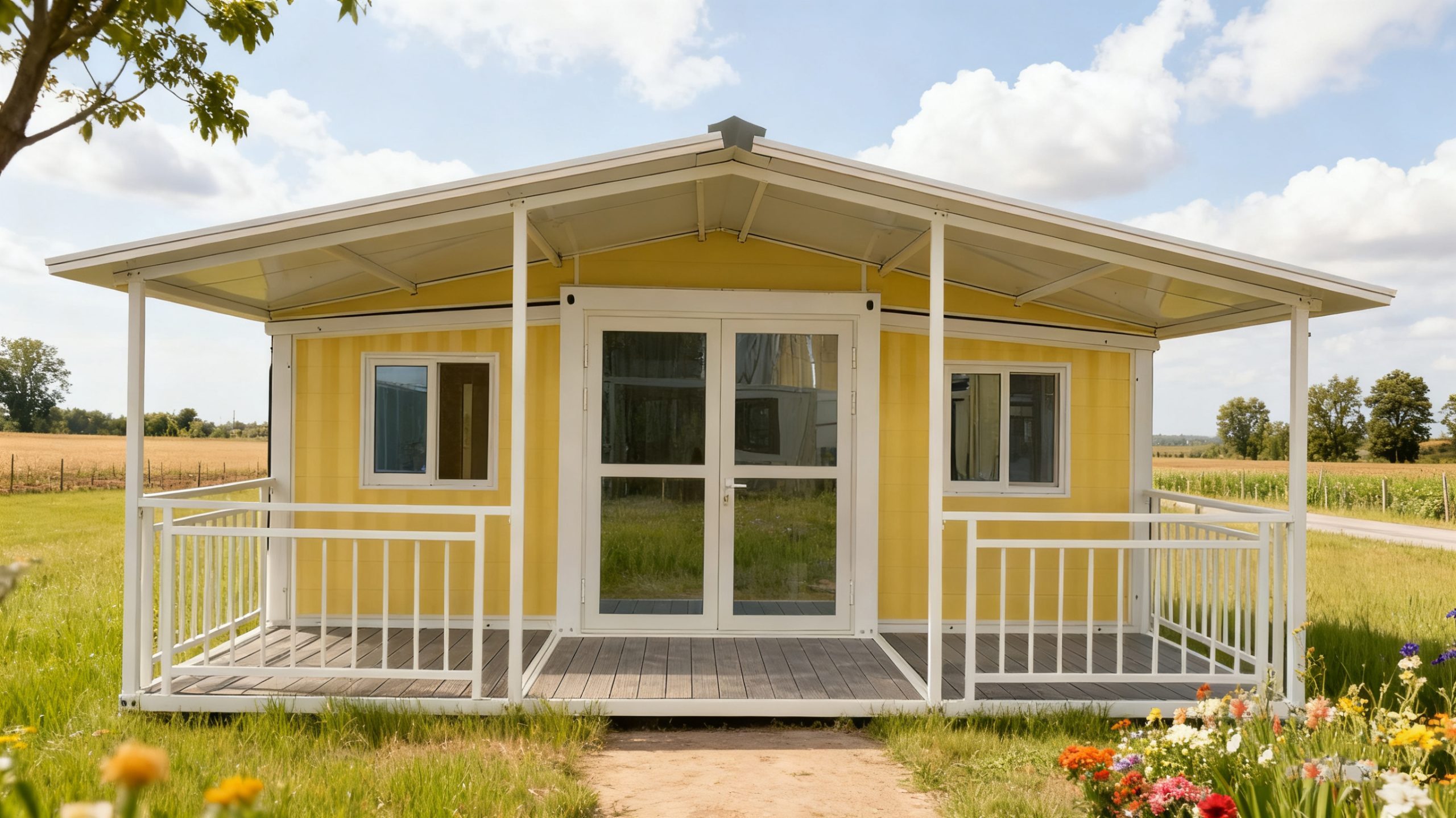
Expand Infrastructure as Farm Operations Grow
Farm operations often evolve over time due to seasonal workforce changes, production expansion, or operational restructuring. Modular container buildings provide the flexibility to expand infrastructure based on actual operational needs.
Additional accommodation units, offices, or support buildings can be installed alongside existing structures without interrupting ongoing farm activities. This phased deployment approach allows farms to scale infrastructure gradually while maintaining operational continuity.
Expandable container houses, flat pack units, and detachable systems allow farm owners to optimize infrastructure investment while preserving the ability to expand efficiently as operational requirements grow.
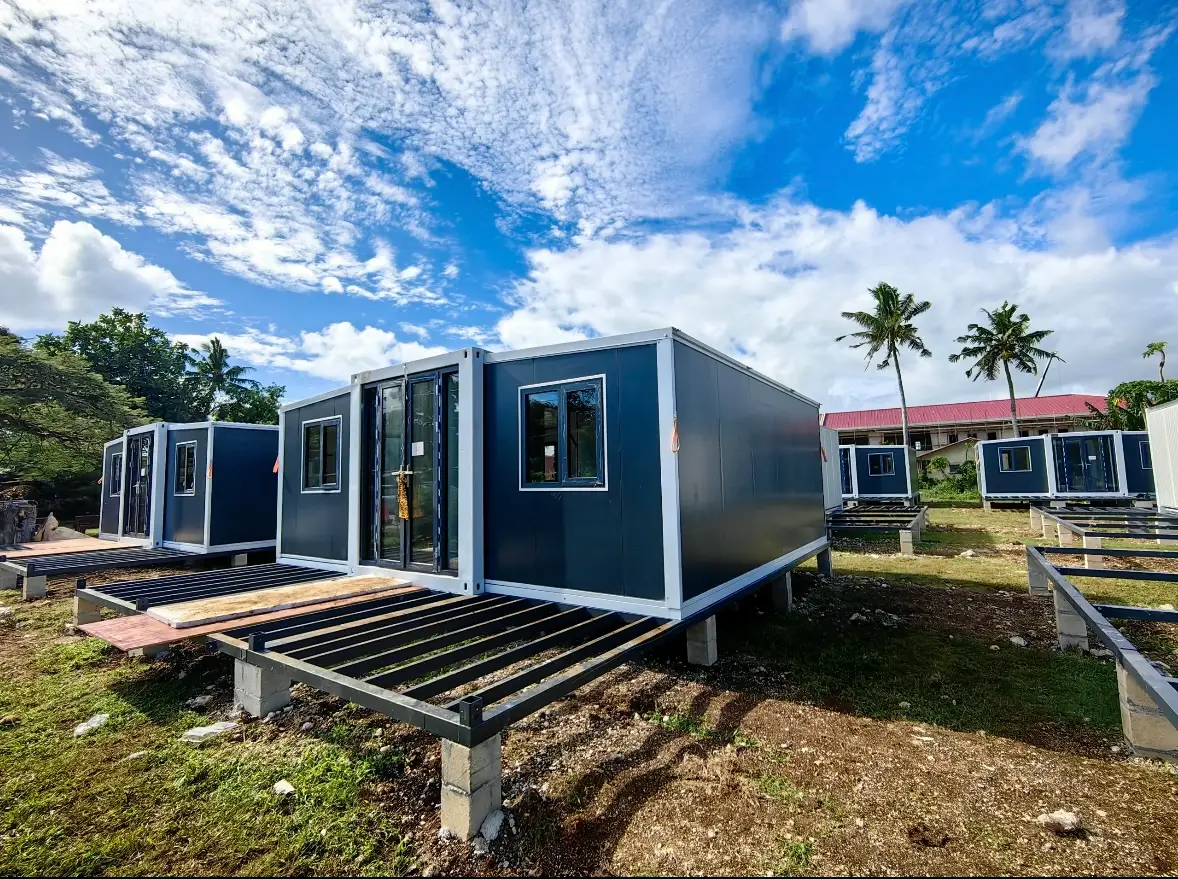
Agricultural buildings must withstand continuous use and varying environmental conditions, including temperature fluctuations, humidity, wind, and dust. Modular container buildings are engineered using durable steel structures and weather-resistant materials, ensuring reliable performance in demanding agricultural environments.
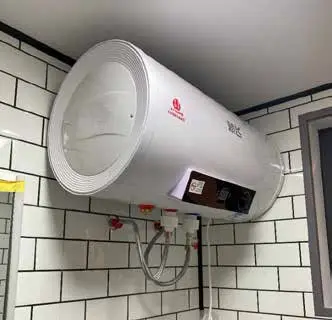
These buildings can be equipped with insulation, electrical systems, plumbing, HVAC, and interior finishing to support both short-term and permanent agricultural applications. Whether used for workforce housing, farm offices, or operational support facilities, modular systems provide dependable infrastructure that supports daily farm operations.
By combining durability, rapid deployment, and scalability, modular container buildings offer farms a practical and efficient solution for developing modern agricultural infrastructure.
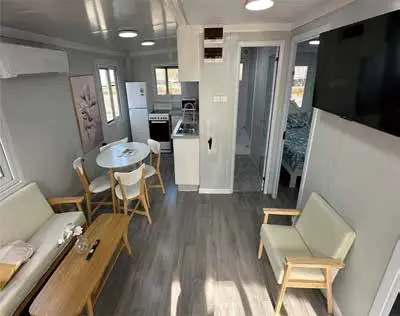
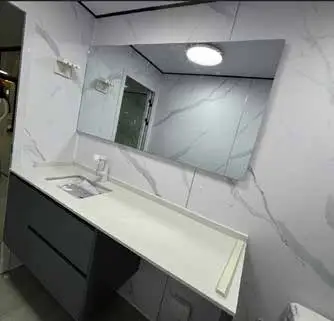

Engineering Adapted to Agricultural Environments
Agricultural projects operate in diverse environmental conditions, including high temperatures, cold climates, strong winds, humidity, and dusty environments. ReachTop modular container buildings are engineered to adapt to these conditions, ensuring reliable performance across different agricultural regions.
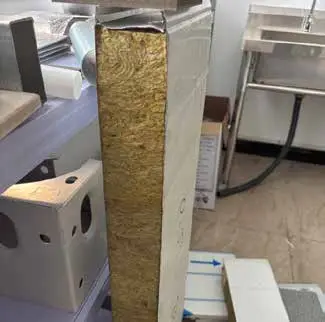
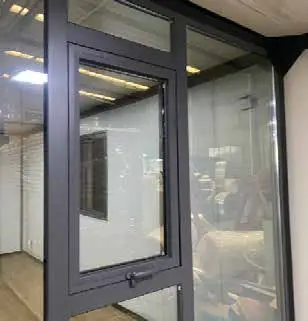
Structural systems, insulation configurations, and material selections can be customized based on project location and environmental requirements. Options such as thermal insulation, wind-resistant structural reinforcement, weatherproof sealing, and corrosion-resistant materials help ensure long-term durability and interior comfort.
These engineering adaptations allow modular buildings to provide safe, stable, and comfortable environments for agricultural workers while maintaining structural integrity and operational reliability throughout years of continuous use.
Engineering Support for Agricultural Developers and Farm Operators
ReachTop provides engineering support throughout the entire project lifecycle, helping agricultural developers and farm operators deploy modular infrastructure efficiently and reliably. From early-stage layout planning to building configuration and delivery coordination, our team ensures each project aligns with operational requirements and site conditions.
We assist clients in selecting appropriate modular systems based on workforce size, operational functions, and future expansion plans. Utility integration, insulation configuration, and structural planning can be adapted to match environmental conditions and long-term usage requirements.
ReachTop does not simply supply modular buildings — we support agricultural infrastructure development with practical engineering solutions designed for real-world farm operations.