
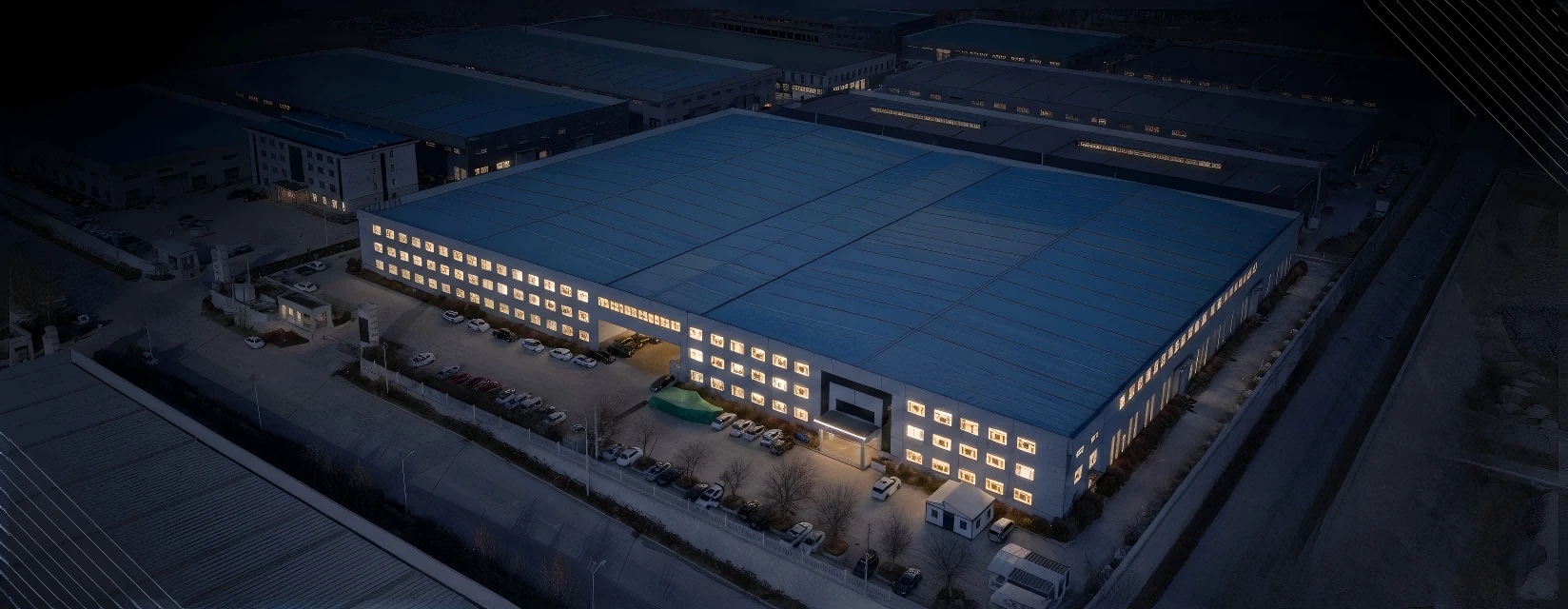
How We Think About Modular Construction
Modular Construction Is an Integrated System
Modular construction is often described simply as prefabricated buildings. In practice, it is much more than that. It is a coordinated system that connects engineering design, factory manufacturing, logistics planning, and on-site installation.
When these elements are properly integrated, modular systems can significantly reduce construction complexity and improve project predictability.
Manufacturing Brings Consistency to Construction
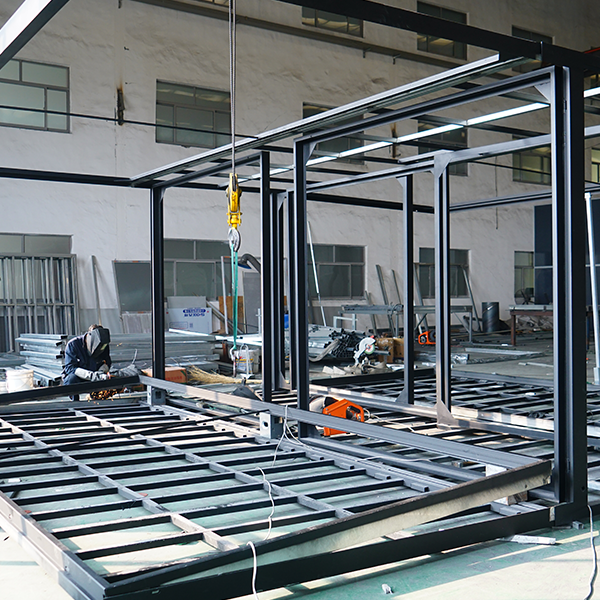
Factory-based production allows building components to be manufactured under controlled conditions where materials, welding, and structural assembly can be managed with greater precision.
This shift from site-built structures to factory-manufactured modules helps improve quality consistency while reducing reliance on variable on-site conditions.
Speed Is a Critical Advantage
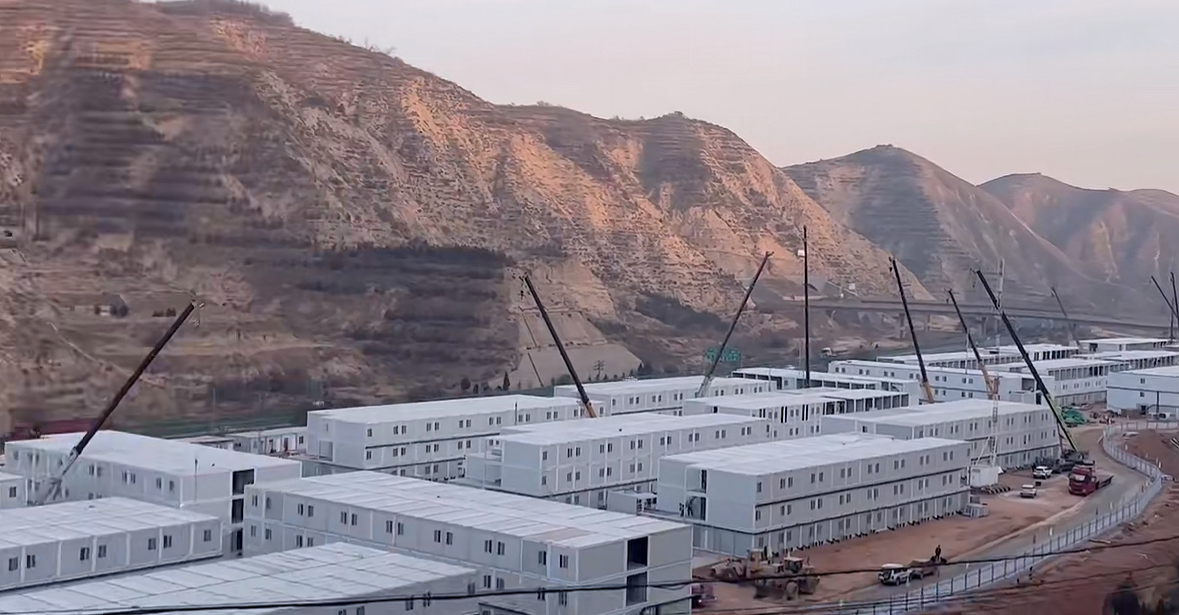
Many projects today require facilities to be delivered quickly — whether for construction camps, mining operations, infrastructure projects, or emergency housing.
Modular building systems allow structures to be manufactured in parallel with site preparation, dramatically reducing the total time required before buildings can become operational.
Vision
We believe modular construction will play an increasingly important role in how buildings are delivered around the world, offering faster deployment, greater predictability, and more efficient project execution.
Philosophy
At ReachTop, modular construction is not simply about prefabricated buildings. It is an integrated system that connects engineering design, factory manufacturing, logistics planning, and efficient on-site installation.
Quality
Factory manufacturing allows building components to be produced under controlled conditions, improving structural consistency and reducing the variability often found in traditional on-site construction.
Speed
Many modern projects require facilities to be delivered quickly. Modular building systems allow structures to be manufactured while site preparation is underway, significantly shortening project timelines.
Future
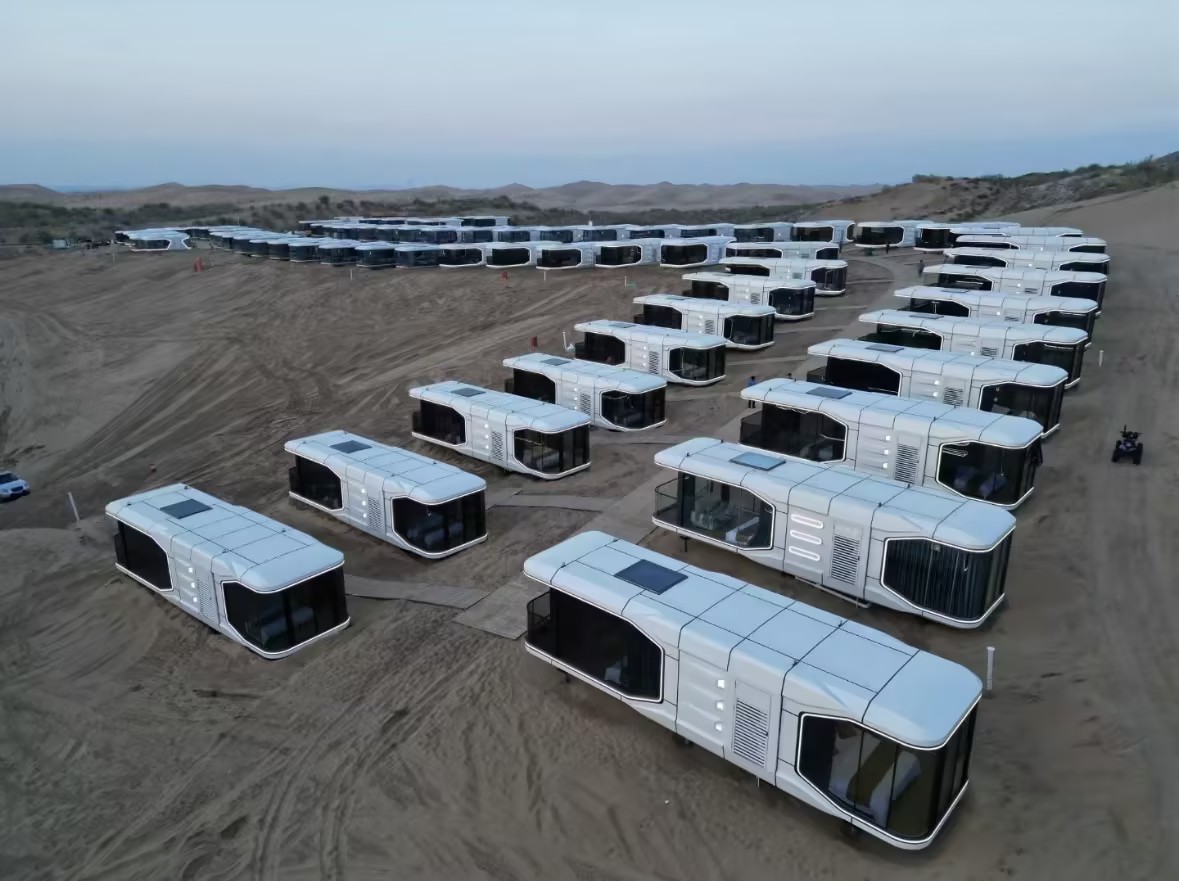
As global construction demand evolves, modular building systems will continue expanding across infrastructure, workforce housing, tourism, and rapid deployment projects.
Speed Is a Critical Advantage
As construction projects around the world demand faster delivery, greater cost certainty, and improved site efficiency, modular building systems are becoming an increasingly important part of the global construction ecosystem.
At ReachTop, we see modular construction not only as a building method but as an evolving system that integrates engineering, manufacturing, and global logistics. By continuously improving our modular product systems and delivery capabilities, we aim to support projects that require reliable, scalable, and rapidly deployable building solutions.
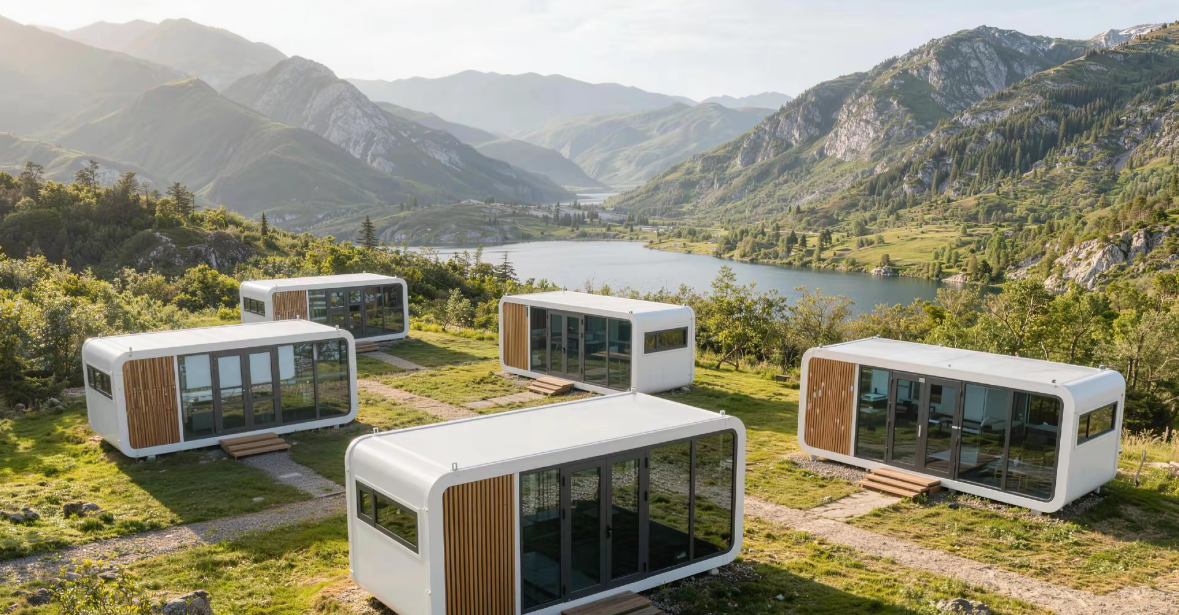
Industrialized Construction
Modular construction is gradually transforming the traditional building process by shifting more work from construction sites to controlled factory environments. This transition improves efficiency and enables projects to scale more predictably.
Global Project Delivery
Many modern projects are located in remote or rapidly developing regions where traditional construction can be difficult to manage. Modular systems allow buildings to be manufactured centrally and deployed efficiently worldwide.
Engineering Innovation
As modular construction evolves, engineering design becomes increasingly important in improving structural reliability, transportation efficiency, and installation speed. Continuous development helps adapt to different environments.
Responsible Manufacturing
Sustainable development in modular construction requires responsible manufacturing practices and long-term cooperation. Maintaining quality standards and transparent operations is essential for building trust.