

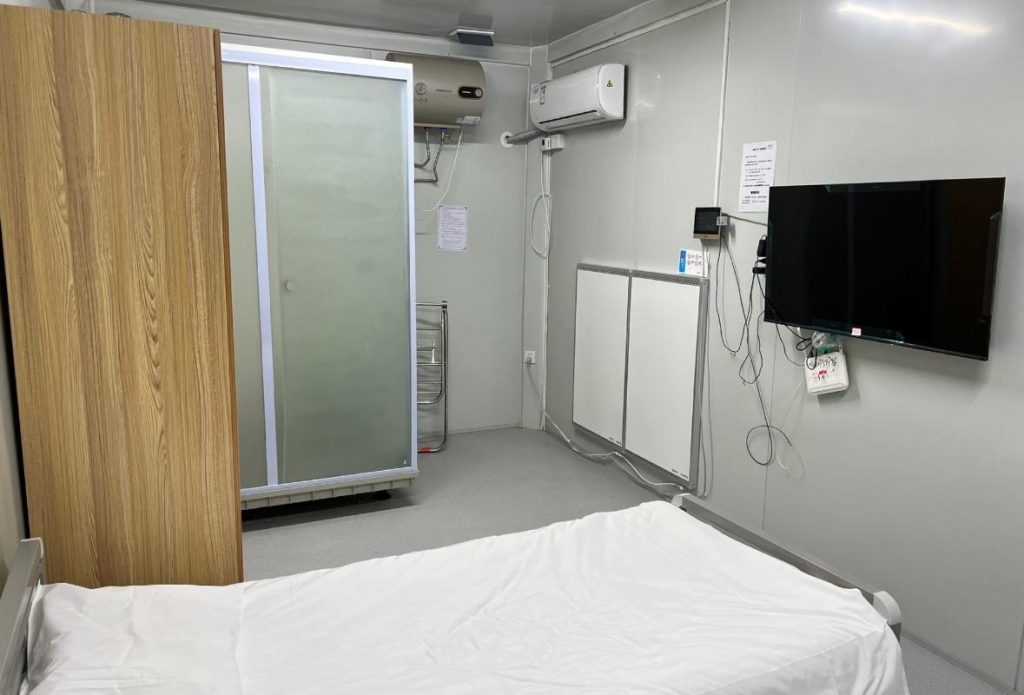
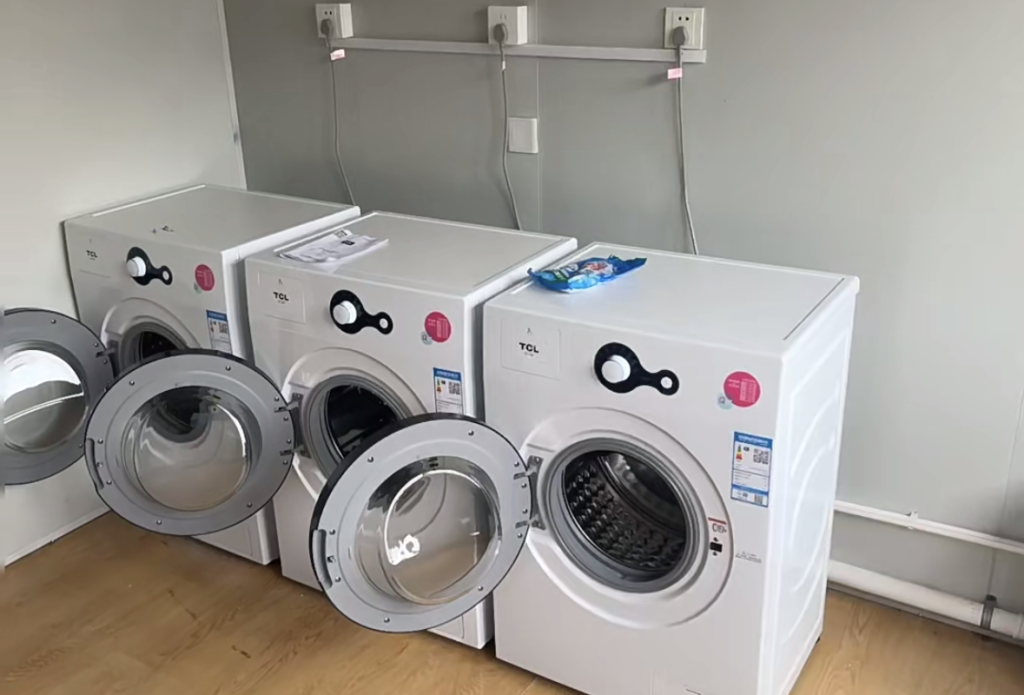
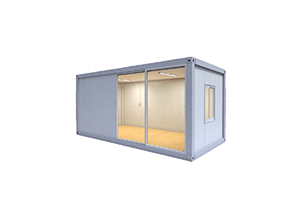
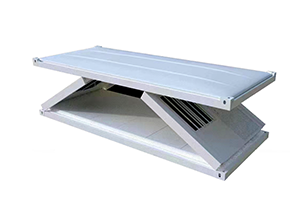
Modular container-based housing systems designed for large-scale emergency response, disaster relief, and urgent accommodation needs.
mergency and disaster housing projects are typically driven by urgency rather than design preference. In most cases, accommodation must be delivered and installed under extreme time pressure, often in locations with limited infrastructure and unpredictable site conditions.
Common emergency housing scenarios include:
Across all these scenarios, the core challenge remains the same:
The real challenge is not design — it is speed, scale, and reliability under pressure.
This is why emergency housing systems must prioritize proven structures, repeatable production, and installation methods that work even when conditions are far from ideal.
In emergency housing projects, speed and reliability matter more than architectural complexity. Detachable container houses are designed around this reality.
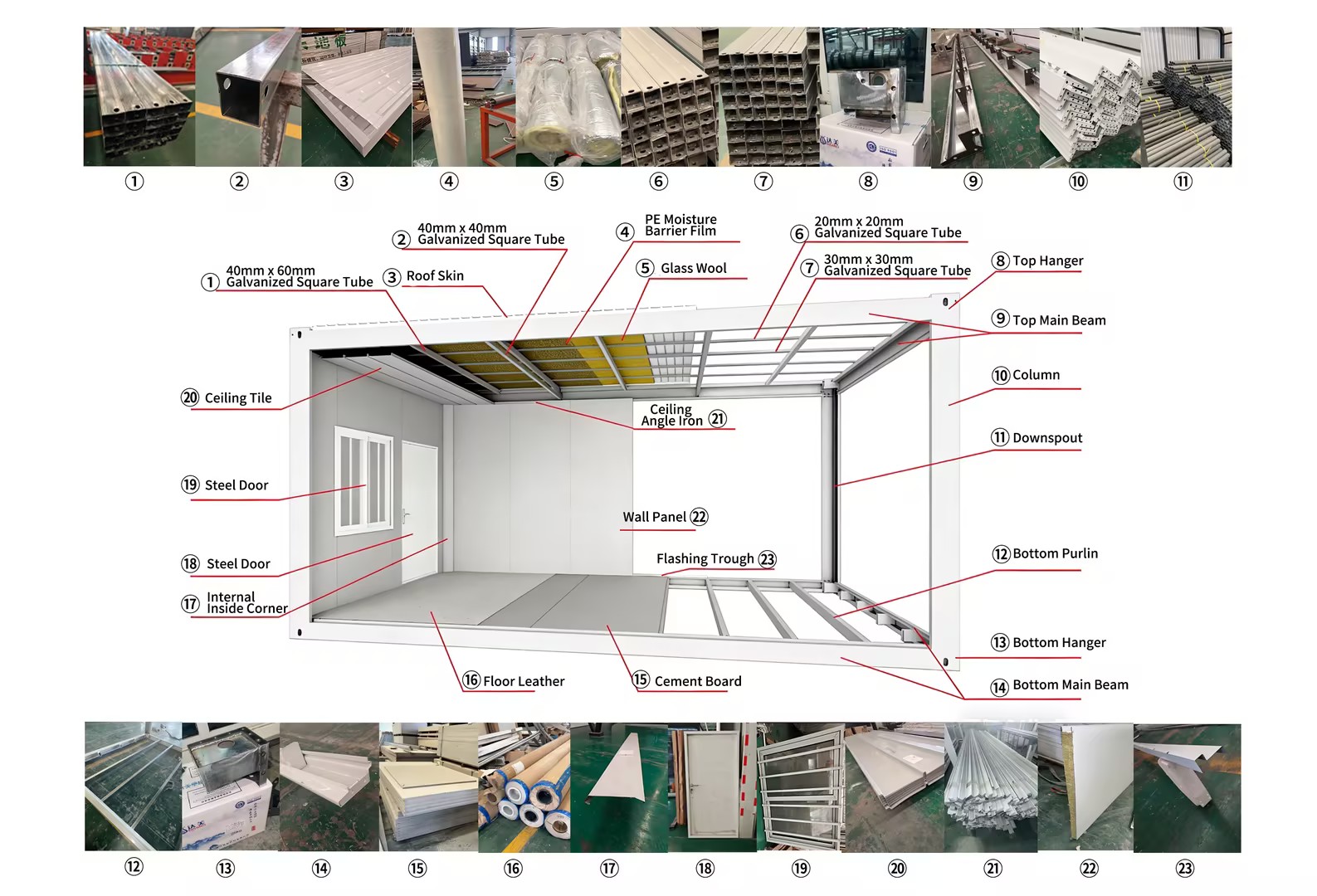
Their structural system is simple, standardized, and proven in large-scale deployments. Components are manufactured in parallel, allowing rapid mass production without compromising consistency or performance. On site, installation follows a repeatable process that does not rely on specialized labor or complex equipment.
Most importantly, detachable systems scale efficiently under extreme time pressure.
With a daily production capacity of up to 500 units, detachable container houses are ideal for emergency scenarios requiring immediate large-scale accommodation.
This combination of fast output, structural stability, and predictable installation makes detachable container housing the most dependable solution when response time is measured in days—not months.
Emergency shelters for displaced populations
Temporary hospitals and medical treatment units
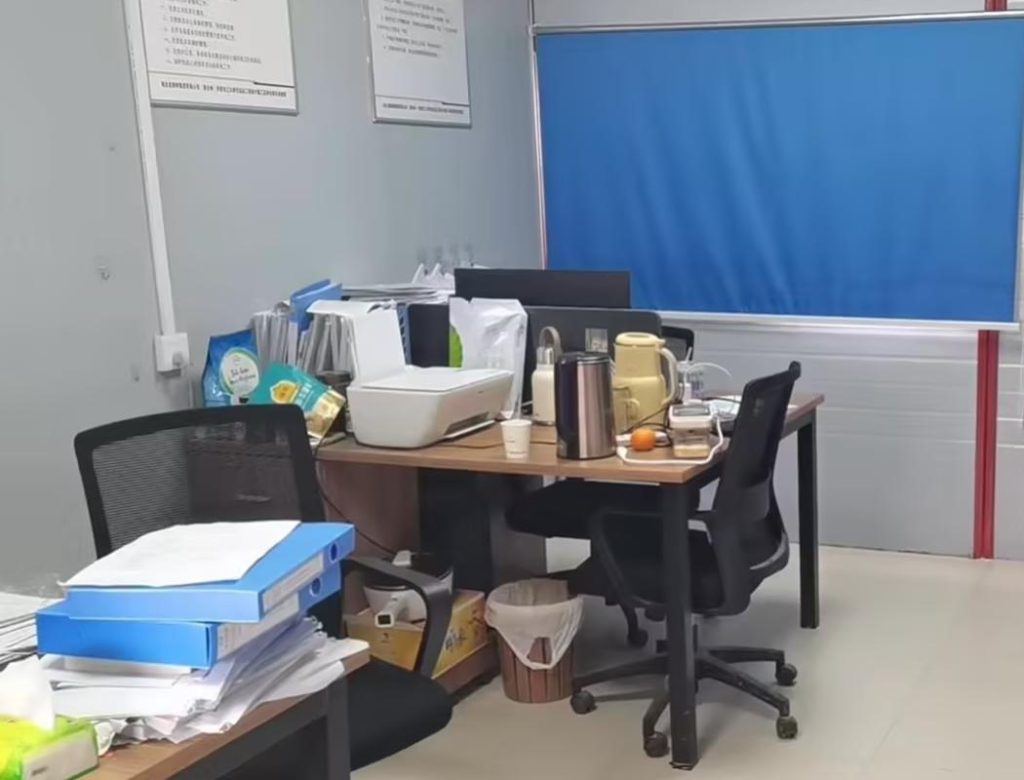
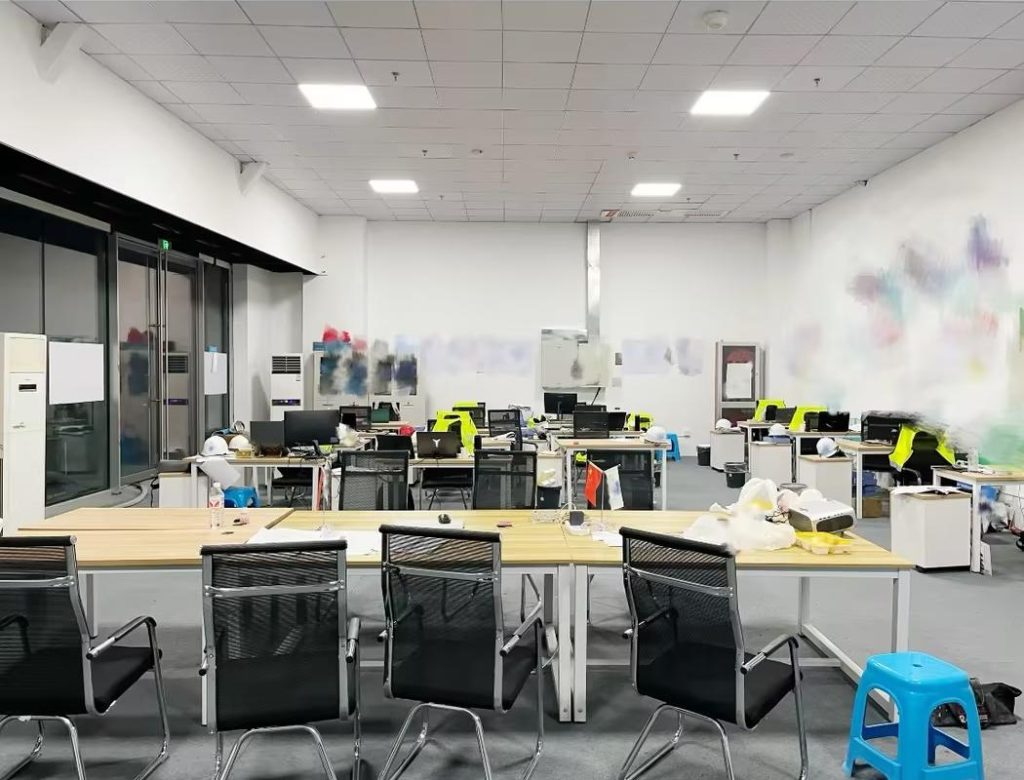
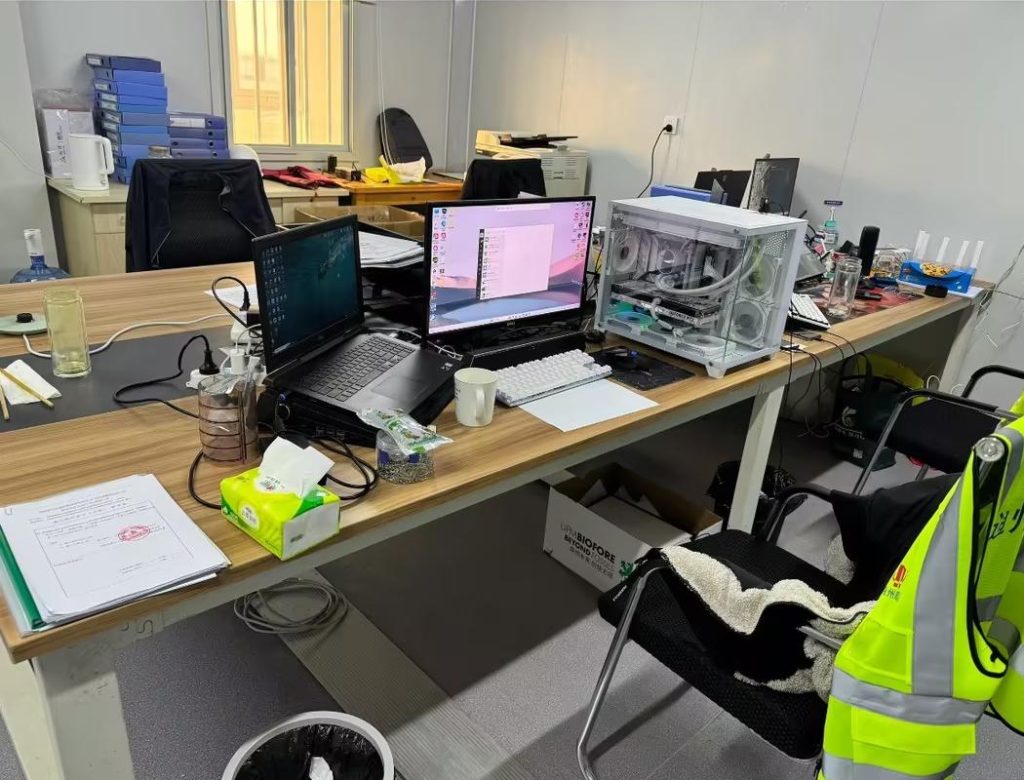
Command centers and on-site coordination offices
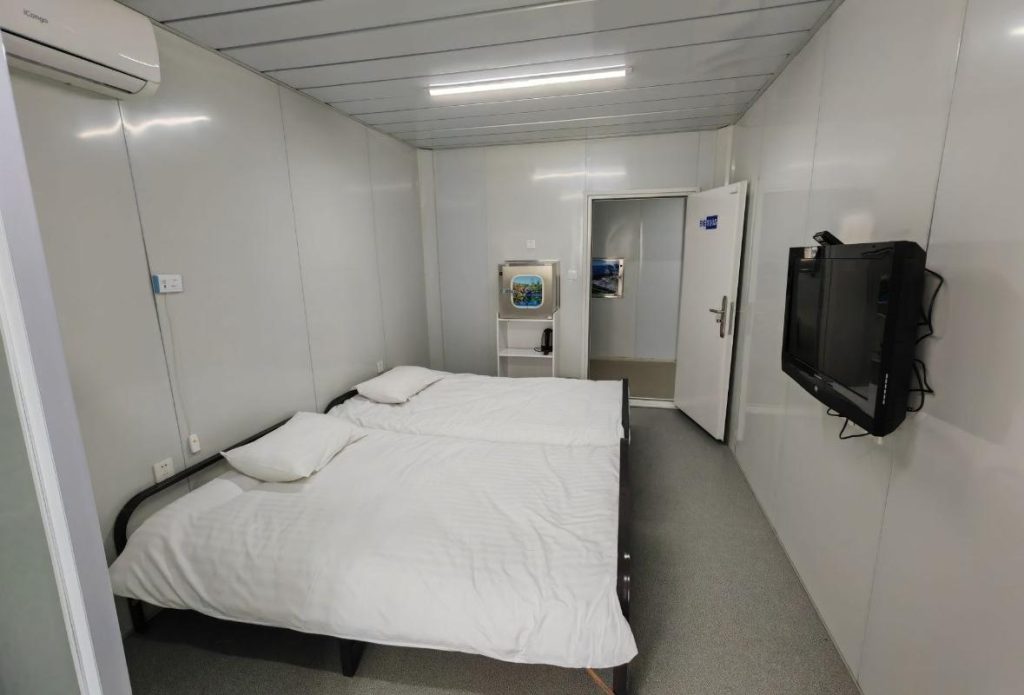
Worker and volunteer accommodation during relief operations
In large-scale emergency response, results speak louder than promises.
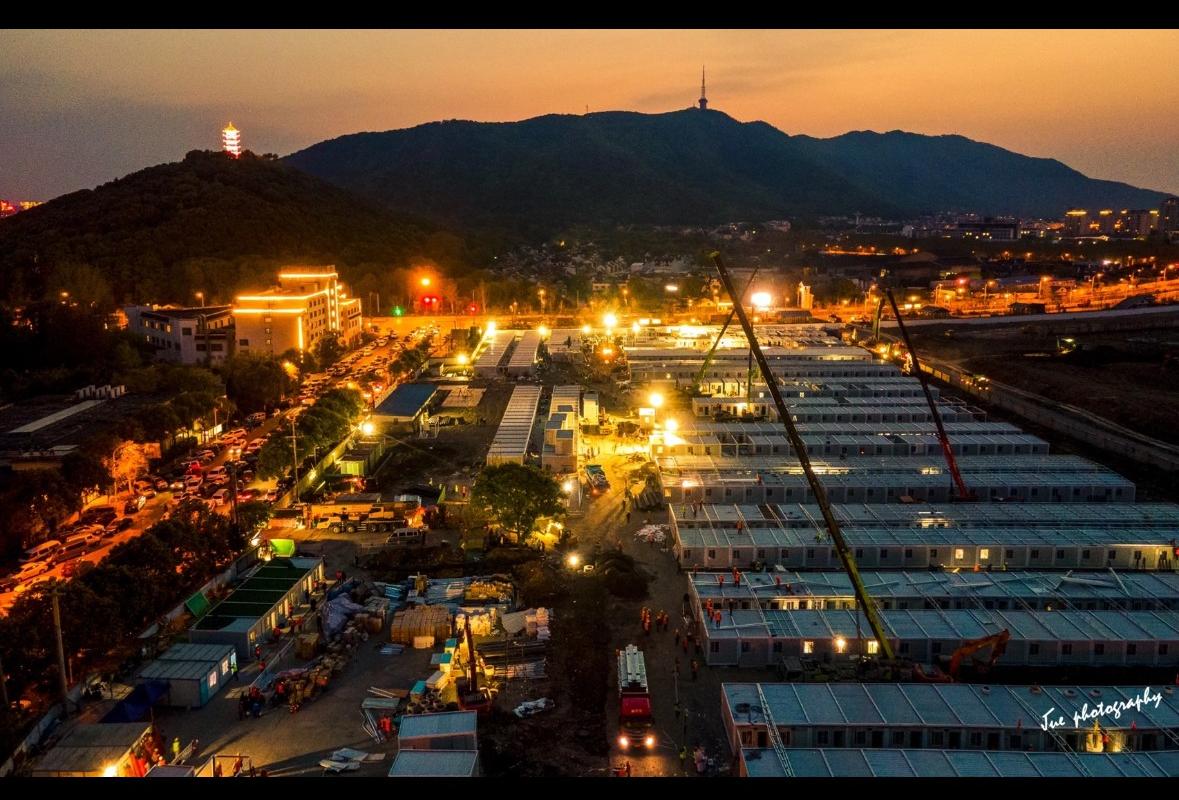
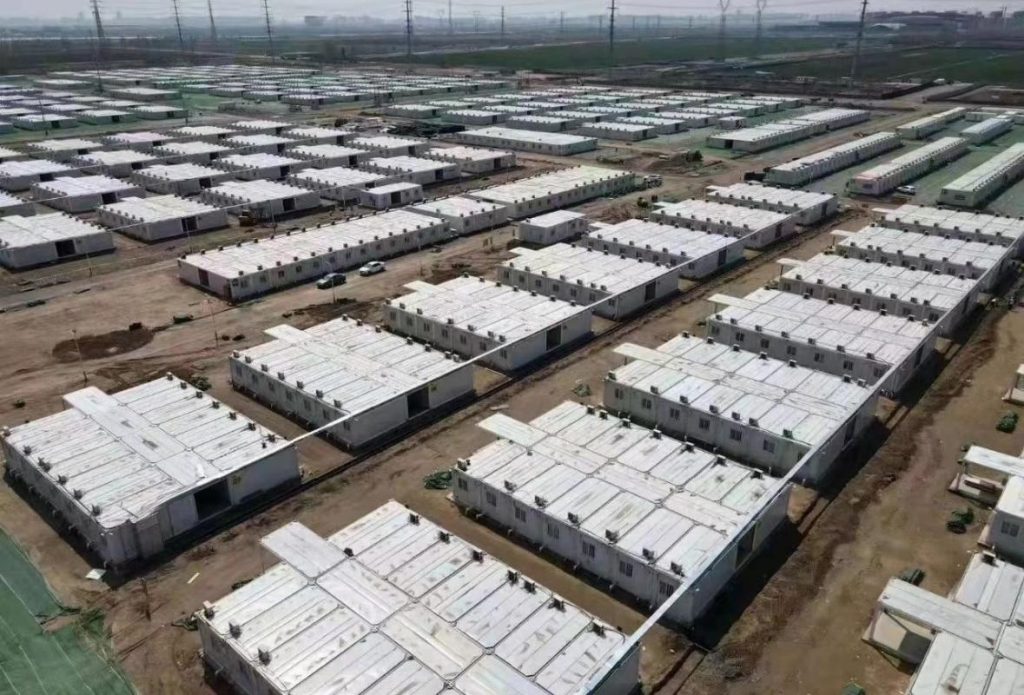
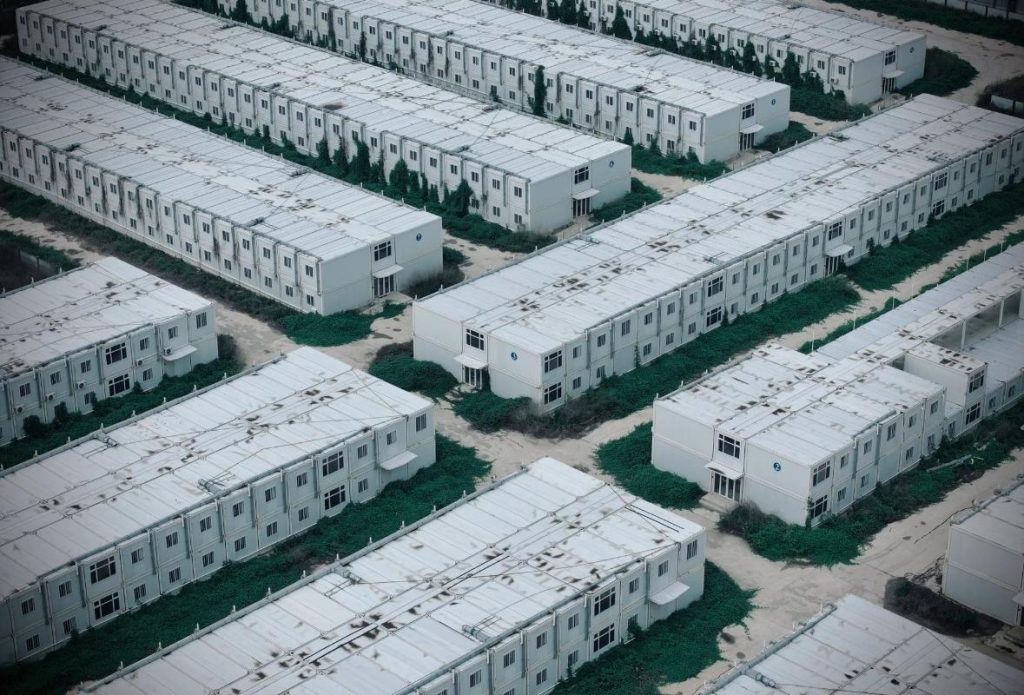
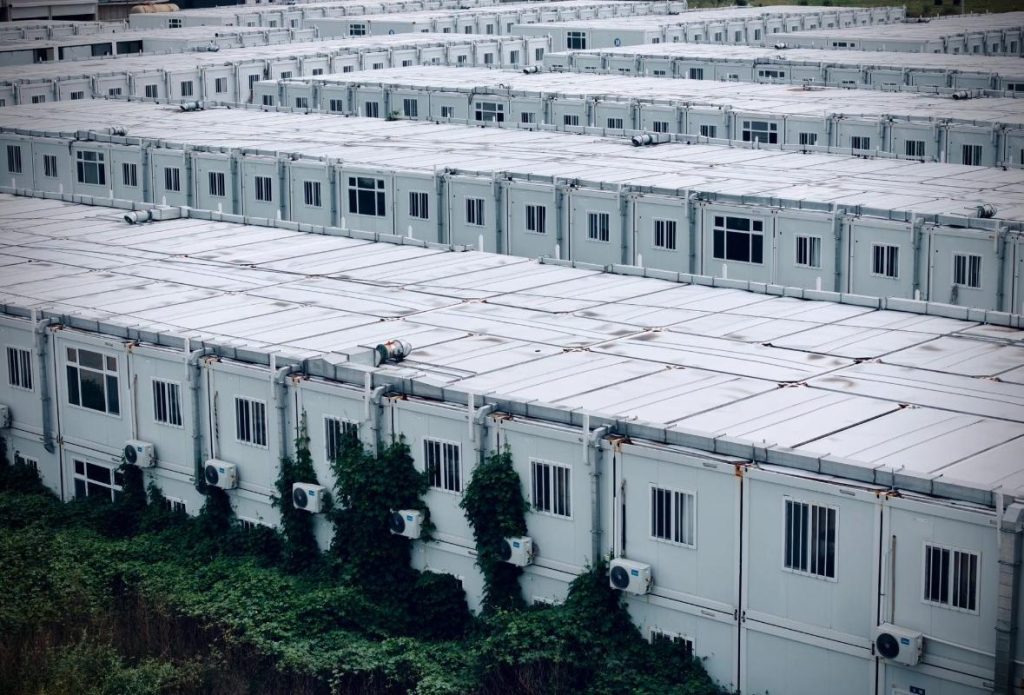
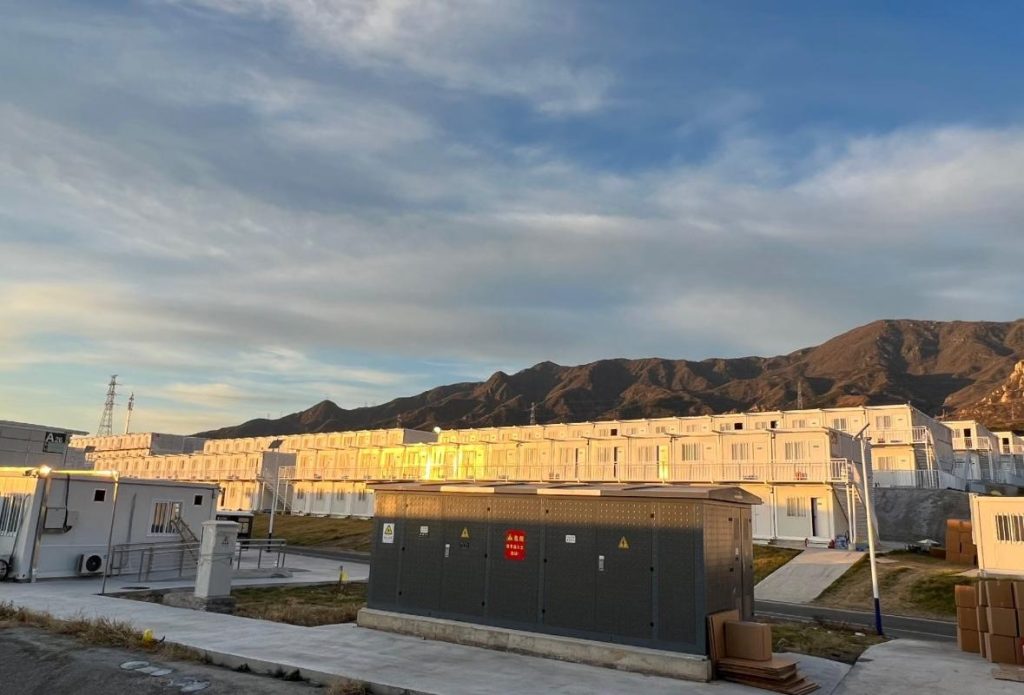
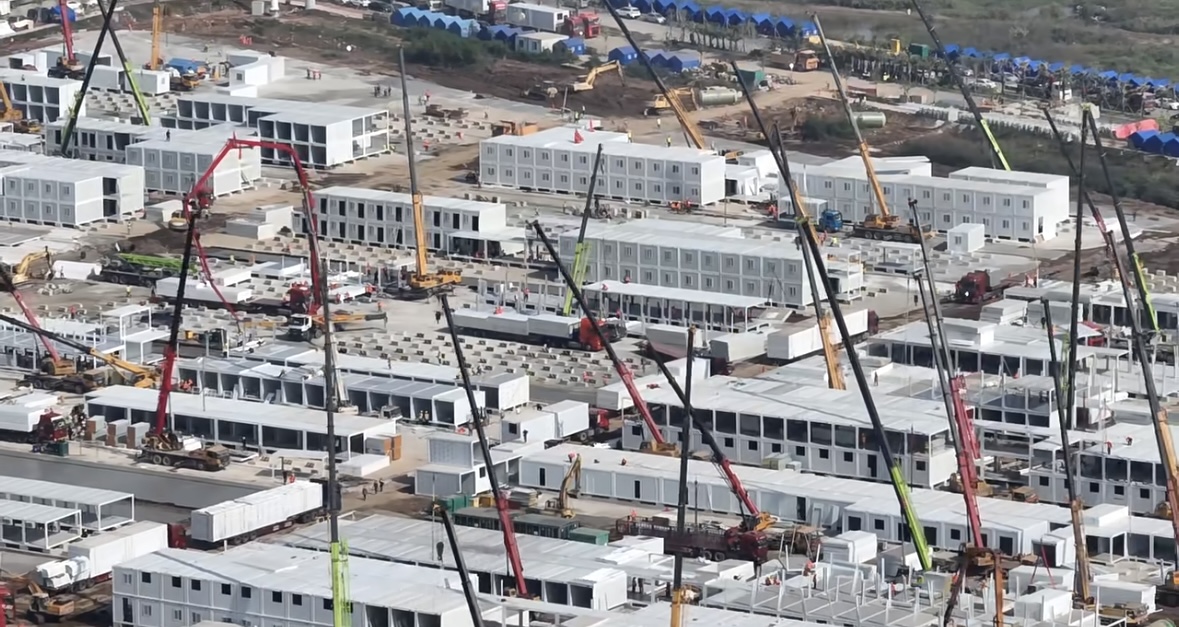
This project covers over 140,000 square meters, delivering 9,000 accommodation units within an extremely compressed timeframe. What normally takes months was executed in days — through standardized production, coordinated logistics, and rapid on-site installation.
Detachable container houses make this level of deployment possible.
By prioritizing structural stability, transport efficiency, and repeatable installation workflows, emergency housing can move from planning to occupation without delay — saving time, controlling costs, and ensuring safe, reliable living conditions when they matter most.
While detachable container houses form the backbone of rapid emergency response, foldable and flat pack systems play an important supporting role in extended relief operations.
Compared to detachable units, foldable and flat pack container houses are typically used when longer deployment timelines and sustained accommodation needs are anticipated. These systems balance reasonable interior space with stable structural performance and standardized assembly processes.
For projects moving beyond the initial emergency phase, production continuity becomes critical.
Foldable and flat pack container house systems can reach a combined production capacity of approximately 2800 units per week, making them suitable for follow-up housing phases where scale, consistency, and delivery rhythm are more important than ultra-fast daily output.
Relief camps extending beyond the initial emergency response phase
Projects requiring stable, repeatable housing solutions over weeks or months
Areas with fixed shipping schedules or longer site preparation windows
Flat packing container houses feature pre-assembled top and bottom frames, improving installation efficiency while maintaining structural strength.
This solution is widely used for workforce accommodation, site offices, and temporary residential buildings where stable quality and fast deployment are required.
All wall panels and roof structures are folded during transportation and expanded on-site, making them suitable for emergency housing, temporary camps, and fast-moving projects.
In large-scale emergency and disaster response projects, not all accommodation serves the same purpose.
While mass housing focuses on speed and capacity, certain roles require a higher level of comfort, privacy, and functional integration.
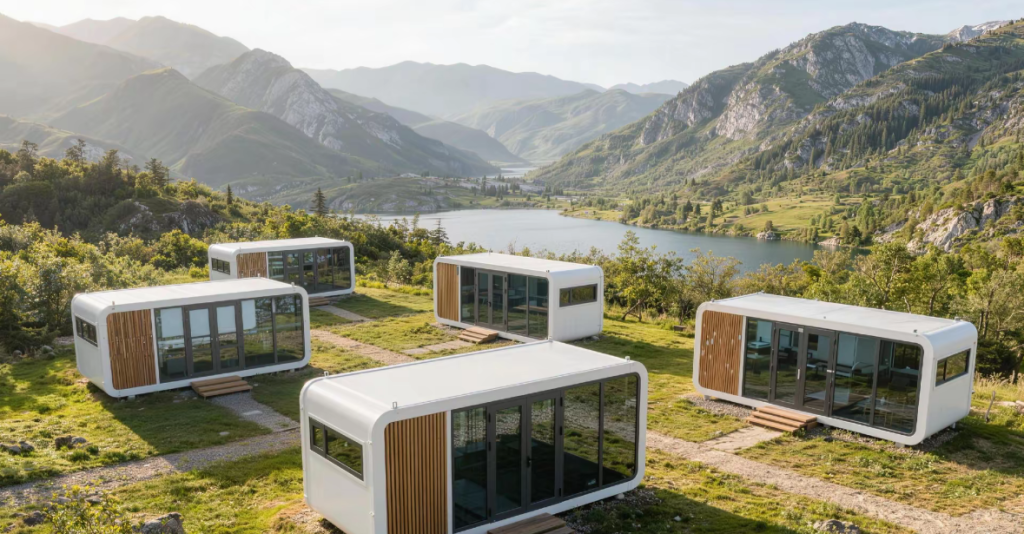
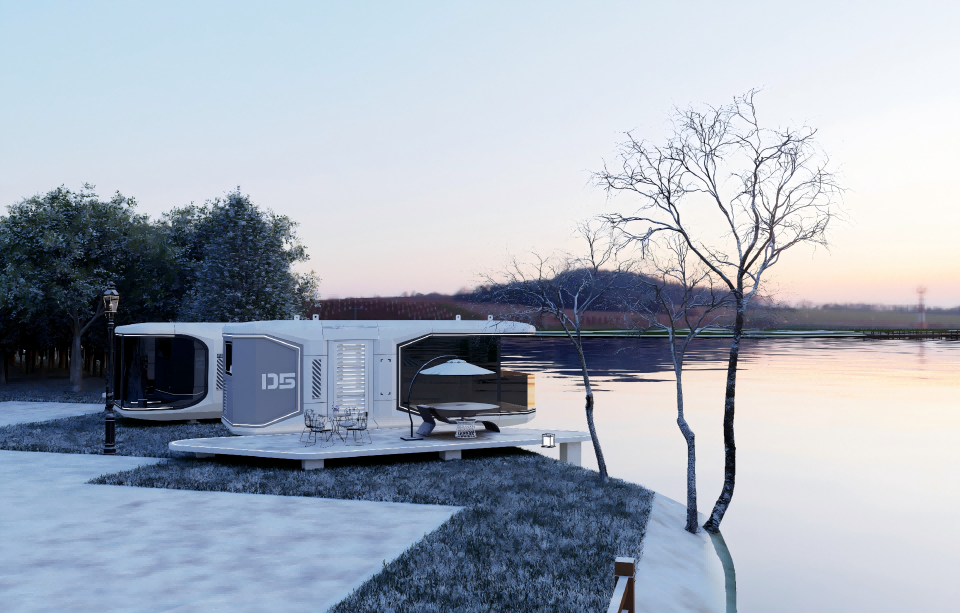
Apple cabin and space capsule units are typically used for:
Government officials and regulatory representatives
Project commanders and on-site management teams
Medical experts, specialists, and decision-makers
VIP guests or donor accommodation
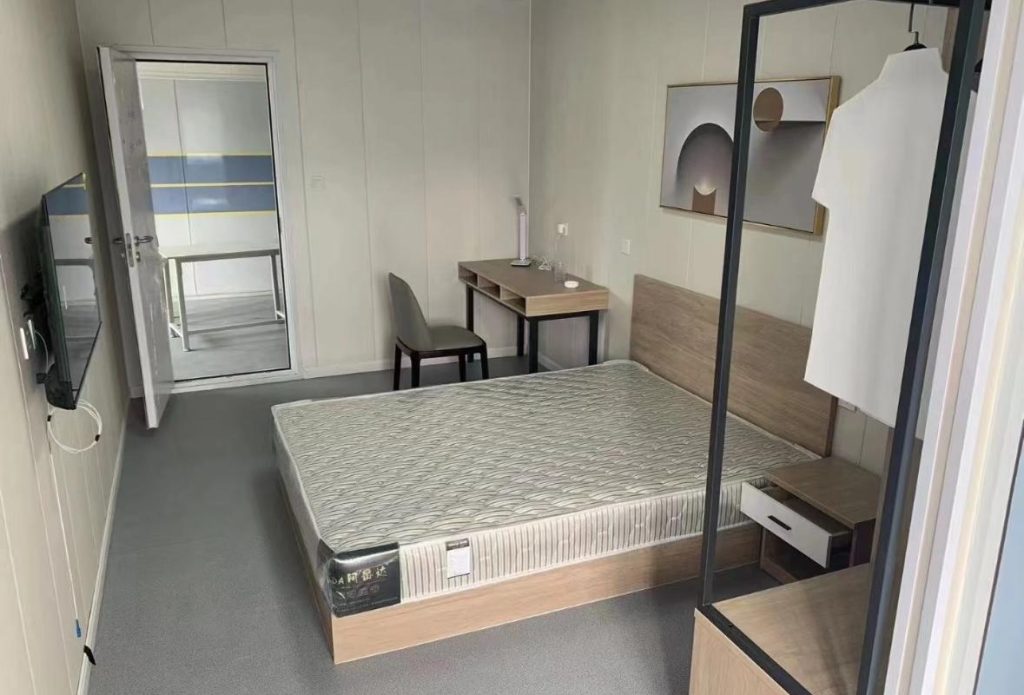
These units are delivered with fully finished interiors, significantly reducing on-site work and coordination.
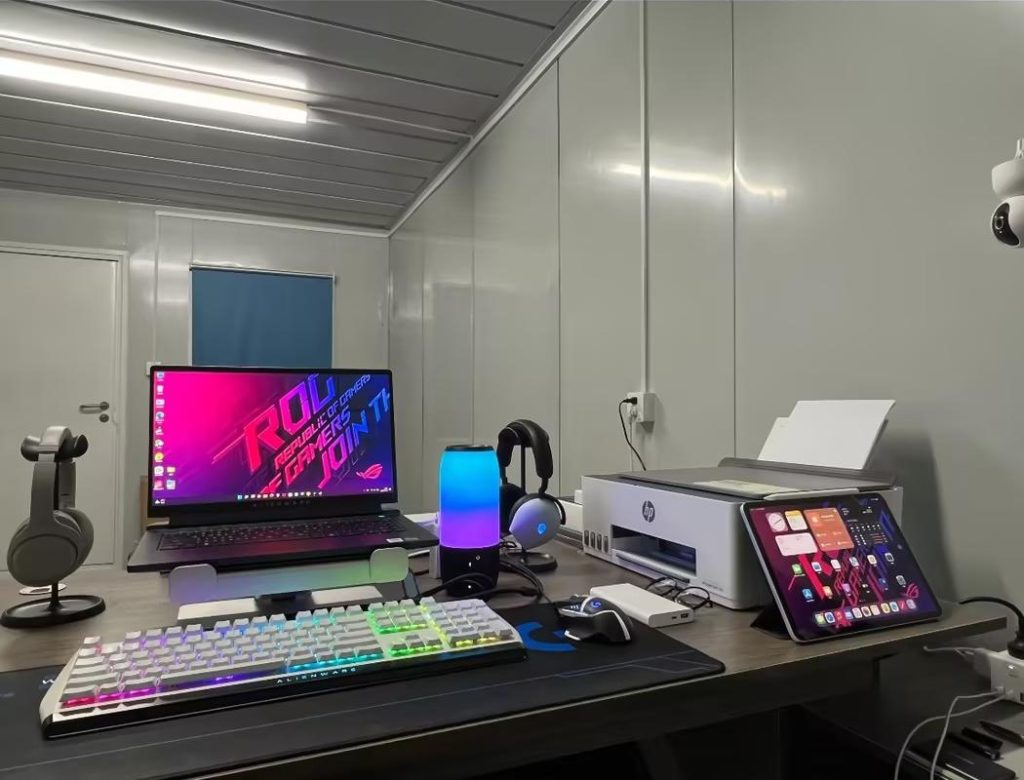
Optional smart systems, integrated bathrooms, and refined interior layouts provide a controlled and comfortable working environment — even in high-pressure emergency scenarios.
From an operational perspective, visual quality and privacy are not aesthetic luxuries.
They directly support decision-making efficiency, rest quality, and confidential communication during critical response periods.
These units are not designed for mass deployment, but for leadership, coordination, and high-comfort requirements within emergency operations.
Large-scale emergency housing projects rarely follow a linear timeline.
Speed is achieved not by relying on a single solution, but by deploying multiple systems in parallel.
Different housing systems — detachable, foldable, flat pack, and cabin-based units — can be manufactured simultaneously based on project priorities and urgency levels.
While modules are produced in the factory, site preparation such as foundations, utilities, and access roads can proceed at the same time.
Delivery and installation are then staged according to real operational needs:
immediate shelters first, followed by expanded accommodation, offices, and command units as the project evolves.
This approach allows emergency housing projects to scale rapidly without waiting for a single system or phase to be completed.
Emergency and disaster housing projects rarely follow a standard template.Site conditions, local regulations, and climate requirements vary significantly from region to region — and engineering support is often the deciding factor between success and delay.
Our role goes far beyond supplying container units. We support projects from the early planning stage through deployment, with engineering solutions tailored to each location and use case.
This includes layout planning for large-scale camps, sanitary system design, and power and water routing adapted to local standards and operating conditions. All utility systems are configured according to country-specific requirements rather than generic specifications.
For selected systems — including space capsule units, apple cabins, and expandable container houses — water and electrical systems are fully prefabricated in the factory. Once delivered, these units require no on-site utility installation, significantly reducing coordination risk and deployment time.
In extreme environments, engineering customization becomes even more critical.
For cold and sub-zero regions, we provide customized insulation solutions, including multi-layer wall systems and cold-climate material configurations designed to maintain interior comfort and long-term durability.
This engineering-driven approach ensures that emergency housing systems are not only delivered quickly, but also perform reliably — regardless of location, climate, or operational pressure.
If your project requires fast, reliable, and scalable emergency housing solutions, our modular systems are ready to support urgent deployment worldwide.
No cookies in this category.
Your Privacy Choices
We use necessary cookies to keep this website working. With your permission, we also use analytics and advertising cookies to understand how the site is used, measure inquiries and improve our marketing. You can change your choice at any time. Privacy Policy Cookie Policy