
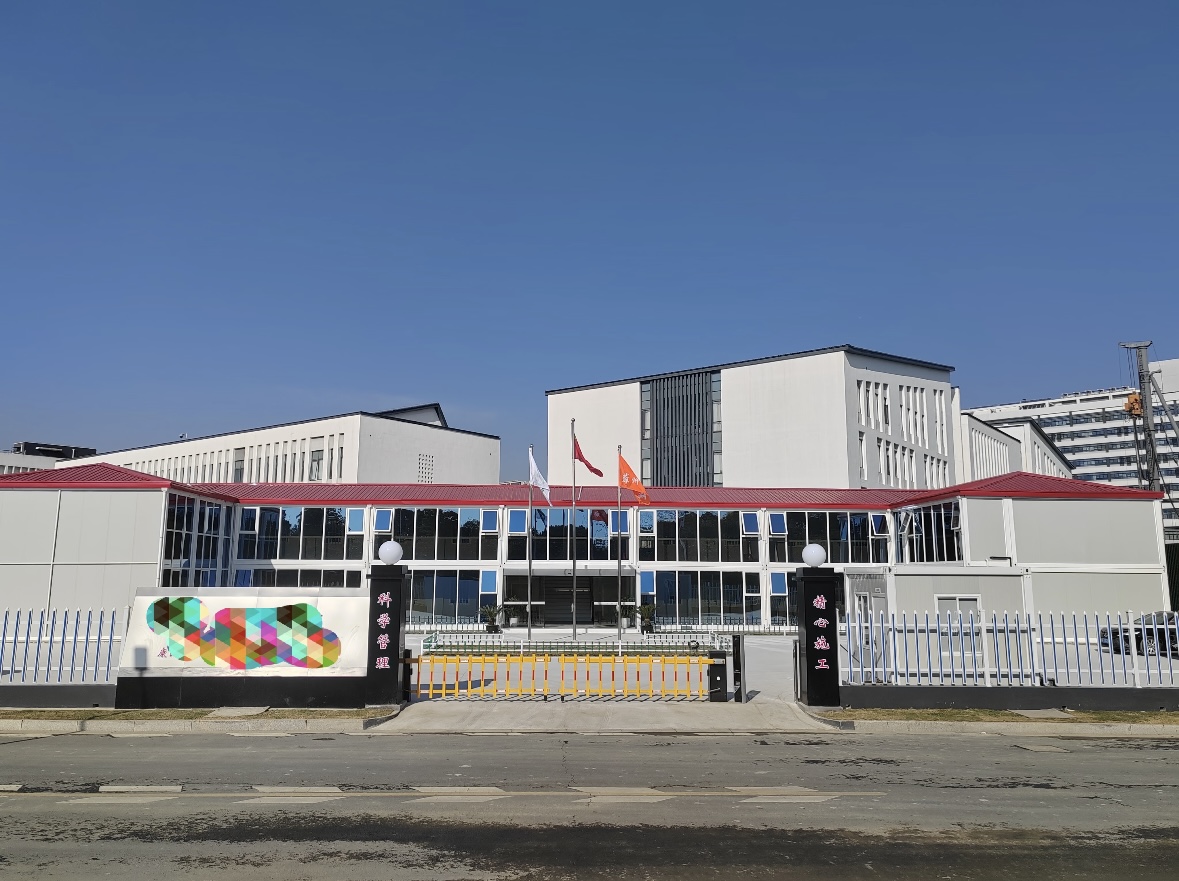
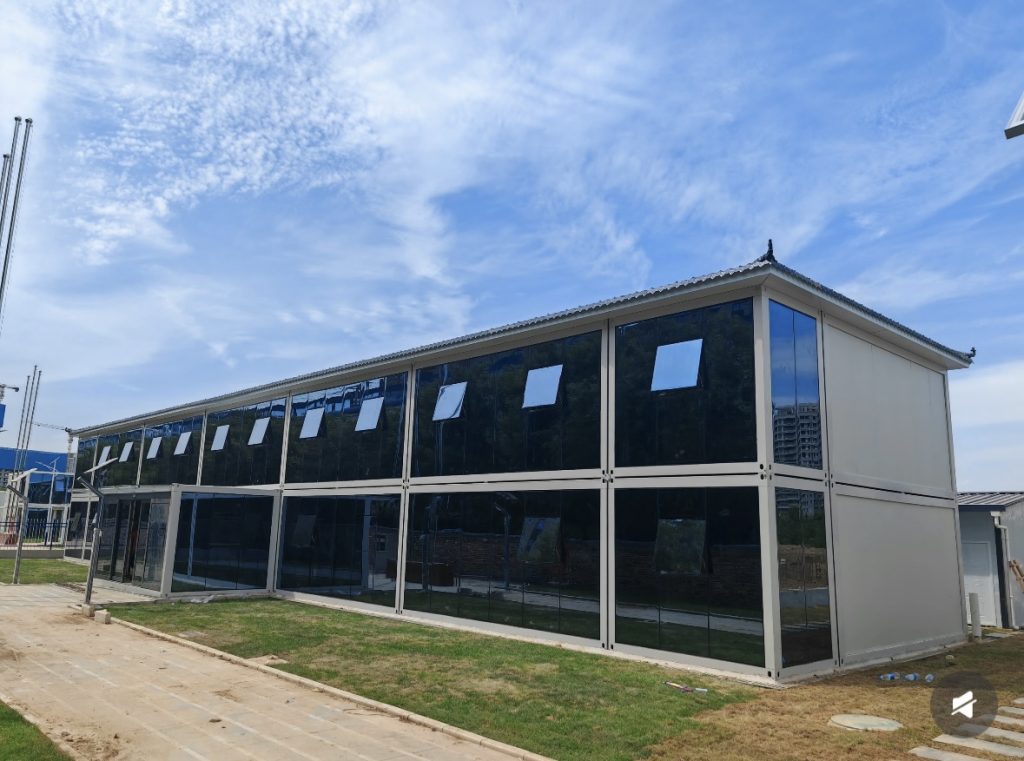
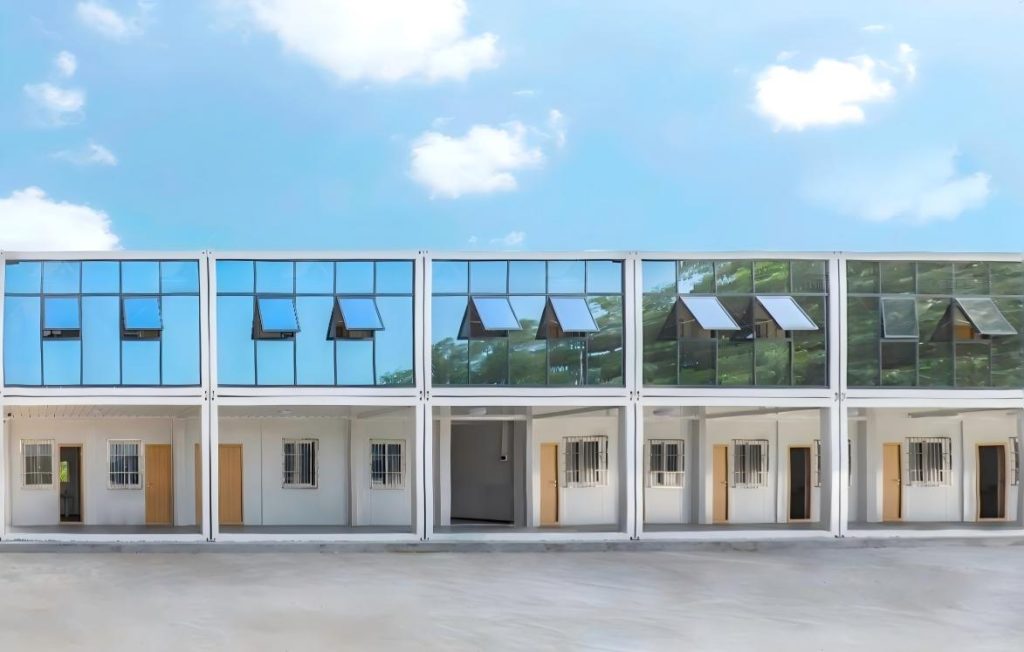
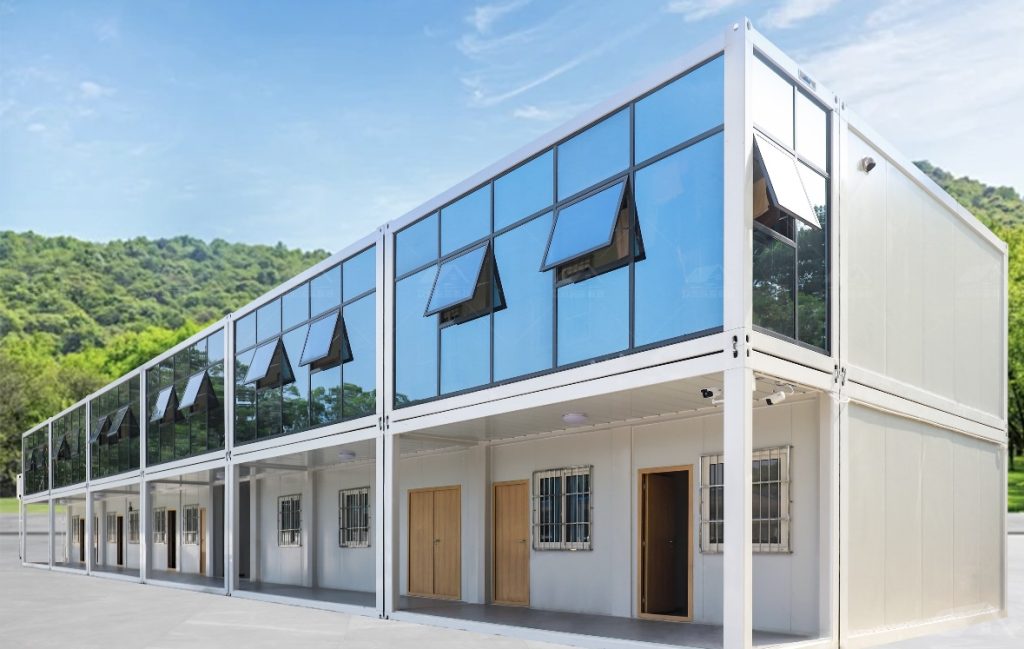
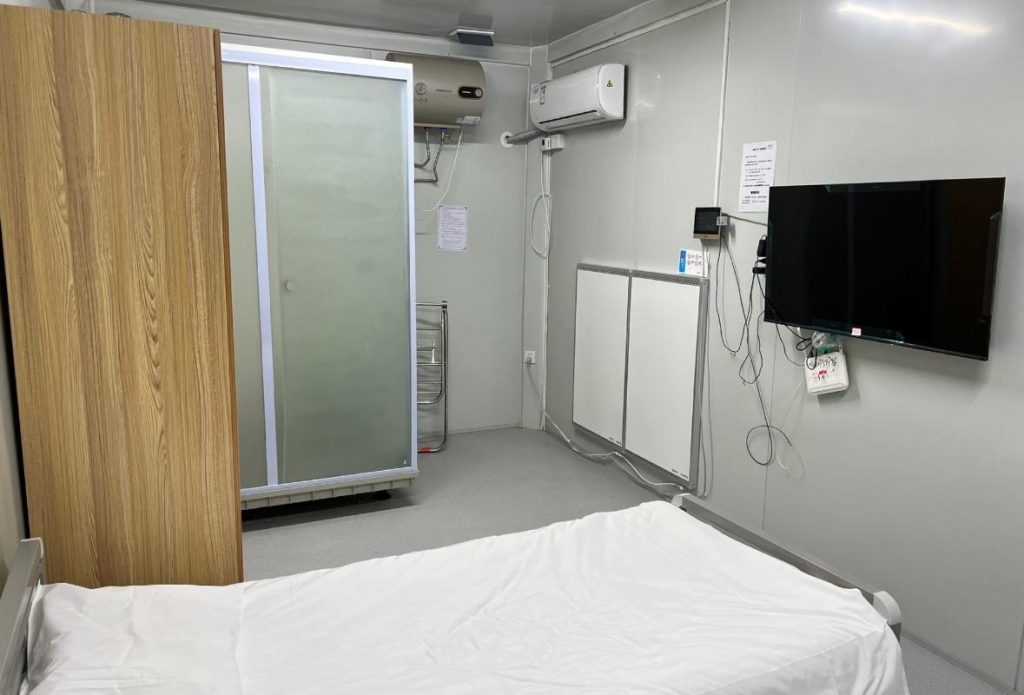
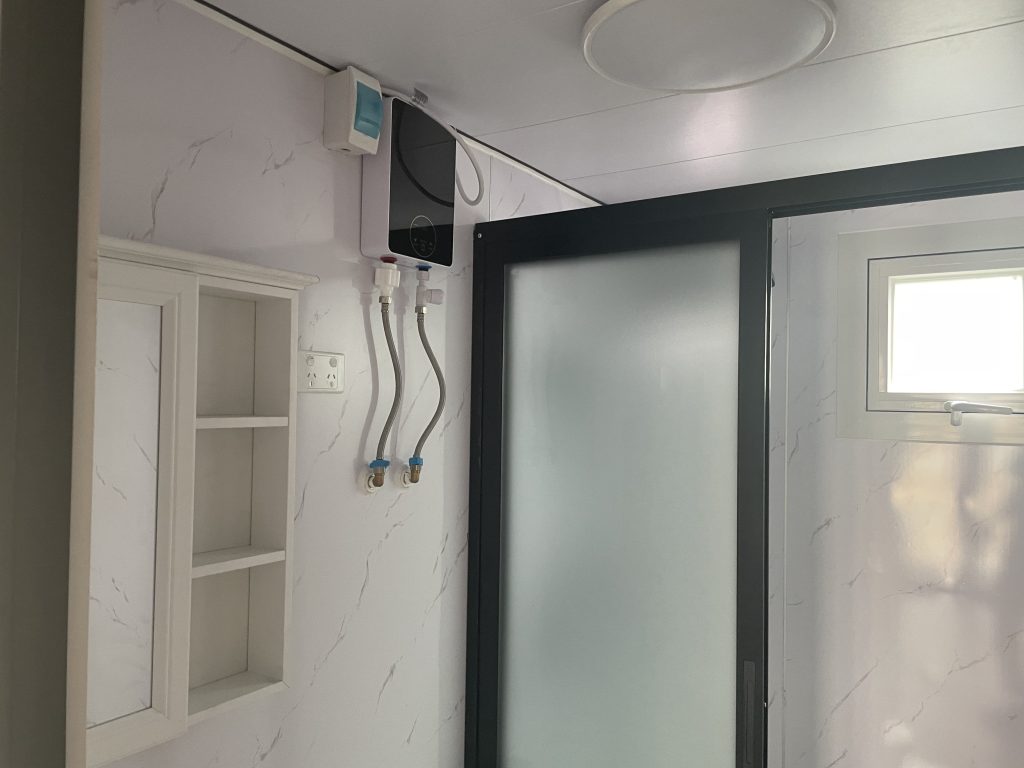
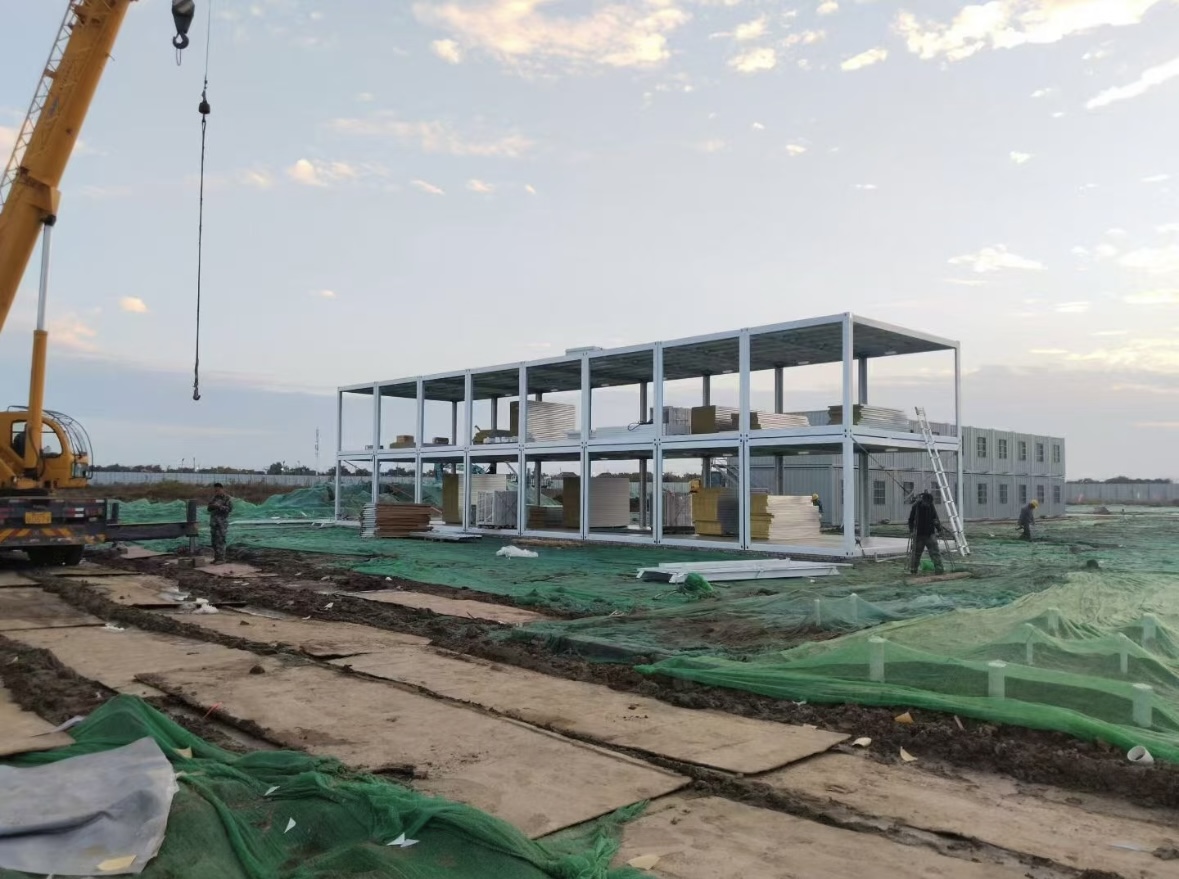
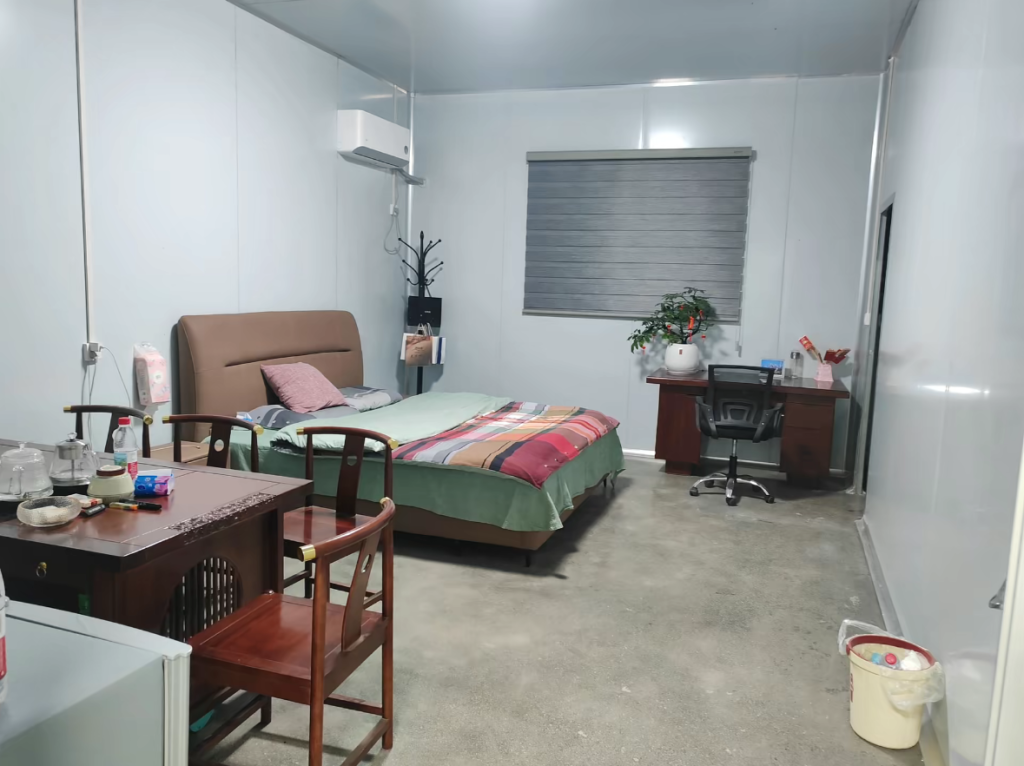
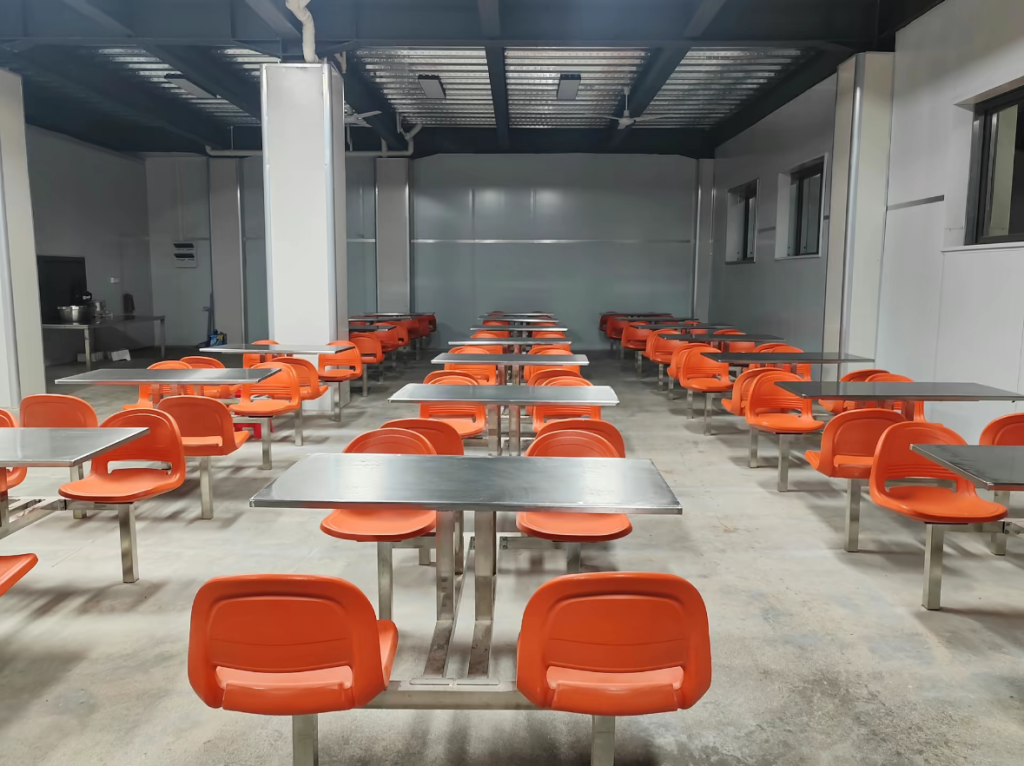
Modular container-based housing systems designed for large-scale emergency response, disaster relief, and urgent accommodation needs.
Construction projects rarely follow a single, fixed path.
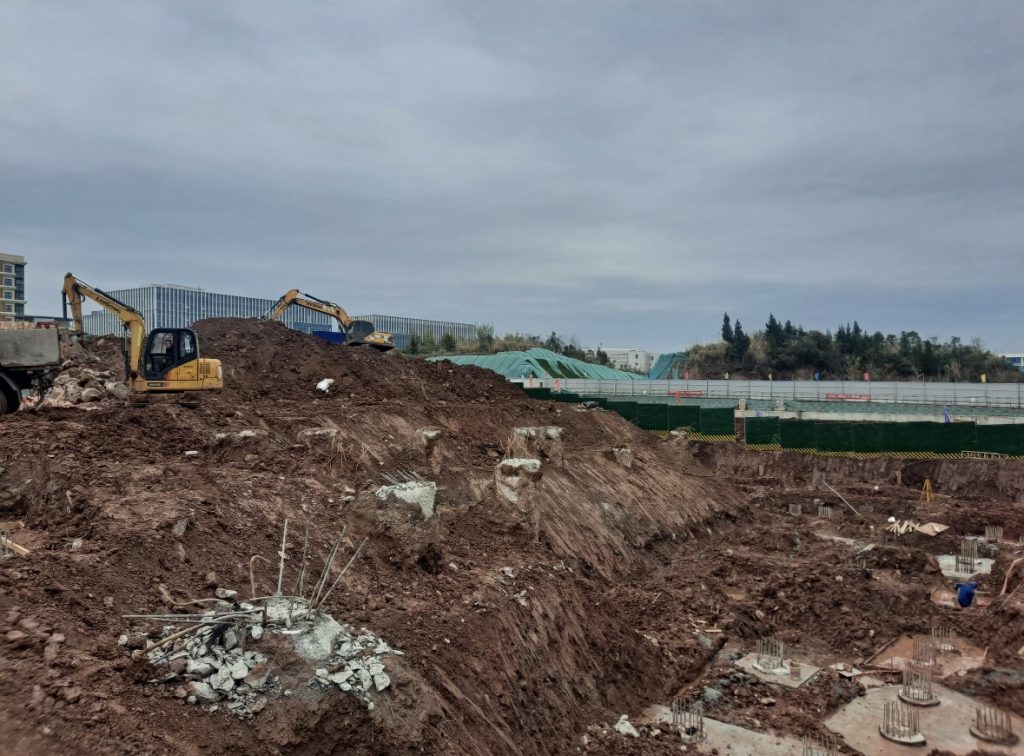
They move in phases — mobilization, peak construction, finishing, and withdrawal — and site requirements change at each stage.
During early and mid-stage construction, permanent buildings are often impractical. They require long approval cycles, higher upfront investment, and remain fixed in place long after the project team has moved on. For construction companies, this creates unnecessary cost and asset lock-in.
Modular container-based buildings offer a more practical alternative.
Accommodation, site offices, meeting rooms, and support facilities can be deployed exactly when they are needed, positioned where they make sense, and removed once the project is completed.
After demobilization, modular units can be dismantled and relocated to the next project — with the important understanding that container-based buildings are not designed for unlimited reuse. In real construction environments, dismantling and reinstallation is typically recommended no more than two to three times, as each cycle involves handling, lifting, and reassembly that naturally causes wear.
This realistic approach allows construction companies to balance flexibility with durability — without overpromising performance that does not hold up on site.
Combined with fast production cycles and lower overall construction cost, modular container buildings have become a standard operational asset for construction companies rather than a one-off solution.
Construction sites rely on facilities that can keep pace with changing workloads, schedules, and site layouts.
Rather than permanent structures, most contractors prefer modular systems that can be deployed quickly, adjusted as the project progresses, and removed once work is completed.
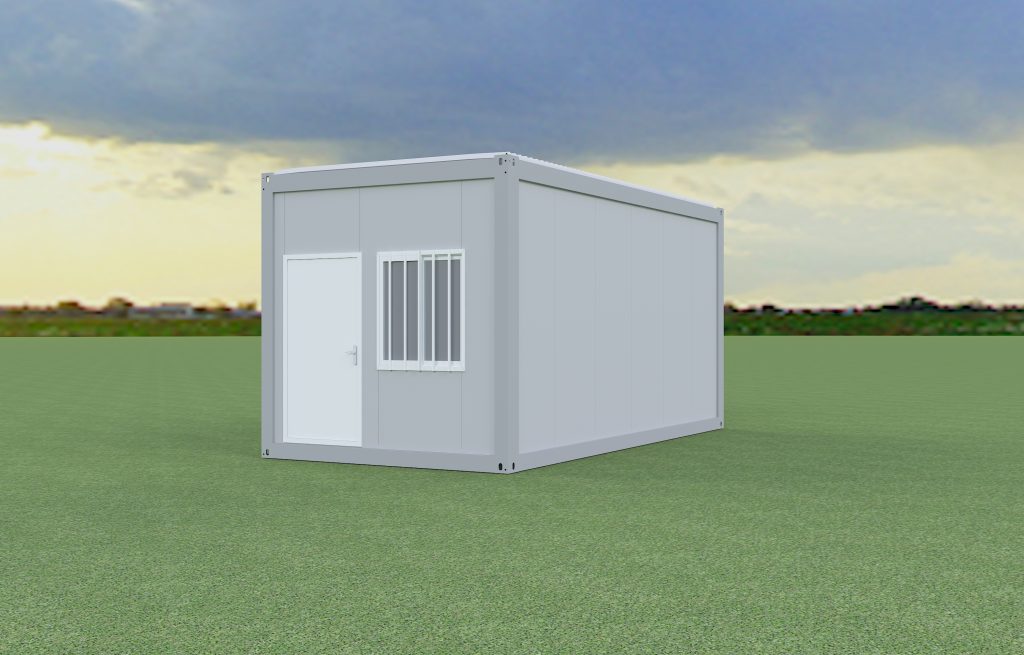
Detachable container houses are commonly used as the backbone of day-to-day site operations.
They are deployed wherever stability, predictability, and speed are required.
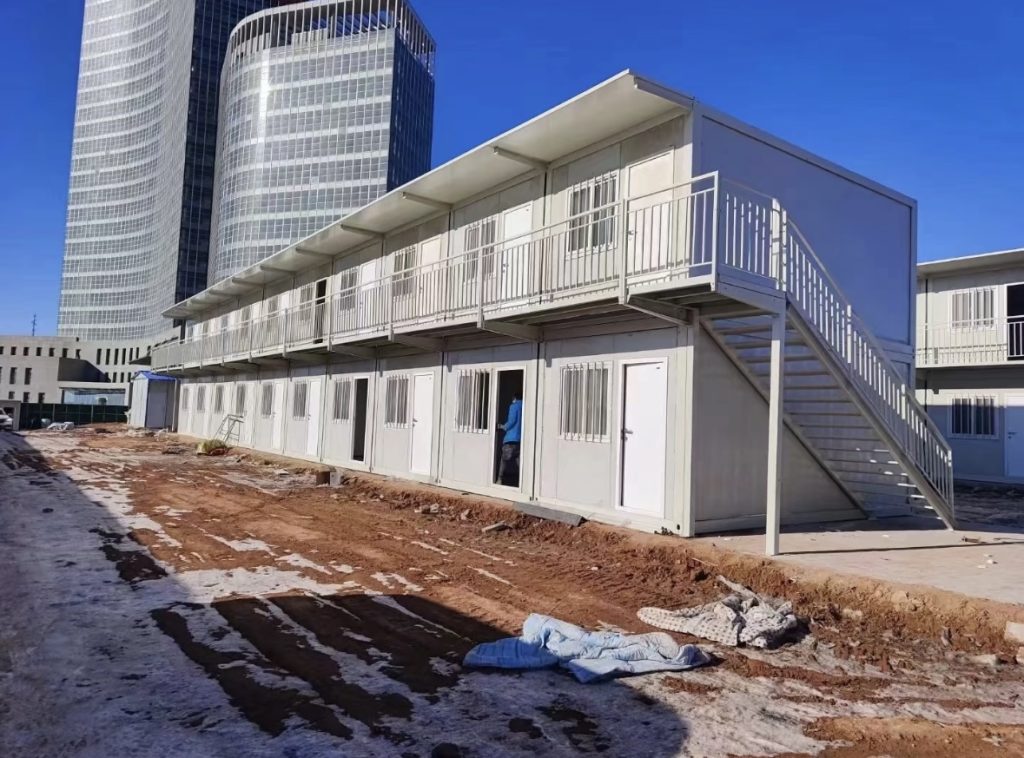
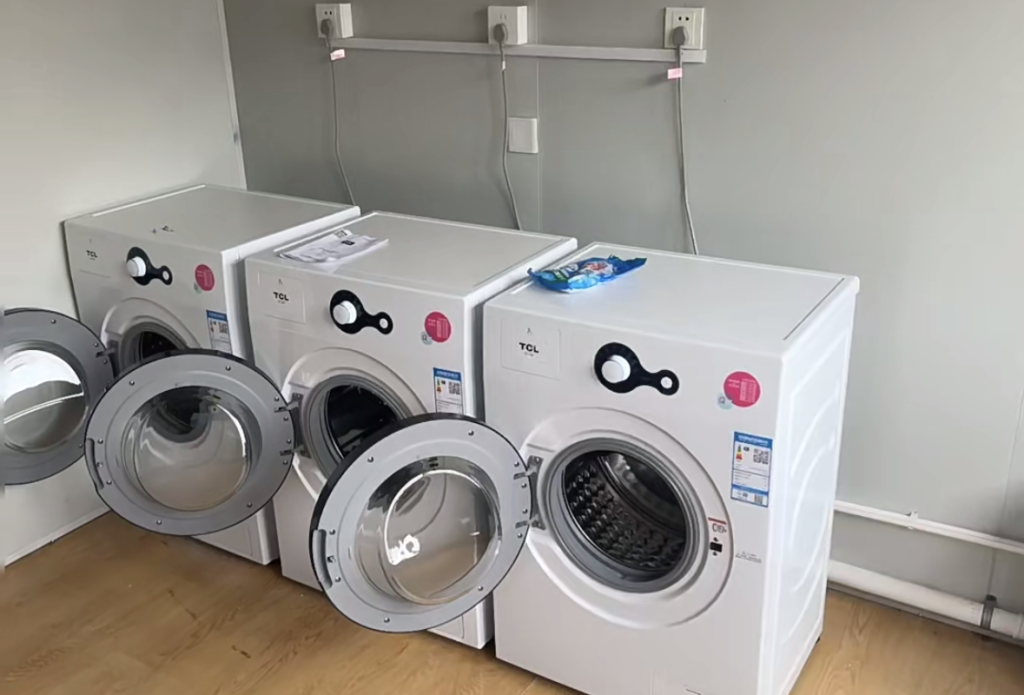
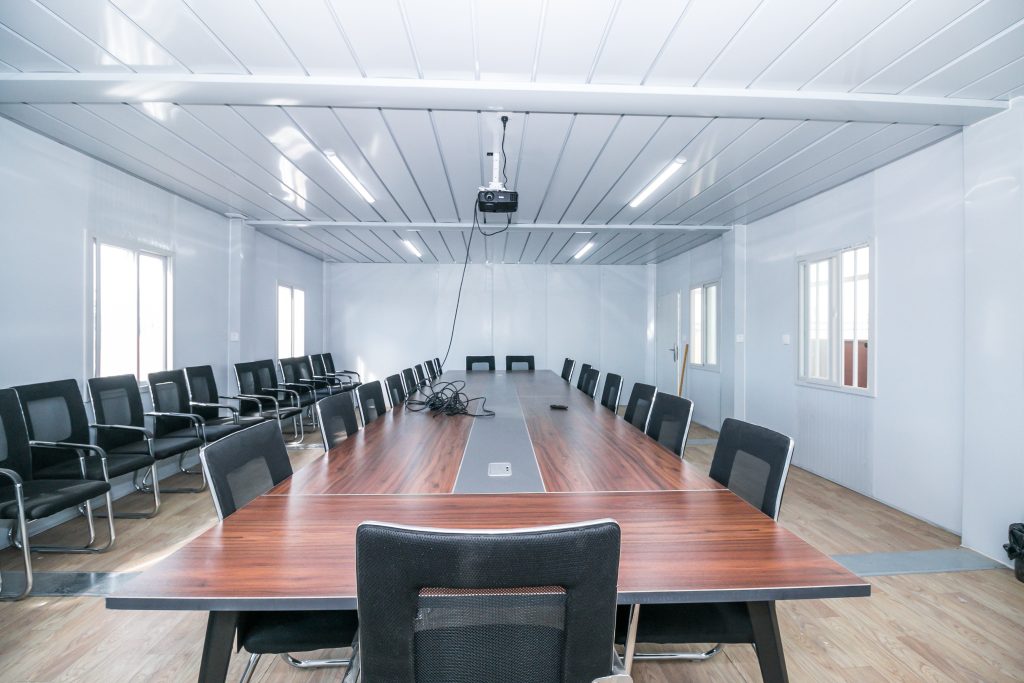
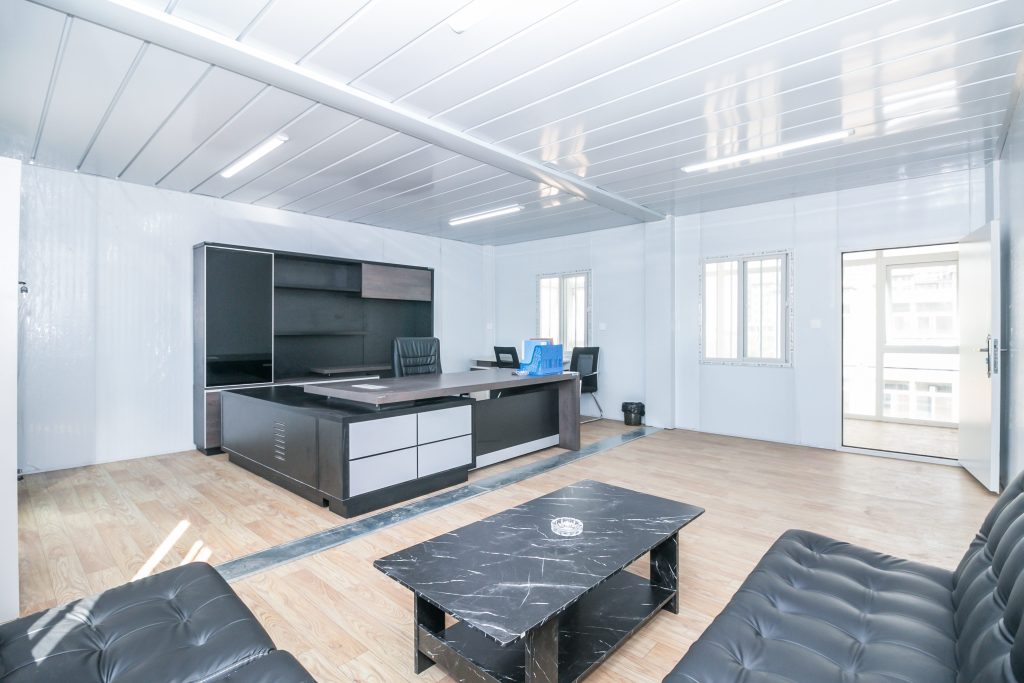
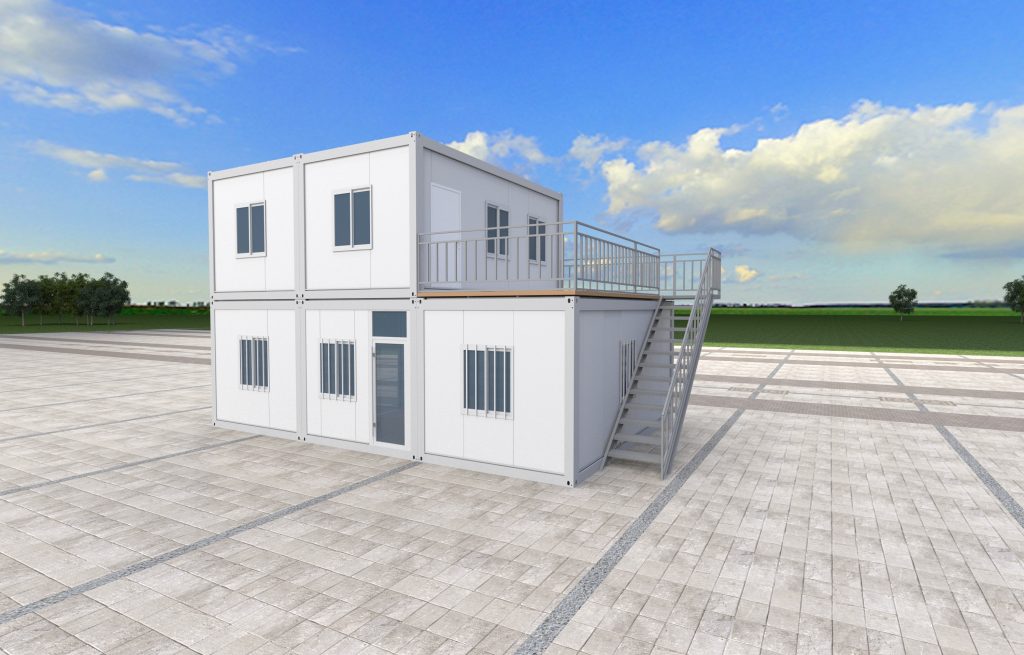
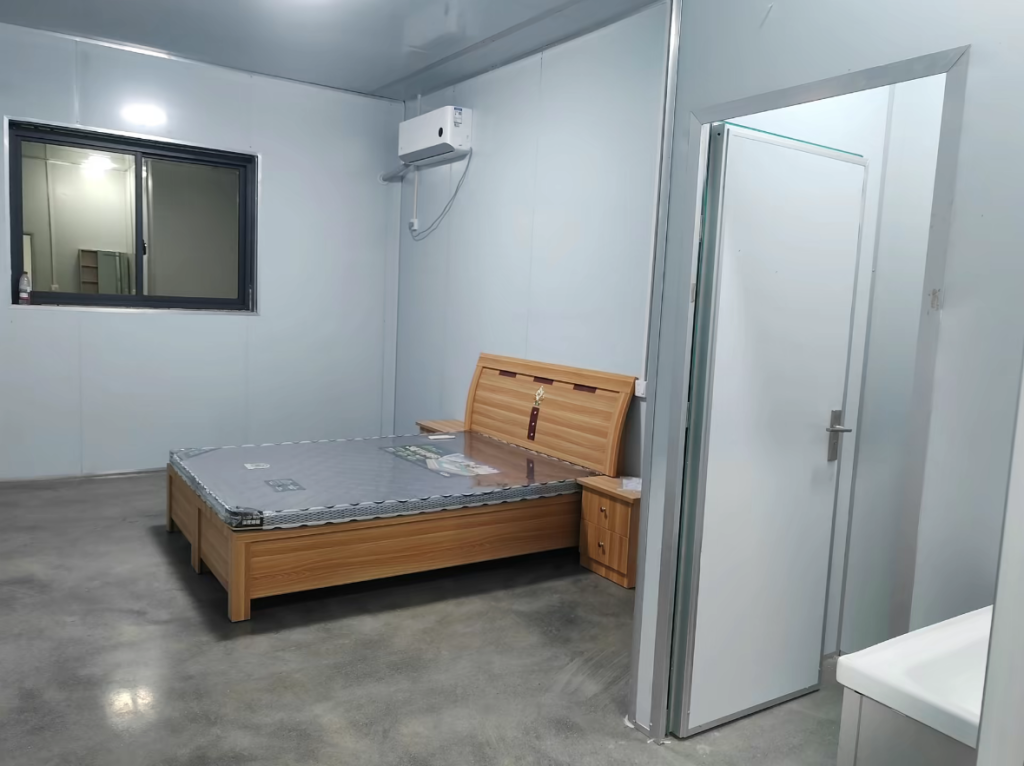
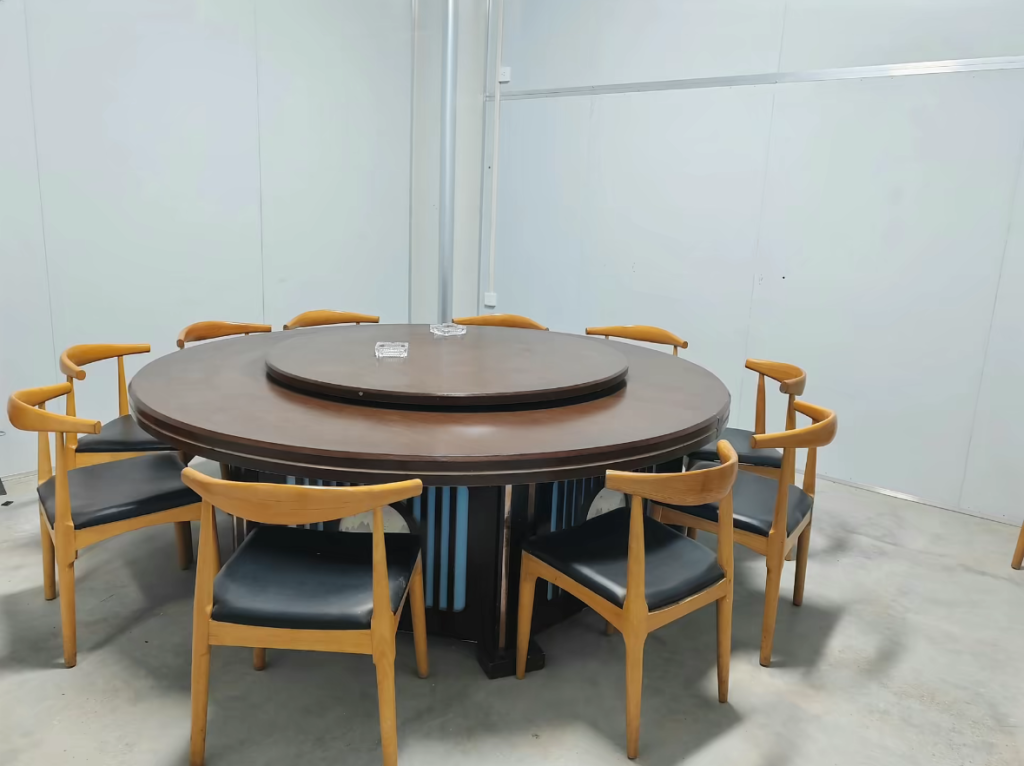
Typical uses include worker accommodation, site offices, meeting rooms, storage areas, and other essential support spaces that keep construction teams operating efficiently.
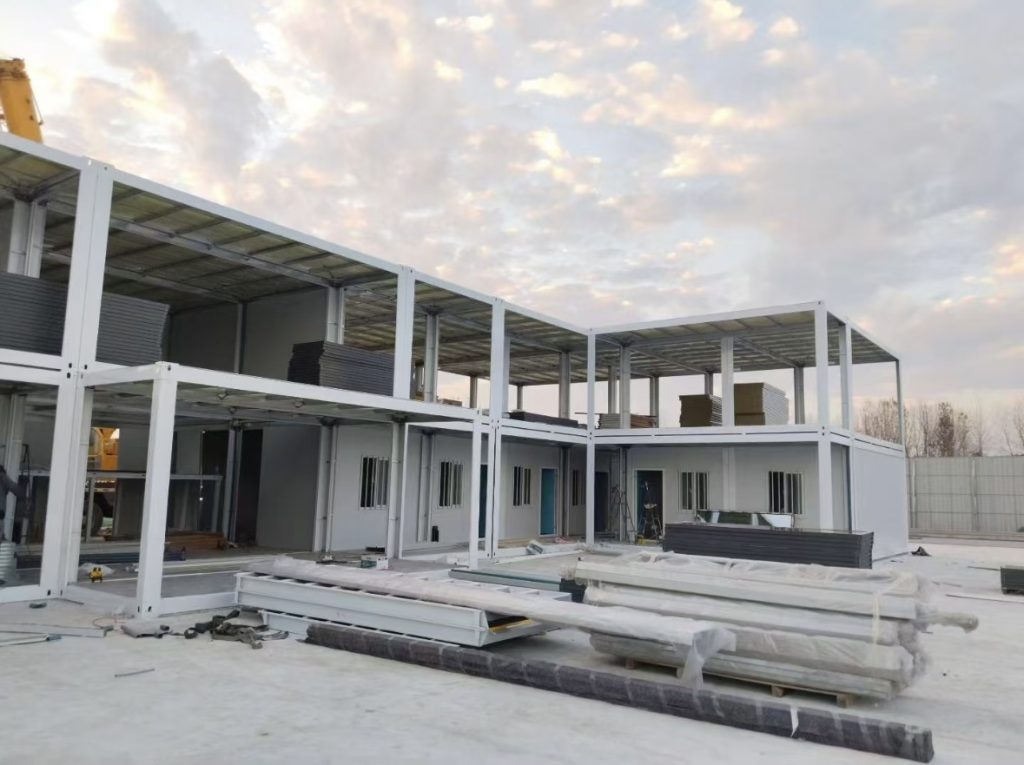
From a practical perspective, detachable systems are favored for their fast production cycles and stable structural performance. Units can be delivered in batches, installed in a repeatable manner, and repositioned as site layouts change during different construction phases.
As projects move forward, detachable container houses can be dismantled and relocated to new zones within the site, or prepared for transfer to the next project.
This makes them a reliable, controllable solution for construction companies that need facilities to evolve alongside the build itself.
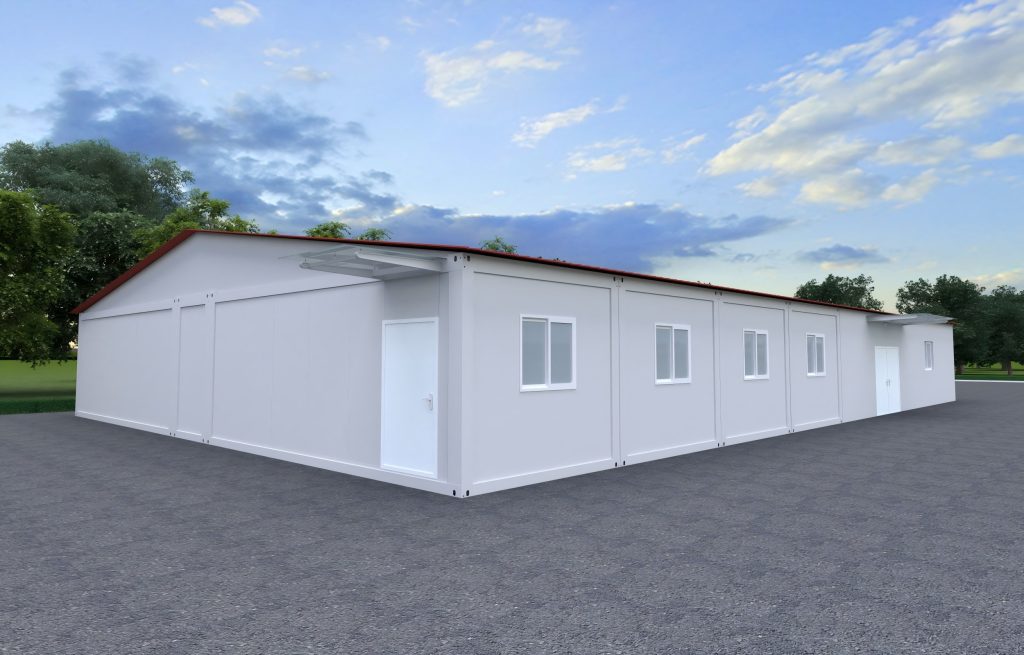
Foldable and flat pack container systems are typically selected for projects involving large labor crews or remote construction sites where logistics efficiency becomes a critical factor.
These systems are well suited for large-scale labor camps, infrastructure projects in remote areas, and construction sites with tight shipping schedules or limited container availability. Their design allows multiple units to be shipped in a single container, enabling batch deployment when large numbers of workers need to be accommodated within a short timeframe.
From a cost and logistics perspective, foldable and flat pack systems offer a balanced solution — combining reasonable structural performance with efficient transportation and predictable installation workflows.
For construction companies managing high headcount and extended site operations, these systems help control delivery timelines without overcomplicating on-site assembly.
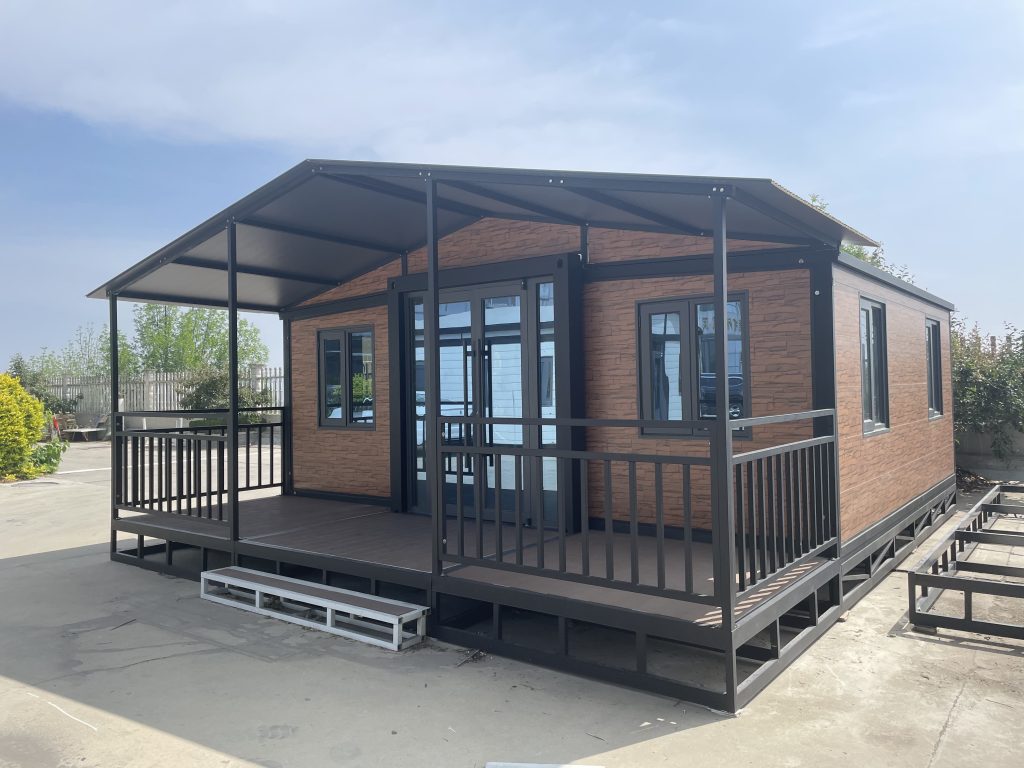
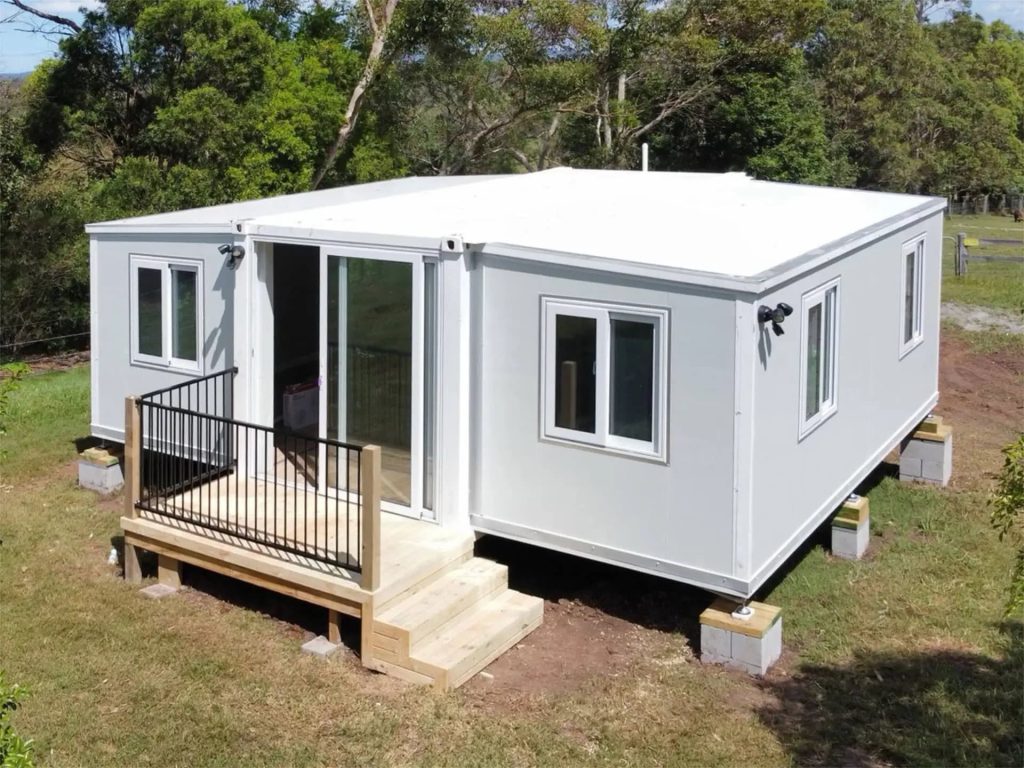
Foldable and flat pack Expandable container buildings are commonly used for site management offices, design review rooms, and temporary client-facing spaces where interior comfort and usable space matter more than packing density.
These units arrive in a compact form and are expanded on site, creating a significantly larger interior area with minimal on-site work. Once positioned on the foundation, expansion and fixing can be completed quickly, without the need for complex installation teams.
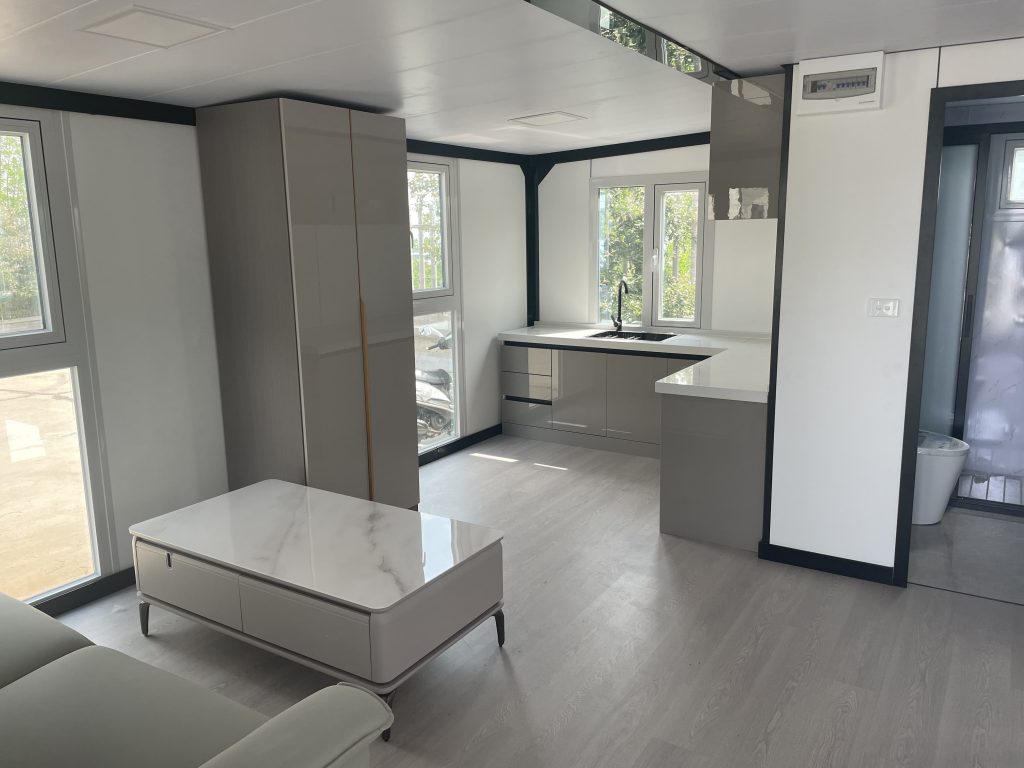
Expandable systems are particularly effective for construction projects that require flexible office space — such as coordination rooms, planning offices, or temporary meeting areas — while maintaining a clean appearance and professional working environment on site.
On active construction sites, individual buildings are never used in isolation.
Offices, worker accommodation, bathrooms, canteens, storage areas, and support facilities must operate together as a coordinated system.
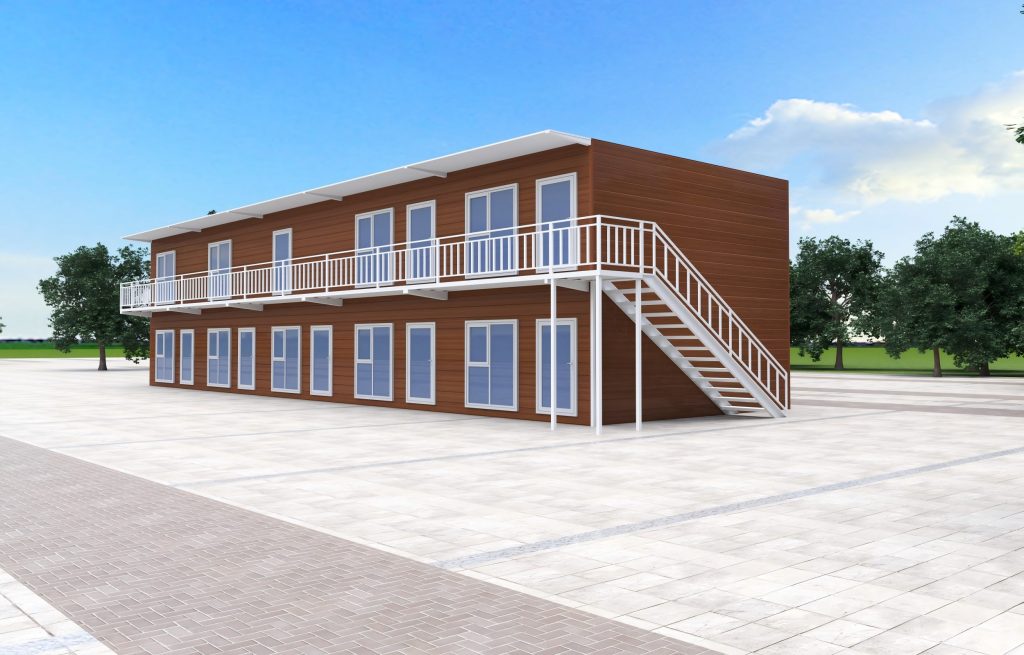
Modular container buildings allow construction companies to organize sites through functional zoning — separating work areas, living spaces, and service zones while maintaining clear circulation and safety boundaries. This makes daily operations more efficient and reduces unnecessary movement across the site.
Because modular layouts are planned as systems rather than fixed structures, future expansion can be considered from the very beginning. Additional dormitories, offices, or service units can be added as workforce size and project phases change, without disrupting ongoing construction activities.
Construction companies ultimately benefit from facilities that grow with the project, adapt to real site conditions, and can be removed once the work is done — instead of permanent buildings that limit flexibility and become obstacles later.
For construction companies, accommodation and office facilities must move at the same pace as the project itself — not become a bottleneck.
Modular buildings can be produced in parallel with ongoing construction work, allowing site preparation, civil works, and structural installation to proceed without waiting for permanent facilities to be completed. This parallel workflow helps keep manpower deployment, site management, and logistics running smoothly from early-stage construction through peak labor periods.
Batch delivery can be aligned with project milestones, such as workforce ramp-up, phase transitions, or site expansion. Instead of receiving everything at once, modules are delivered and installed according to actual on-site demand, reducing storage pressure and unnecessary handling.
With stable production capacity and predictable lead times, modular systems help construction companies reduce schedule risk and avoid delays caused by accommodation or office readiness. This coordination ensures that people, space, and progress stay synchronized throughout the project lifecycle.
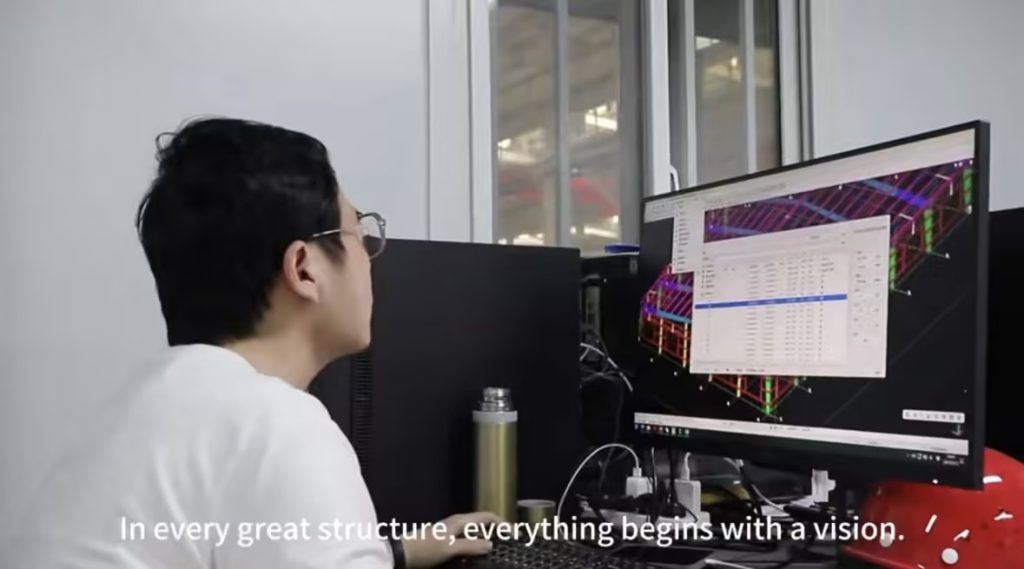
Our engineering support is focused on working alongside construction teams, not creating additional design complexity. Layout planning is developed based on site drawings and actual site conditions, ensuring offices, accommodation, and support spaces align with construction workflows and access requirements. Utility routing is coordinated according to local electrical, plumbing, and safety codes, allowing modular buildings to integrate smoothly with on-site infrastructure.
Different projects face different environments. Climate adaptation options are available for hot, cold, coastal, or high-humidity regions, and structural adjustments can be made for multi-storey or combined-unit use. This engineering support ensures modular buildings fit into the construction process — not the other way around.
Whether for short-term site setup or long-term project operations, modular building systems provide construction companies with flexibility, speed, and control.
No cookies in this category.
Your Privacy Choices
We use necessary cookies to keep this website working. With your permission, we also use analytics and advertising cookies to understand how the site is used, measure inquiries and improve our marketing. You can change your choice at any time. Privacy Policy Cookie Policy