
Modular Infrastructure for Government & Public Sector: Reliability, Compliance & Scalability
Public projects need clear specifications, documented materials and delivery plans that can be checked before work begins. ReachTop supplies modular buildings for temporary accommodation, site offices and support facilities. We can help plan unit layouts, production batches, transport and the technical documents required for project review.
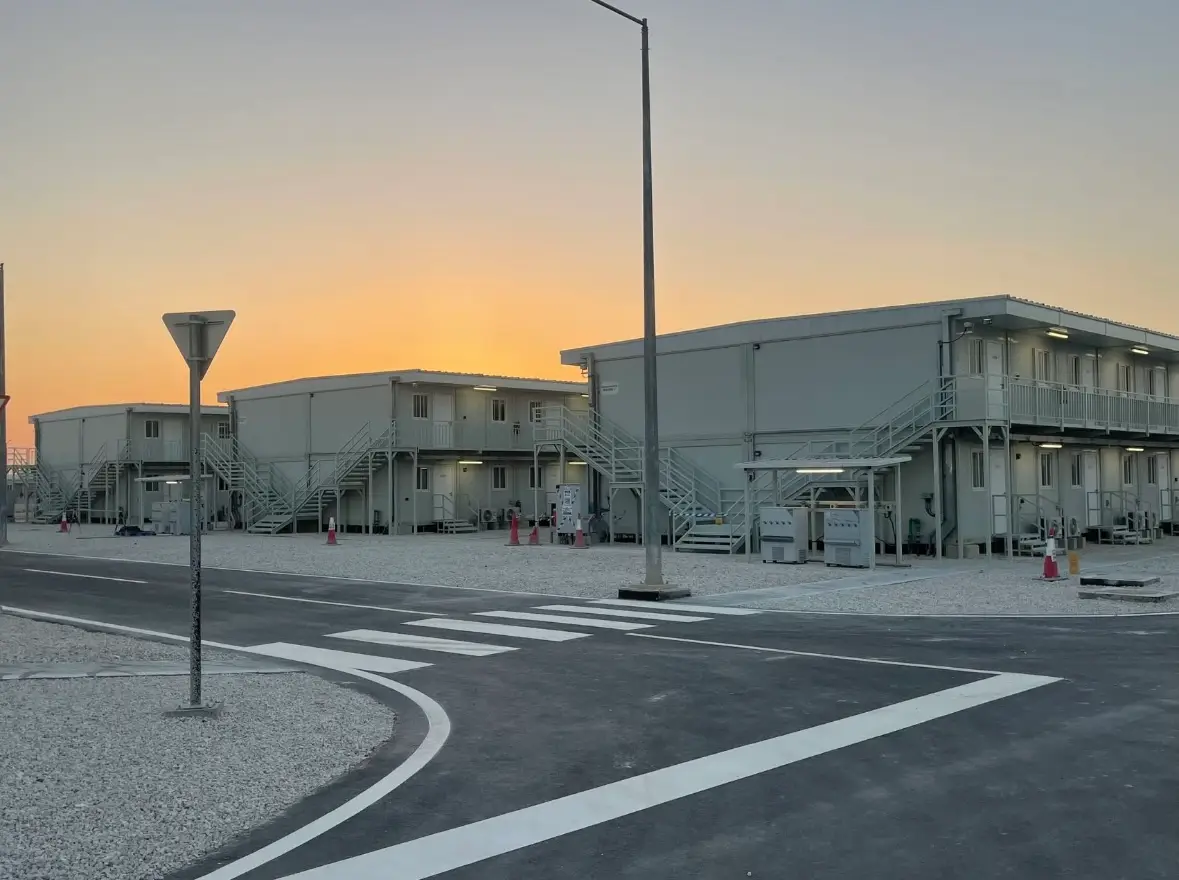
Understanding Public Project Risk — Where Decisions Are Won or Lost
Public-sector construction decisions are not judged by visual impact or short-term efficiency. They are judged by risk exposure. Every public project must withstand regulatory review, budget audits, operational scrutiny, and long-term public use — often long after the original decision-makers have moved on.
For government authorities, the real concern is not whether a building can be delivered, but whether it can be defended:
defended in procurement processes, defended during inspections, defended when usage conditions change, and defended under public accountability. Delays, deviations, or system failures translate directly into political, financial, and social consequences.
This is why modular infrastructure in public projects is evaluated not as a product, but as a delivery system — one that must offer predictable timelines, standardized performance, documented compliance, and repeatable deployment at scale.
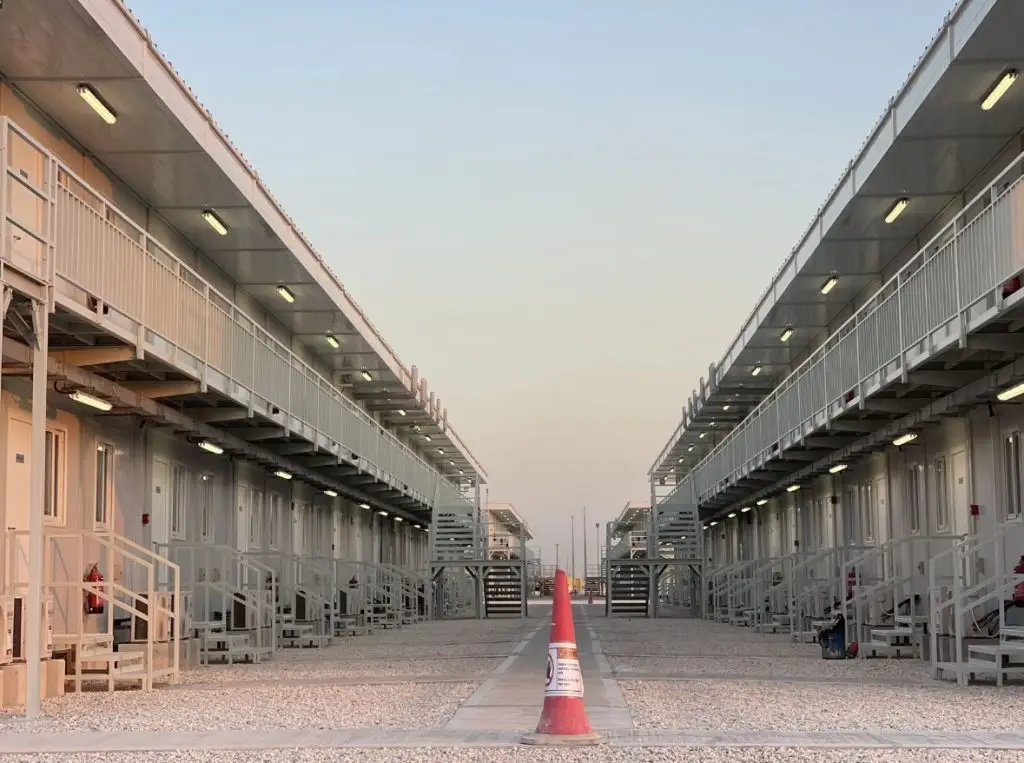
Typical Applications Across Government & Public Projects
Public Housing & Temporary Accommodation
- Emergency housing
- Transitional public housing
- Workforce accommodation for public works
Government Offices & Administrative Facilities
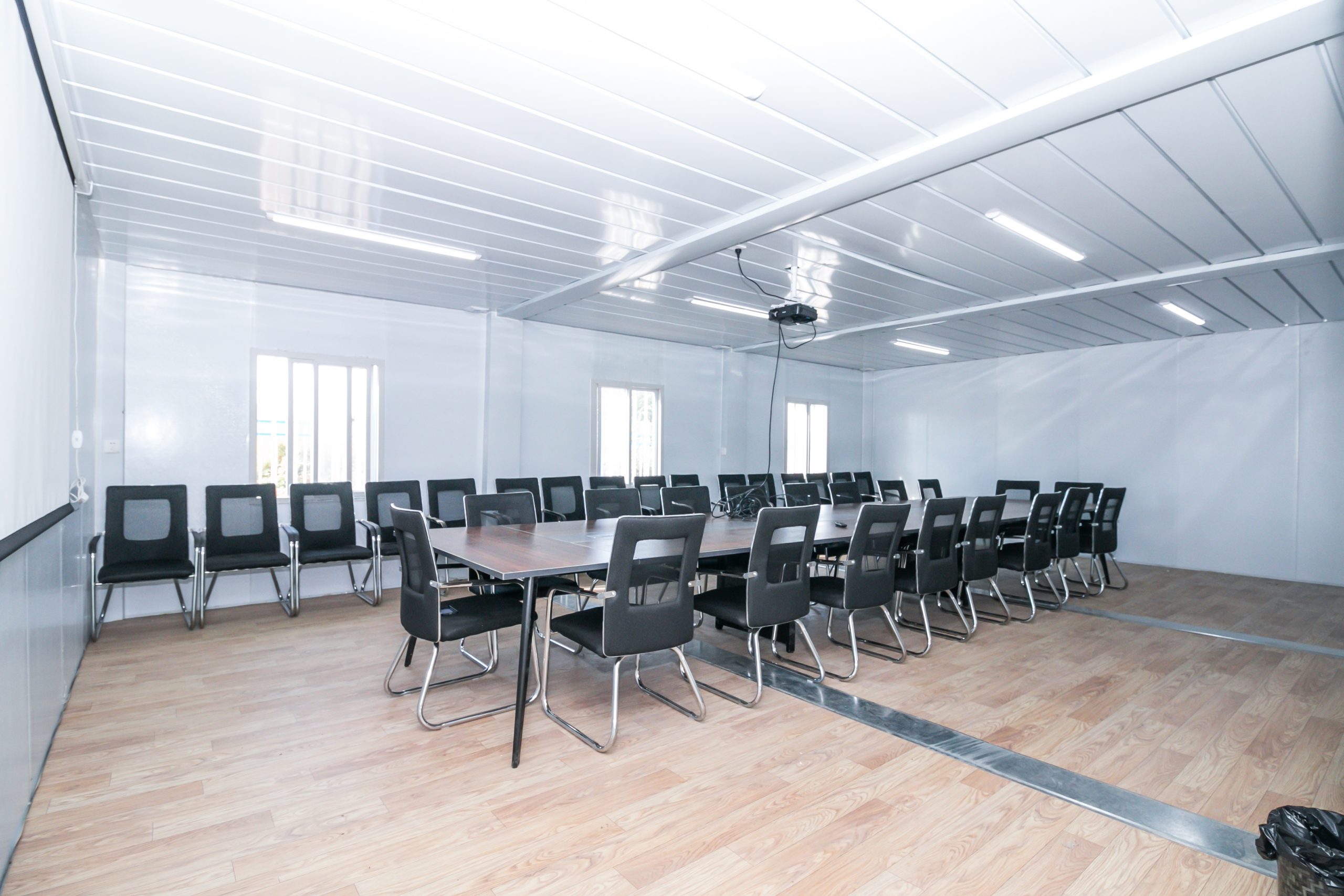
- Temporary government offices
- On-site administrative centers
- Project coordination buildings
Public Service & Support Facilities
- Medical support units
- Sanitation and bathroom blocks
- Command, monitoring, or coordination centers
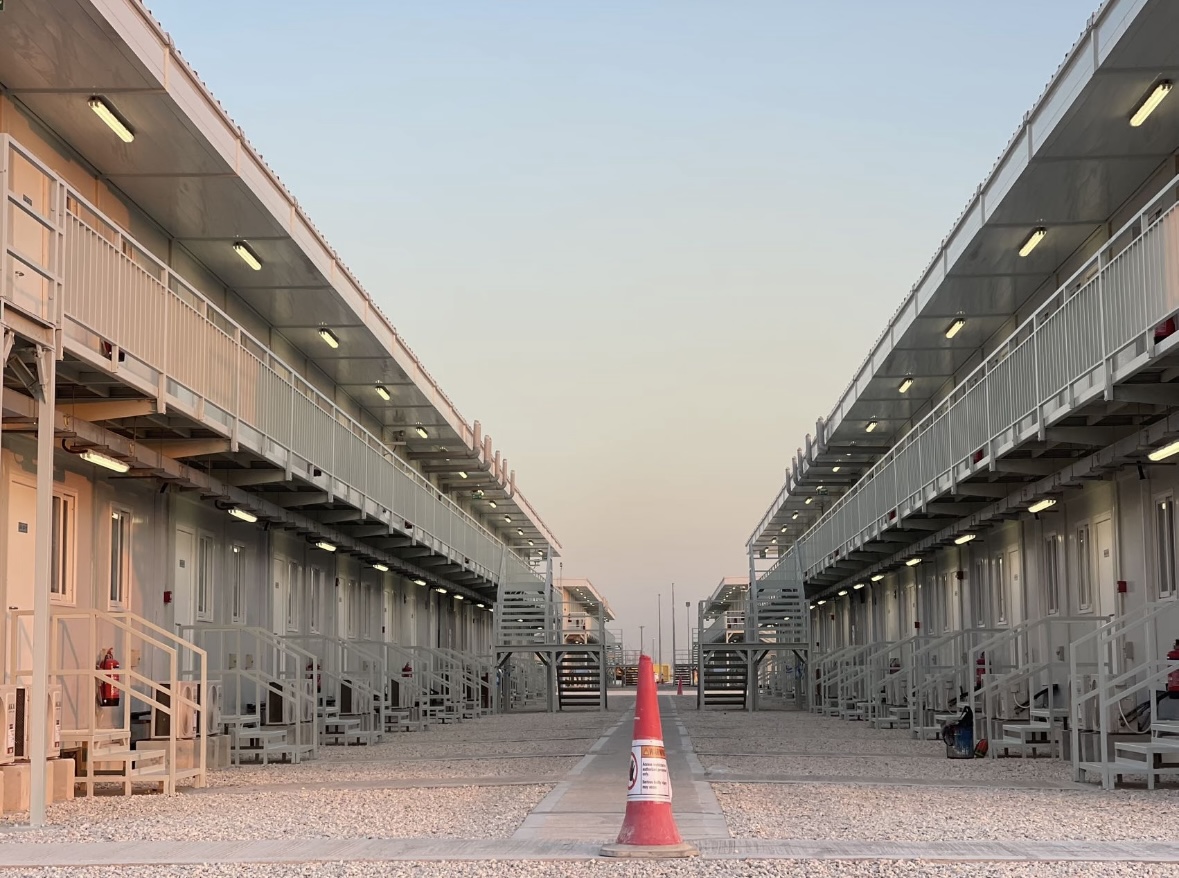
Modular Systems Used in Public Projects
Public-sector modular infrastructure is rarely built around a single building type.
Instead, it is deployed as a layered system, where different structural formats serve different functional roles within the same project — from mass accommodation to leadership and specialized operations.
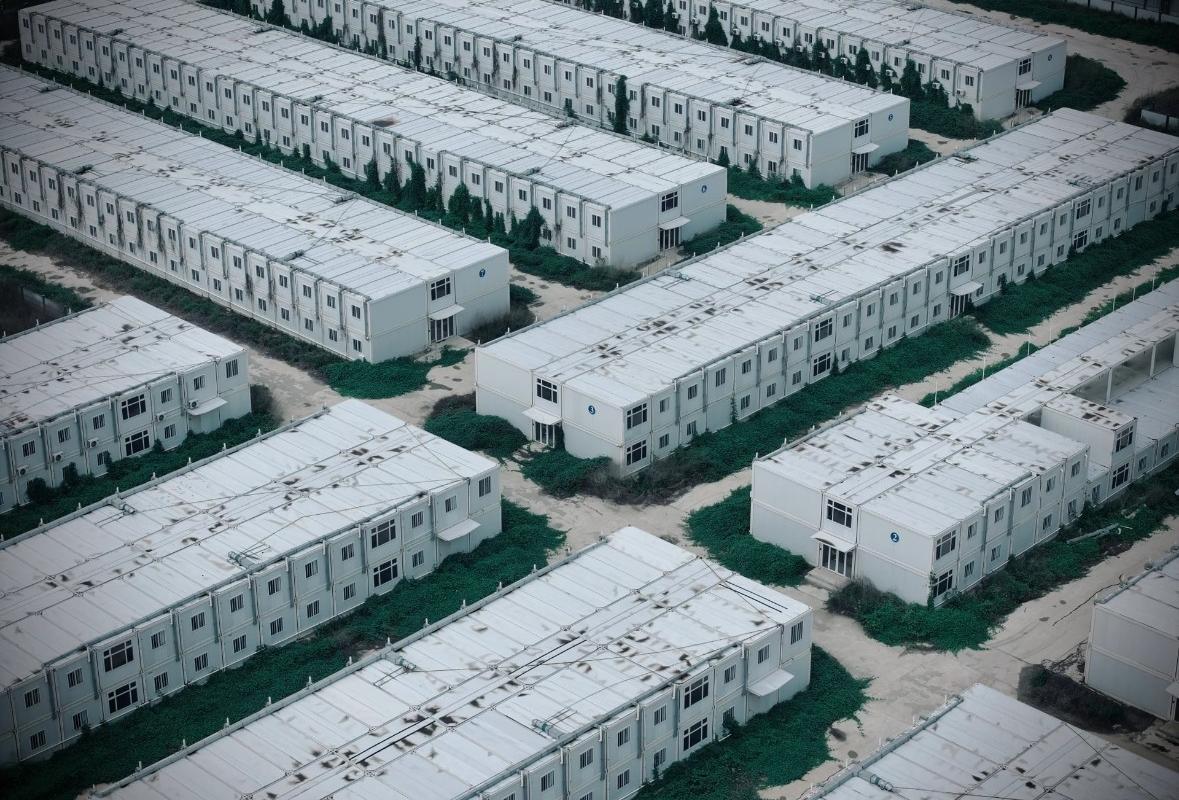
Detachable container houses are widely applied across public-sector projects as the primary functional units supporting daily operations and large-scale occupancy.
They are commonly used for large public accommodation programs, administrative offices, service buildings, and integrated sanitary or support blocks. Their structural stability and standardized configuration make them suitable for policy-driven deployment, where consistency, predictability, and phased implementation are essential.
With strong production capacity and controlled assembly logic, detachable systems allow authorities to expand, relocate, or reorganize facilities in line with evolving project stages — without disrupting overall operational order.
Detachable systems are commonly used as the backbone of public modular infrastructure due to their balance of speed, durability, and control.
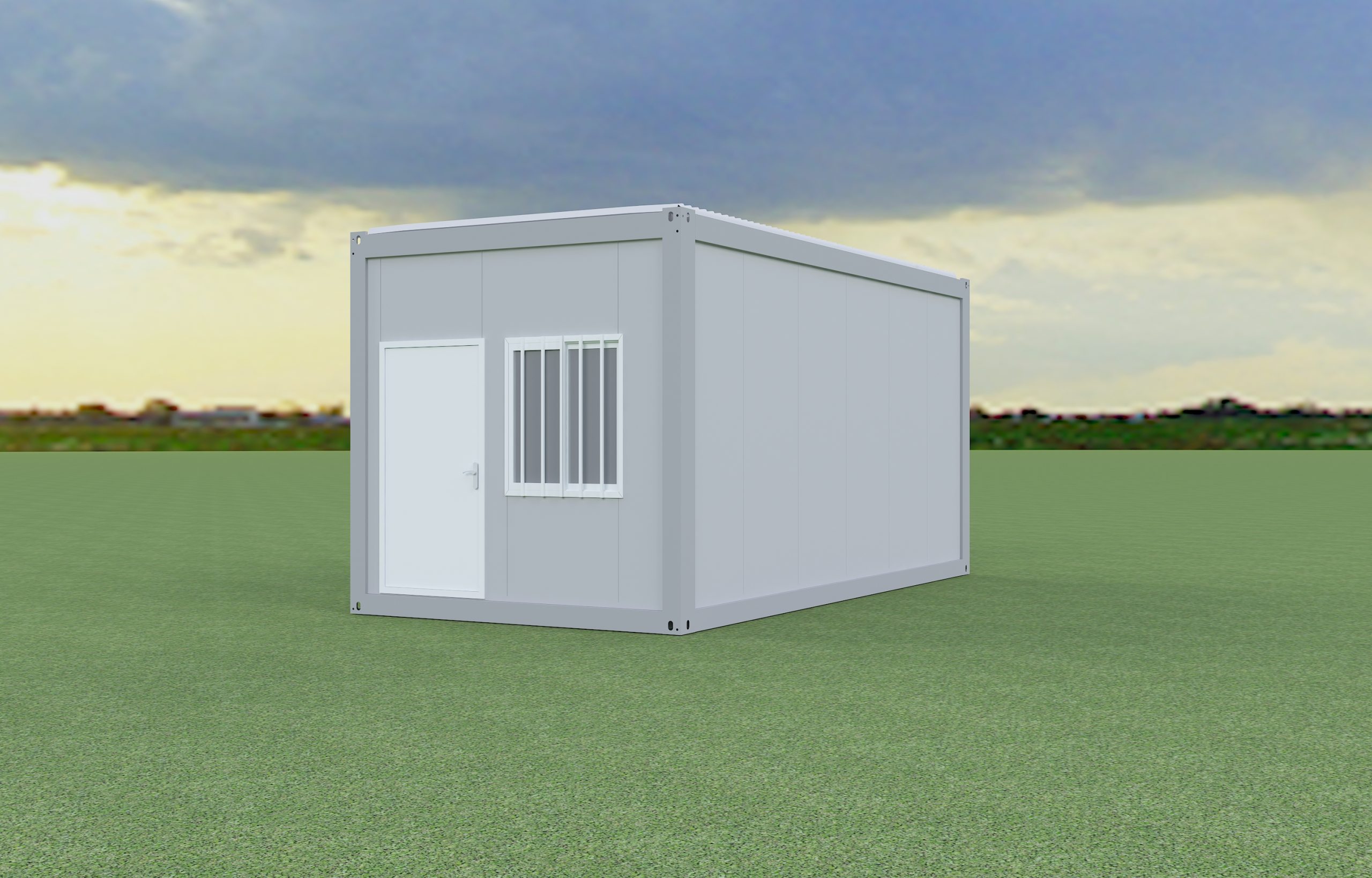
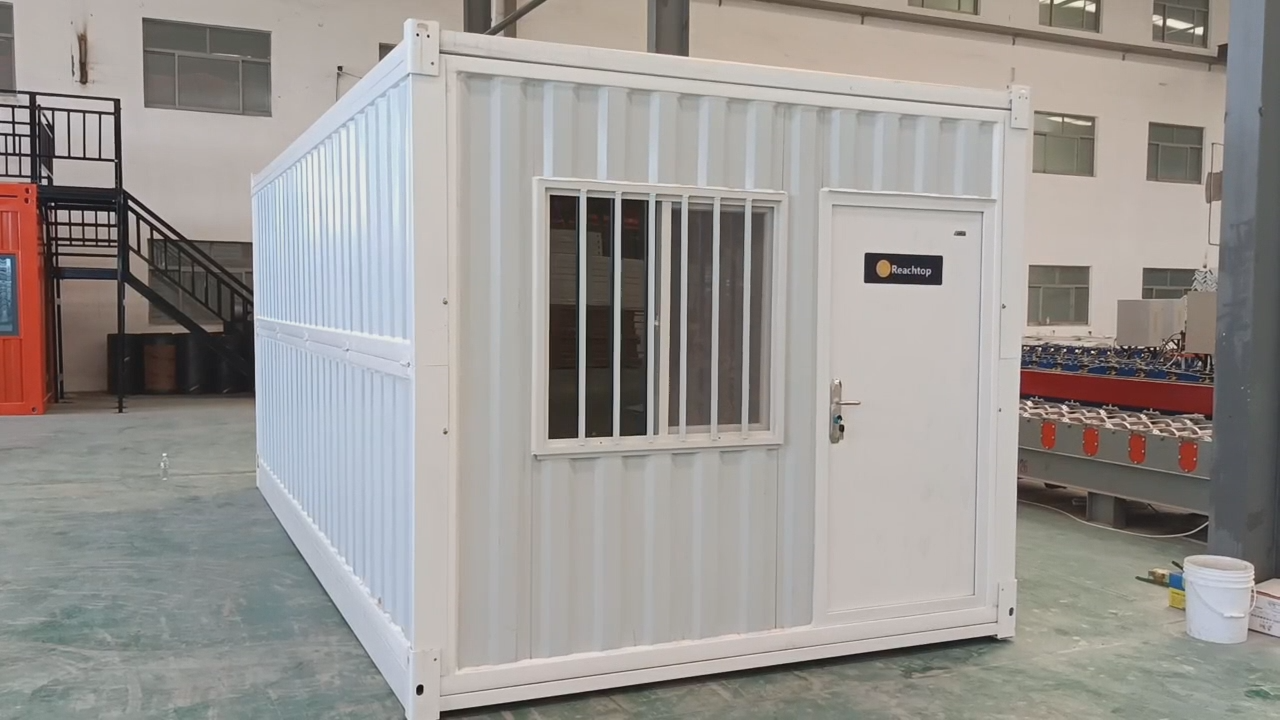
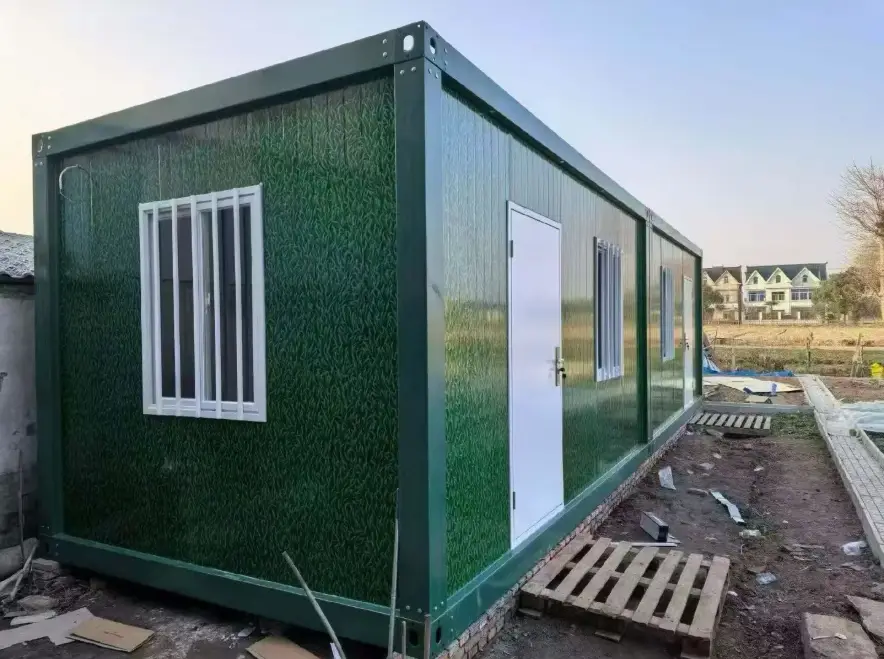
Foldable and flat pack systems play a strategic role in public projects where logistics efficiency defines feasibility.
They are frequently applied in projects facing transport constraints, remote or island-based deployments, and large-volume government procurement programs that require strict cost and shipping control. Their optimized container loading efficiency enables batch delivery and centralized production, making them particularly suitable for high-density rollouts under fixed budgets and timelines.
In public-sector planning, these systems are often selected not for maximum comfort, but for their ability to move large quantities of compliant space through limited logistical channels with minimal uncertainty.
Apple Cabin & Space Capsule Units
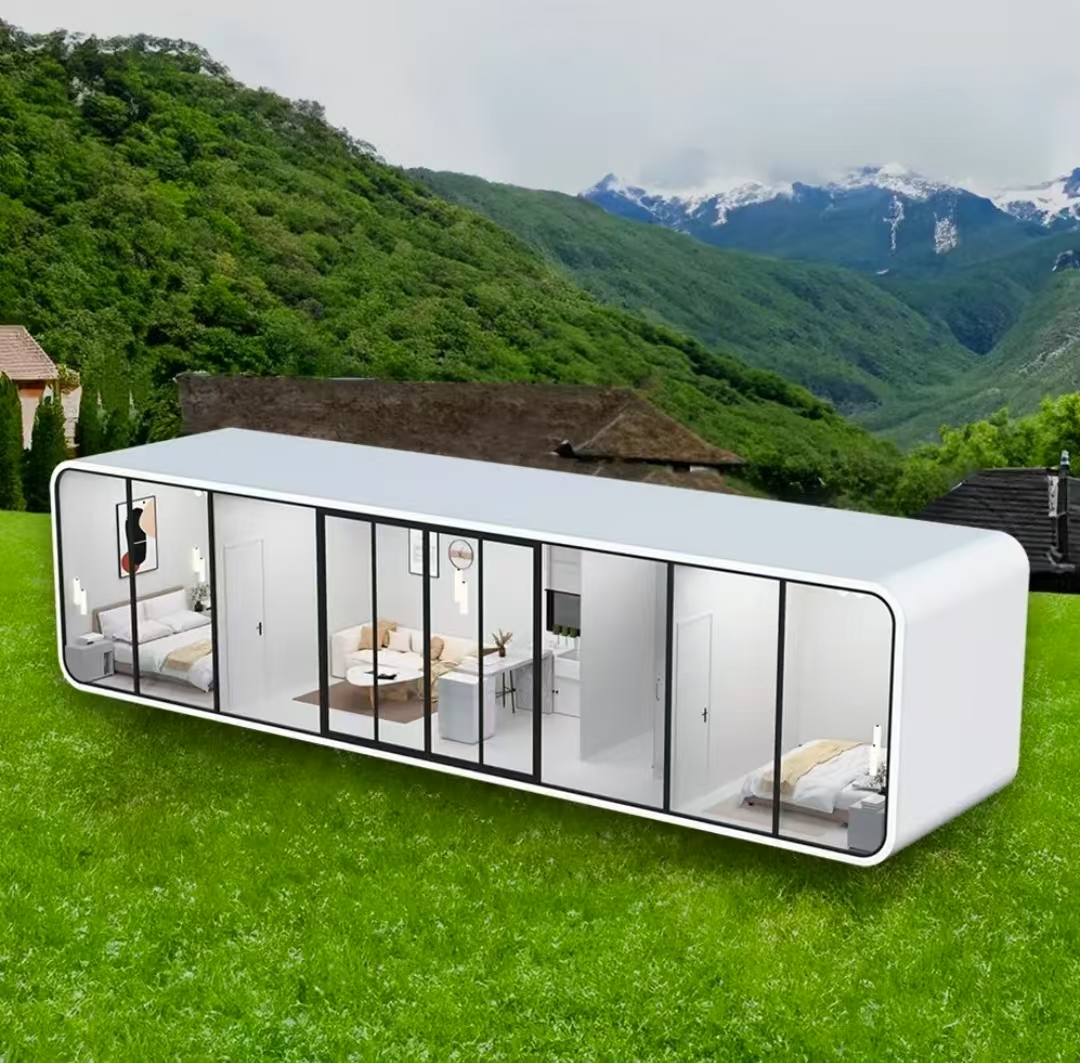
Apple cabin and space capsule units are typically reserved for non-standard public roles that require higher levels of privacy, finish quality, and functional independence.
They are used for government leadership accommodation, medical experts, and high-level coordination or command personnel operating within larger public projects. These units are delivered with fully finished interiors, and optional smart systems can be integrated to support specialized operational requirements.
These units are not designed for mass deployment, but for leadership, coordination, and specialized public service roles.

Compliance, Standards & Phased Deployment for Public Modular Projects
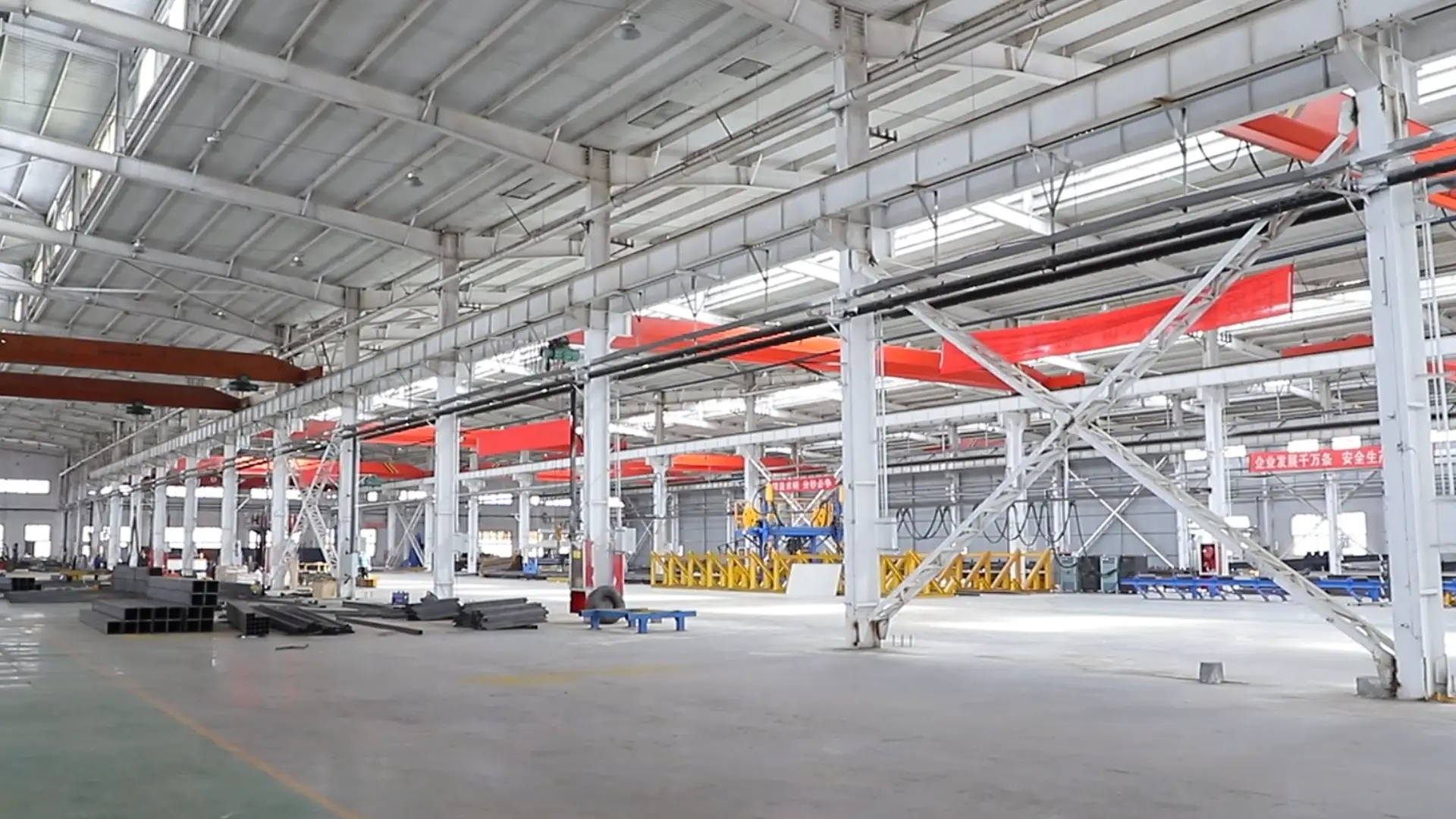
Public-sector projects require strict compliance with local building codes, fire safety rules and public occupancy standards, where safety, accountability and standardized risk control are essential. Modular construction minimizes on-site uncertainties by completing core production in a controlled factory environment, with standardized structures, materials and installation processes, as well as consistent, auditable technical documentation to support inspections and official approvals. Since public infrastructure projects advance in parallel phases including site preparation, workforce mobilization and infrastructure setup, modular solutions enable flexible phased delivery: units are prefabricated off-site during site development and installed in verifiable batches, allowing step-by-step, predictable and fully compliant deployment for public project milestones.
Deployment Logic for Public Projects
- Professional public flow and layout planning optimizes spatial circulation and room design for government, medical, and educational scenarios.
- Standard-compliant M&E, water and sanitary systems are factory pre-integrated to achieve seamless on-site connection for public buildings.
- Custom environmental adaptation with tailored insulation and corrosion resistance ensures stable service life in high-altitude, tropical and salt-spray regions.
- Rigorous structural scalability supports multi-unit expansion and multi-storey stacking to adapt to future public project upgrades.
Discuss Your Public Project Requirements
From emergency housing to administrative facilities, our modular systems are engineered to meet the practical, regulatory, and operational demands of government and public-sector projects.