
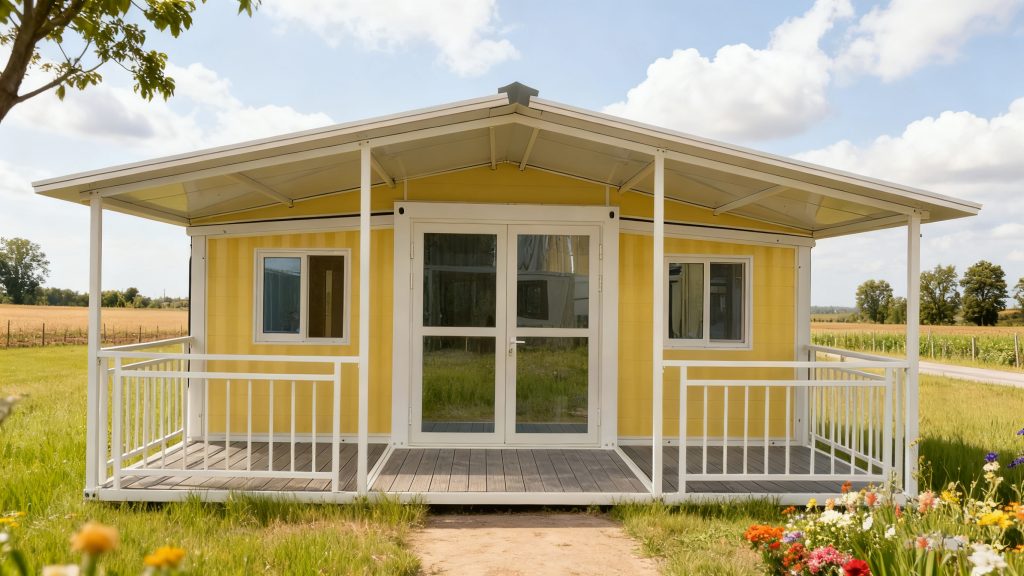
In the past few years, prefabricated housing has become one of the hottest topics in the global construction industry.
From Europe to Australia, from North America to Southeast Asia, everyone seems to be talking about faster construction, lower labor dependency, and greener building solutions.
At first glance, prefabricated housing sounds like the future.
But after several years of real-world application, many buyers and developers have started to ask a more honest question:
Is prefabricated housing really cheaper, safer, and more sustainable than traditional construction?
The answer, surprisingly, is not always.
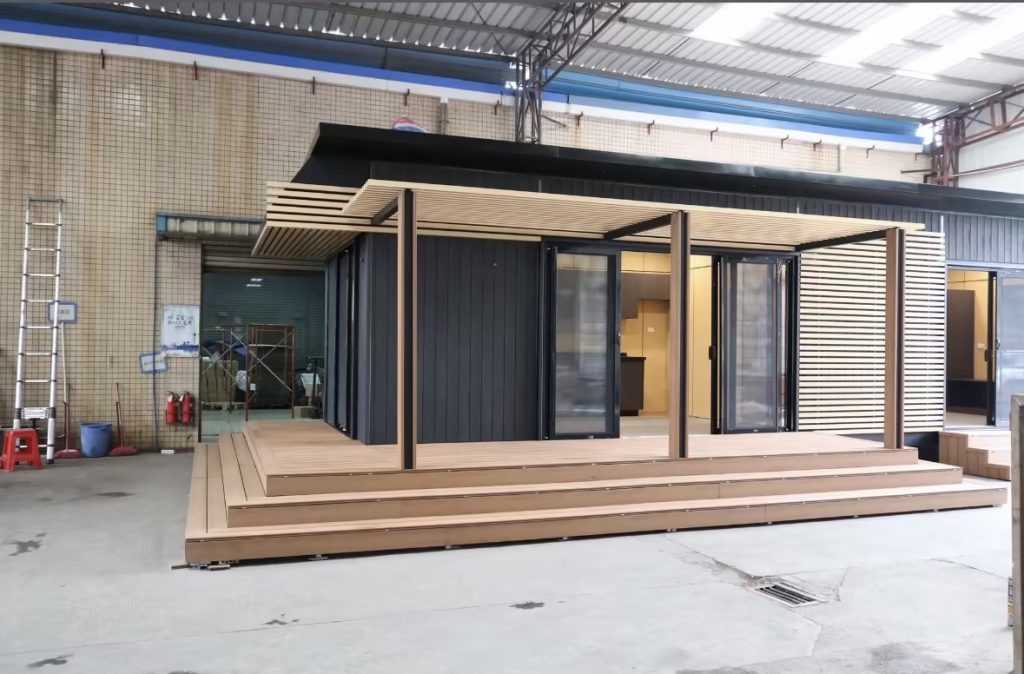
The Reality Check: Prefabricated Housing Is Not a Magic Solution
After years of implementation, the industry has gradually discovered several inconvenient truths:
Cost savings are often overstated
In many regions, prefabricated buildings do not significantly reduce total project costs compared to cast-in-place concrete structures. Factory production, logistics, local compliance, and installation costs often offset the expected savings.Environmental benefits are questionable
Prefabrication is frequently marketed as “green,” yet heavy steel usage, long-distance transportation, and energy-intensive manufacturing weaken that claim in many cases.Safety and long-term performance still need validation
Especially for residential use, structural durability, fire resistance, insulation performance, and long-term maintenance remain under scrutiny.
For these reasons, prefabricated housing has not replaced traditional buildings on a large scale.
And most importantly:
Very few people choose prefabricated housing as their first and permanent home.
This is where the conversation changes.
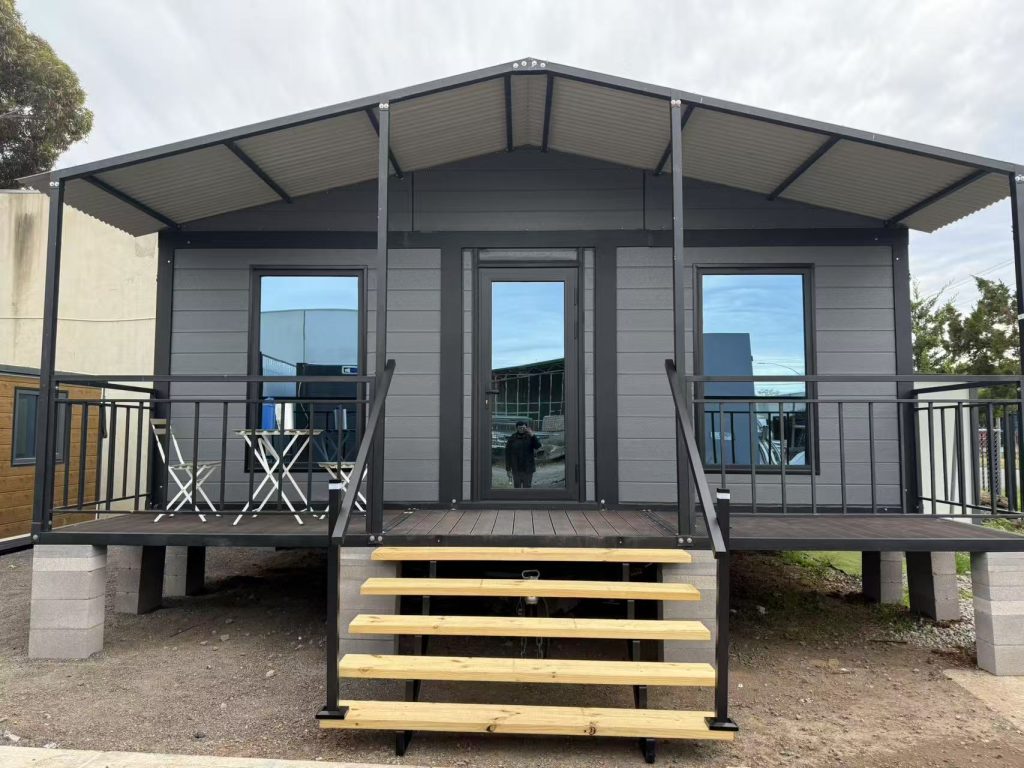
Container Houses Are Different — Because They Are a Second Choice
Prefabricated container houses work well precisely because they are not positioned as permanent residential housing.
In reality, container houses are used as:
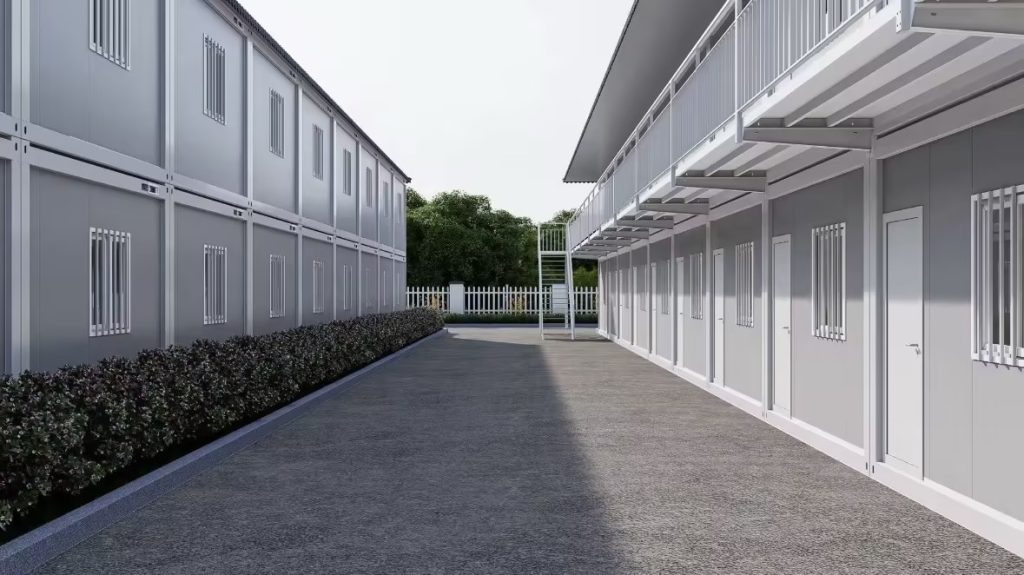
Worker accommodation
Construction site camps
Temporary offices
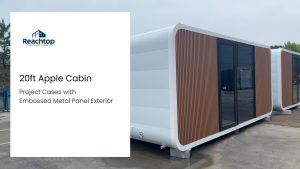
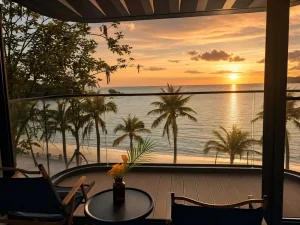
Resorts and vacation cabins
Emergency or transitional housing
Remote area housing solutions
Once you remove the expectation of permanent living, the advantages of container houses become extremely clear.
And when these container houses are sourced from China, those advantages are amplified.
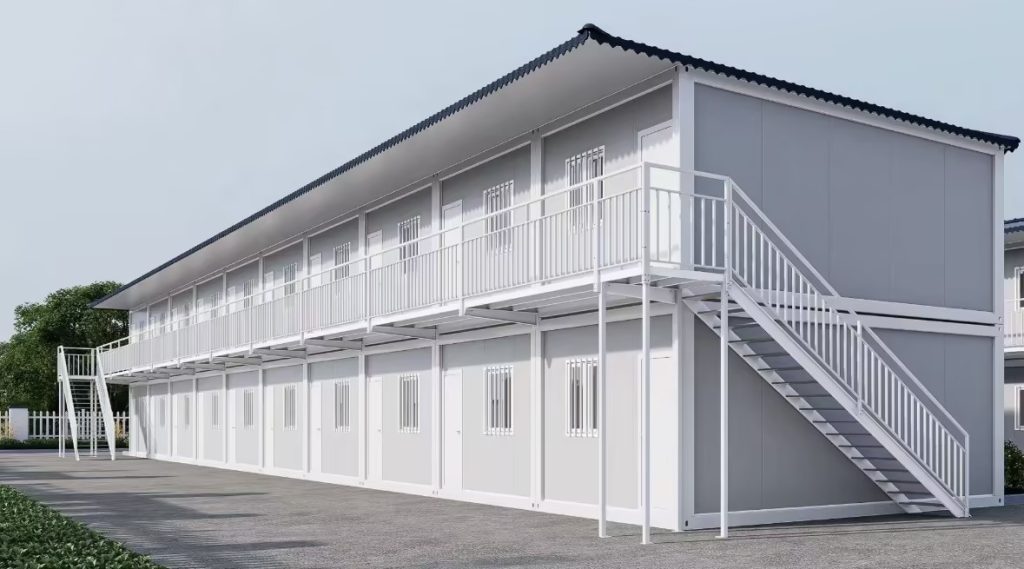
Why Importing Prefabricated Container Houses from China Makes Sense
1. All Complex Work Is Done Inside the Factory
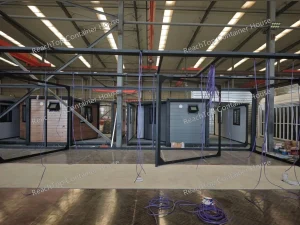
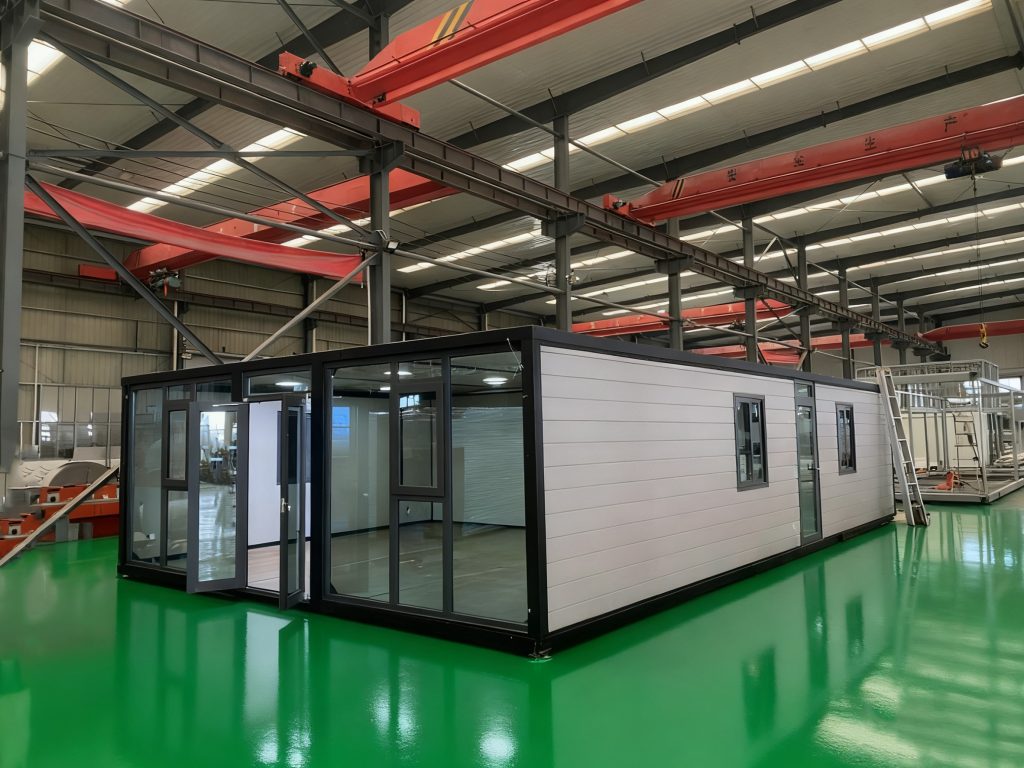
Modern container houses are almost entirely pre-engineered and pre-manufactured in Chinese factories.
Structural welding
Wall and roof systems
Electrical and plumbing preparation
Doors, windows, insulation, and finishes
All of this happens before shipping.
Thanks to China’s mature supply chain and low labor costs, manufacturers can complete complex processes efficiently and consistently — something that is difficult and expensive to replicate overseas.
2. Extremely Efficient Transportation
Unlike traditional prefabricated buildings, container houses are designed with logistics in mind.
Most container houses can be flat-packed or detachable
Multiple units can be loaded into one 40HQ container
Shipping cost per unit is dramatically reduced
For overseas buyers, this alone often determines whether a project is feasible or not.
3. Rapid Quality Improvement in the Last Two Years
One overlooked reality is that Chinese container house quality has improved dramatically in recent years.
Why?
Because China’s domestic construction market has slowed, and thousands of factories have shifted aggressively toward export markets.
This forced manufacturers to:
Meet international standards
Improve structural design and material selection
Learn overseas project requirements
Upgrade production consistency and documentation
In a very short time, many factories have internationalized at an almost rocket-like speed.
4. Price Still Matters — and China Wins Here
For most container house applications, price is not a minor factor. It is a deciding factor.
Typical price ranges today:
20ft container houses for camps or site use
USD 1,000 – 1,500 per unit20ft container houses for personal use, resorts, or scenic areas
USD 7,000 – 15,000 per unit, depending on configuration
At this price level, container houses are not competing with permanent buildings.
They are competing with time, labor, and project efficiency.
And in that comparison, they win.
The Right Way to Understand Prefabricated Container Housing
Prefabricated housing may be overrated when positioned as a long-term residential replacement.
But prefabricated container housing, when used correctly, delivers exactly what it promises:
Speed
Cost control
Scalability
Predictable quality
Flexible deployment
The key is not to ask container houses to be something they are not.
They are not meant to replace traditional homes.
They are meant to solve practical problems — quickly and efficiently.
And for that purpose, sourcing container houses from China is not a compromise.
It is often the most rational decision.
Final Thought
In construction, there is no perfect solution — only the right solution for the right scenario.
If your project requires:
Fast deployment
Controlled budget
Temporary or semi-permanent use
Scalable quantities
Then prefabricated container houses from China are not just an option —
they are one of the smartest choices available today.