
Detachable container houses have become one of the most practical modular building solutions in recent years.
They are not designed to replace permanent residential buildings, but to solve real-world problems—fast deployment, cost control, and flexible use.
If you are planning to purchase detachable container houses for a project, camp, or commercial use, this guide will walk you through the entire process step by step, based on real factory-side experience.
What Is a Detachable Container House?
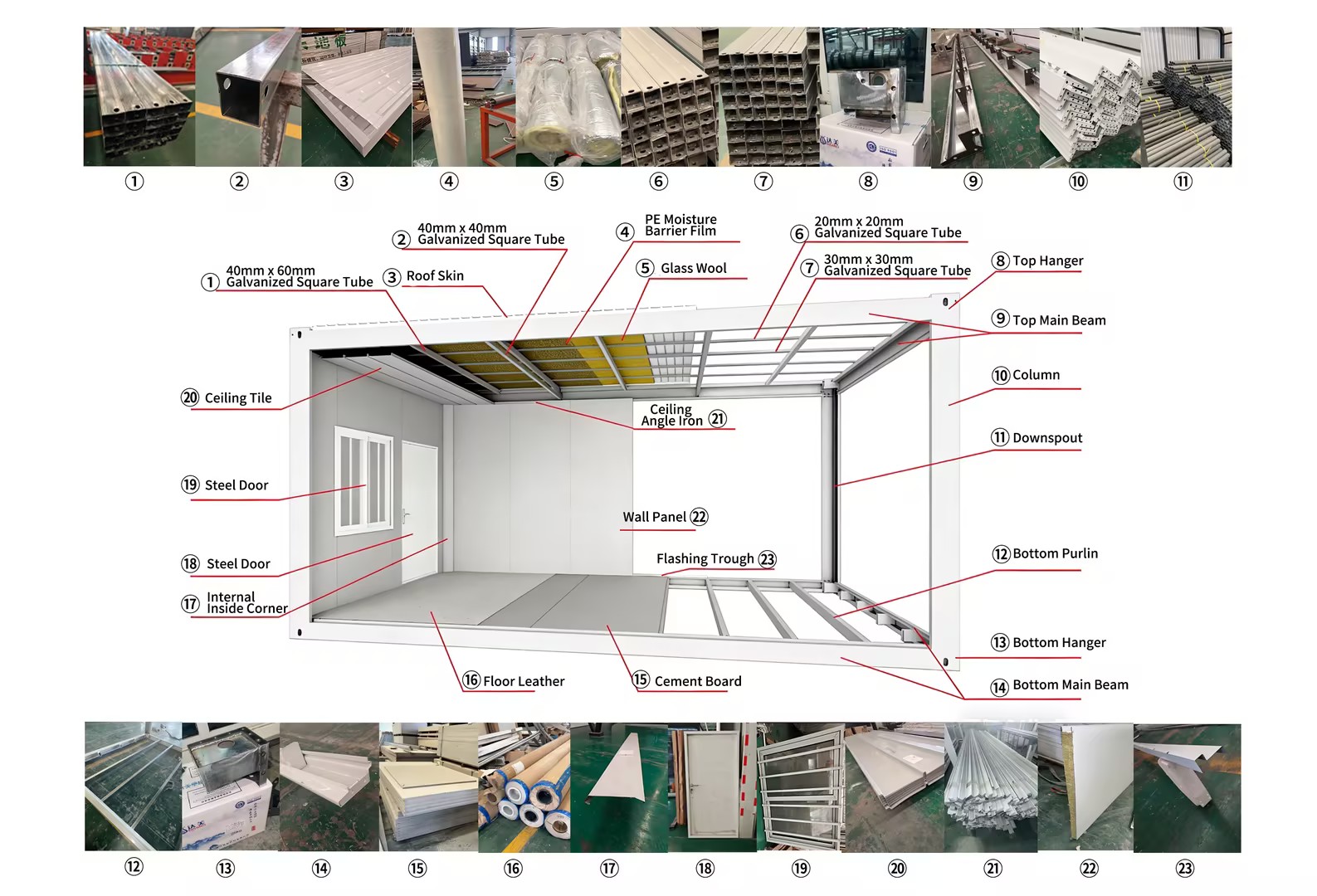
A detachable container house is a modular building system where the structural components, wall panels, roof, and accessories are separated for transportation and assembled on site.
Unlike foldable or expandable container houses, detachable units are designed to:
-
Maximize loading quantity in containers
-
Reduce shipping cost per unit
-
Allow flexible configuration and layout
-
Be suitable for bulk orders and large-scale projects
Typical Application Scenarios
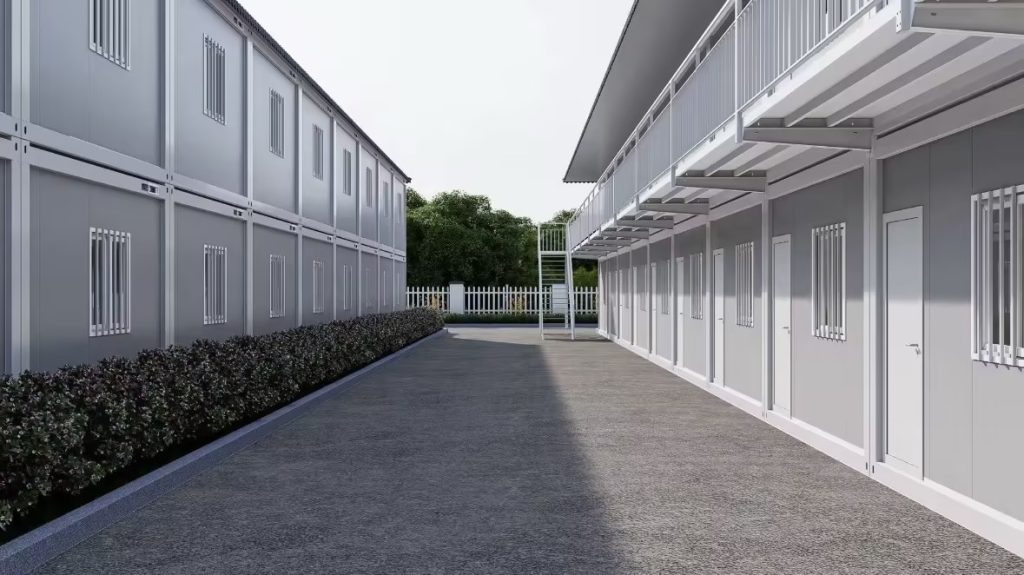
Detachable container houses are widely used for:
-
Construction site camps
-
Worker accommodation
-
Temporary offices
-
Mining and infrastructure projects
-
Emergency or transitional housing
-
Resorts and remote area buildings
They are especially popular in projects where quantity, logistics efficiency, and budget control matter more than luxury finishes.

Common Payment Terms
Most professional manufacturers follow clear and simple payment terms:
-
30% deposit before production
-
70% balance payment before shipment
Accepted payment methods usually include:
-
T/T (Telegraphic Transfer)
-
Alibaba Trade Assurance (for buyers who prefer platform protection)
These terms are standard in international container house trade and widely accepted by experienced buyers.
Step-by-Step Purchasing Process
Step 1: Find the Right Supplier
The most important step is not price—it is choosing the right type of supplier.
You should prioritize:
-
Real manufacturers, not trading-only companies
-
Factories with export experience
-
Suppliers who can provide drawings, specifications, and project references
A reliable supplier should be willing to discuss structure, loading plan, and installation—not just send a price list.
Step 2: Confirm Configuration, Price, and Trade Terms
Before discussing price, confirm the configuration clearly:
-
Unit size and layout
-
Steel structure thickness
-
Wall and roof materials
-
Insulation type
-
Doors, windows, electrical system
-
Quantity per 40HQ container
At the same time, agree on the trade term, such as:
-
EXW
-
FOB
-
CIF
This avoids misunderstandings about responsibility, shipping cost, and risk.
Step 3: Supplier Issues the Proforma Invoice (PI)
Once configuration, quantity, price, and trade terms are confirmed, the supplier will issue a Proforma Invoice (PI).
The PI should clearly include:
-
Product description and specifications
-
Unit price and total amount
-
Payment terms
-
Production time
-
Trade term and port
-
Validity period
Both sides should carefully review and confirm the PI before proceeding.
Step 4: Pay the Deposit
After PI confirmation, the buyer pays the 30% deposit.
This officially starts the order and allows the supplier to:
-
Prepare materials
-
Schedule production
-
Allocate labor and workshop space
Step 5: Production Phase
For standard detachable container house orders:
-
Orders below 300 units are typically completed within 10 working days
-
For urgent projects, expedited production may be possible upon discussion
During production, a professional supplier should be able to:
-
Provide progress updates
-
Share production photos or videos
-
Confirm final packing and loading plans
Step 6: Pay the Balance
After production is completed and before shipment, the buyer pays the remaining 70% balance.
Some buyers choose to:
-
Inspect via photos/videos
-
Appoint a third-party inspection company
-
Conduct a remote factory inspection
All are acceptable practices in international trade.
Step 7: Shipment
Once the balance is received:
-
Goods are packed according to container loading plan
-
Containers are sealed and shipped
-
Shipping documents are prepared (packing list, invoice, BL, etc.)
Efficient packing is a major advantage of detachable container houses, as more units can be shipped in one container.
Step 8: Receiving the Goods
After arrival at the destination port:
-
Buyer clears customs
-
Containers are delivered to site
-
Units are unloaded and prepared for installation
A good supplier will also provide:
-
Installation manuals
-
Assembly drawings
-
Online technical support if needed
Additional Buying Tips from Real Experience
-
Do not chase the lowest price blindly
Extremely low prices often mean thinner steel, poor welding, or missing components. -
Ask about container loading quantity early
This has a huge impact on total landed cost. -
Clarify installation responsibility
Detachable houses require simple assembly, but clarity avoids delays. -
Think in terms of total project cost, not unit price
Shipping, labor, and installation efficiency often matter more than a small price difference.
Final Thoughts
Purchasing a detachable container house is not complicated—but it requires clarity, structure, and the right partner.
When sourced from an experienced manufacturer, detachable container houses offer:
-
Predictable quality
-
Efficient logistics
-
Flexible configuration
-
Strong cost control for projects
If you understand what they are designed for—and use them in the right scenarios—they remain one of the most practical modular building solutions available today.