
Expandable container houses are not designed to replace traditional homes — and anyone telling you otherwise is overselling the product.
If you are looking for a permanent residential building, built on-site with local materials and designed to last for decades, traditional construction still makes more sense. Expandable container houses were never meant to compete in that space.
Where many buyers get confused is not the product itself, but the expectation.
Expandable container houses are a practical solution, not a lifestyle statement.
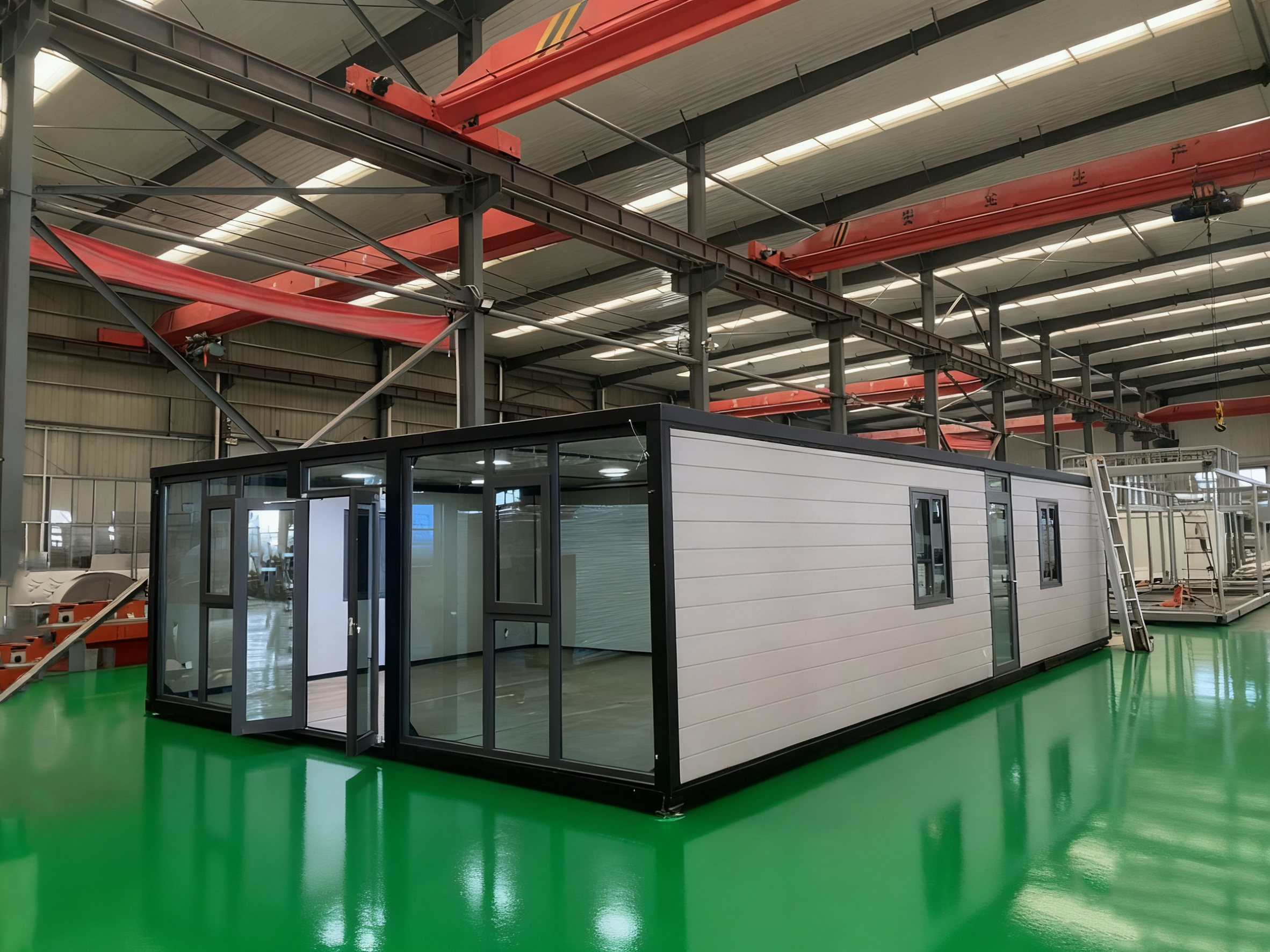
Where Expandable Container Houses Are Actually Used
In real-world projects, expandable container houses are widely used as:
-
Site accommodation for construction and infrastructure projects
-
Temporary offices for contractors and engineering teams
-
Worker housing that needs to be deployed fast
-
Resort units, cabins, or short-term rental accommodation
-
Secondary housing on private land
These buyers are not searching for architectural perfection.
They are searching for speed, control, and predictable cost.
And this is exactly where expandable container houses begin to show their value.
Why Factory-Produced Expandable Container Houses Make Sense
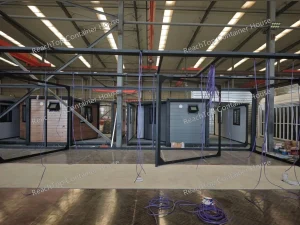
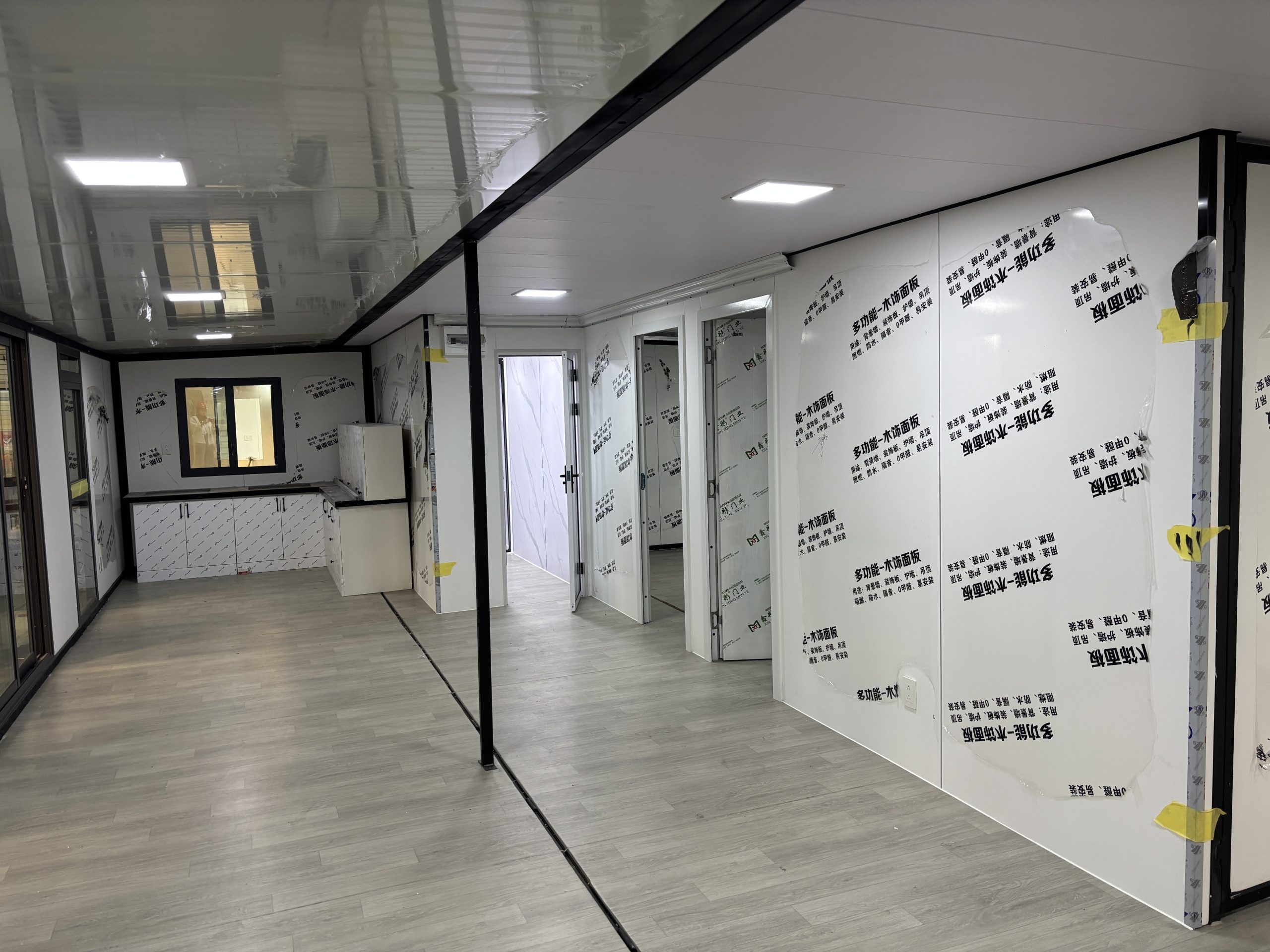
One of the biggest advantages of expandable container houses is that most of the complicated work is done in the factory.
Structural assembly, wall systems, insulation, wiring preparation, and interior layout are completed under controlled manufacturing conditions. This reduces on-site labor risks and avoids the delays commonly seen in traditional construction.
From a logistics perspective, expandable container houses are also highly efficient.
Multiple units can be loaded into a single 40HQ container, making international shipping cost easier to calculate and manage.
For overseas buyers, this predictability is often more important than absolute price.
Installation: Simple, Fast, and Practical
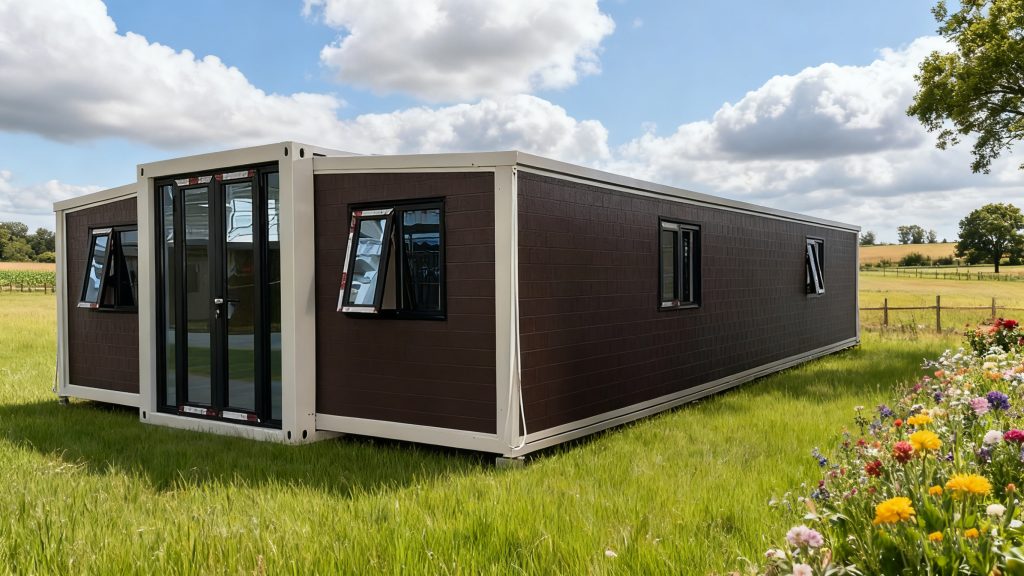
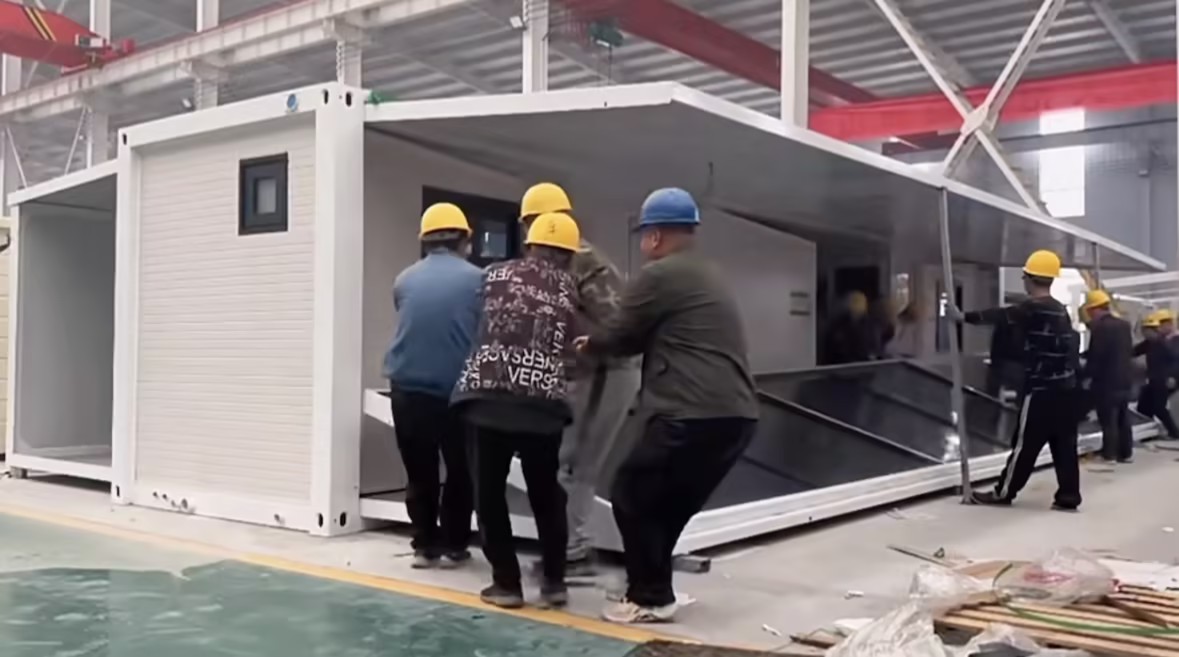
Expandable container houses are designed to be deployed, not built.
On-site installation usually involves unfolding the structure, securing key connection points, and completing basic utility connections. There is no long construction cycle, no complex coordination, and no dependency on a large local workforce.
For project-based usage, this simplicity can save weeks — sometimes months — compared to conventional building methods.
The Most Important Part: Using Expandable Container Houses the Right Way
This is where experienced buyers make better decisions.
Expandable container houses perform best when they are treated as secondary housing or flexible infrastructure, not permanent residences.
They are ideal for:
-
Projects with a defined timeline
-
Locations where traditional construction is slow or expensive
-
Buyers who value flexibility and redeployment
When used in the right scenario, expandable container houses show their real advantages — not because they replace traditional buildings, but because they solve problems traditional buildings cannot.
Choosing the Right Expandable Container House Supplier
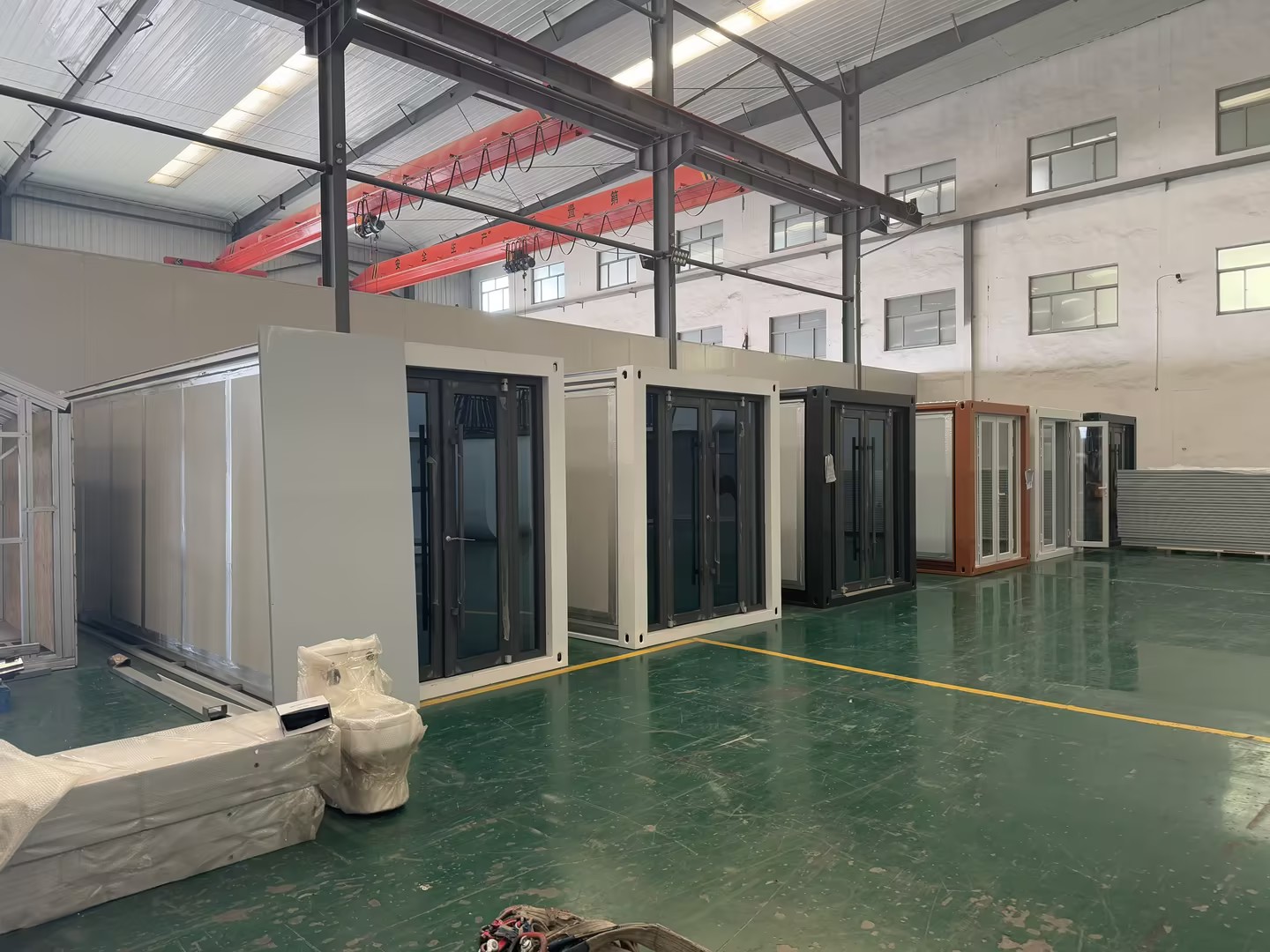
If you are sourcing expandable container houses internationally, working directly with a manufacturer matters.
A reliable supplier should be able to provide:
-
Clear structural specifications
-
Real factory production capacity
-
Loading plans and shipping support
-
Customization options based on project needs
Expandable container houses are not impulse purchases.
They are project decisions — and choosing the right manufacturing partner makes all the difference.